
Karthik Vaidyalingam Arumugam recently presented a thesis, ‘Effect of Process Parameters on Contour Properties in Inconel 718 Structures Fabricated by Electron Beam Melting’ to Linköping University, expanding further on additive manufacturing with metal.
The State of Metal 3D Printing
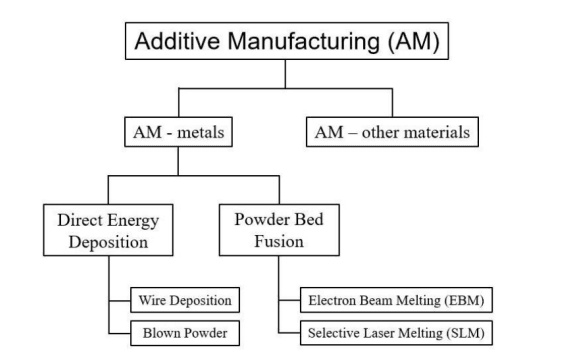
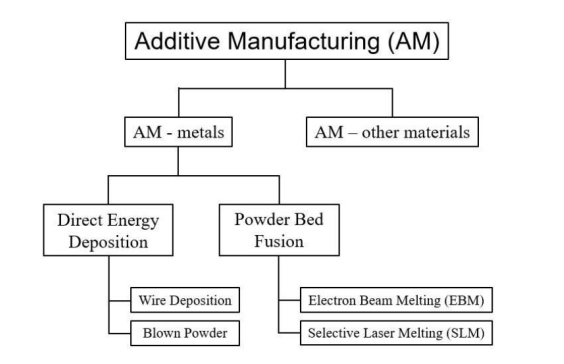
A broad classification of AM process in metals
Nickel alloy Inconel 718 was used to create samples for analysis, as researchers examined the effects of process parameters on contour properties in Inconel 718 (IN718) structures fabricated via EBM. Inconel 718 offers a higher Fe, Mo and Nb content with lower Ti and Al wt% than other Ni-based alloys, offering better strength, corrosion resistance, good weldability, and crack resistance.
Technical Challenges and Solutions
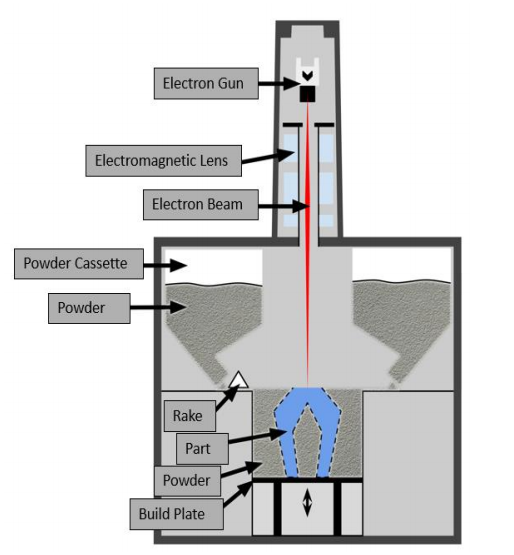
Parts of an EBM machine. Photograph by Sebastian Brandtberg, used with
permission
The EBM process encompasses a variety of build parameters that can be optimized regarding features like the following:
- Beam current
- Speed
- Focus offset
- Scan sequence
- Build temperature
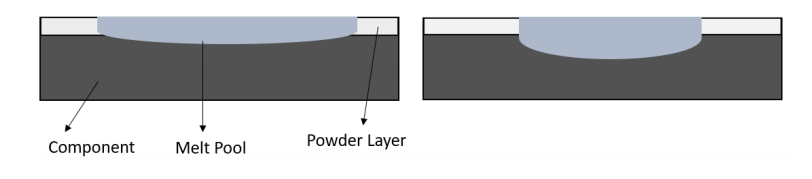
Variations allow for better control parameters like melt pool size, depth of powder melting, and more.
Material Properties and Performance
Effect of low focus (left) and high focus (right) on melt pool
Powder is critical to the quality of a part, beginning with characteristics like:
- Size distribution
- Chemical composition
- Morphology
- Flowability
- Density
“These characteristics result in a mixture of measures based on both theoretical and empirical-based methods,” stated the researchers. “It is essential for the powder to have good flowability, as it directly affects the density of the part. A large powder size density (PSD) will lead to poor flowability and a small PSD will lead to poor packing density.”
Industrial Applications and Use Cases
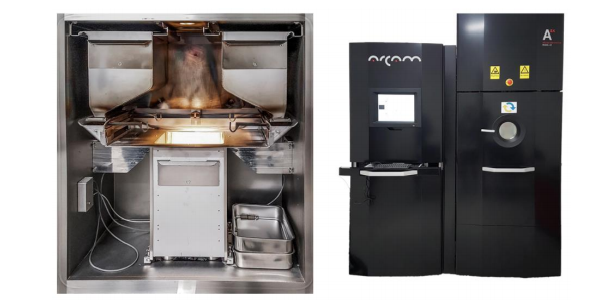
Arcam A2X EBM machine internal view (left) external view (right). Picture
credit Olov Johansson Berg
Samples for the study were 3D printed at University West on an Arcam A2X EBM machine. Three build parameters were varied during the project, including voltage, focus offset, and speed in printing.
Comparing Metal AM to Traditional Manufacturing
Nominal composition in wt% for Inconel 718 Element W
Thirty-four samples were created overall. Two samples were fabricated with standard parameters and 5mm thickness. The others were 3D printed using 16 different build parameters, with thicknesses varying from 3mm to 5mm. Samples were cut along the build direction, and at mid-width of the tensile bar at an offset of 1-2mm.
“A moderate cutting rate was utilized, and adequate coolant was provided to ensure the samples did not overheat and to maintain a straight cutting line,” explained the researchers.
Future Developments in Metal Additive Manufacturing
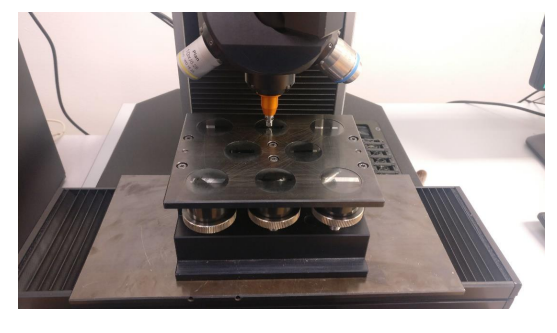
Hardness testing carried out as per testing standard ISO 6507
After hot mounting and grinding of any sharp edges, samples were polished and then hardness tests were performed, with microstructural investigation following.

The State of Metal 3D Printing
Average hardness measurements for various samples under HV1 (1Kg load)
testing condition
“The presence of large lack of fusions and surface defects may have significantly affected the hardness values in case of some samples. Placement of the hardness indents at locations near pores could have resulted in reading that were not exactly accurate. While a series of indents were made to determine the average hardness, it could still prove to be only near optimal readings and not exact. The possible effects of γ” in the microstructure cannot be determined by the experiments carried out in this thesis. This is due to the limitations of the scanning electron microscope,” concluded the researchers.
“Finally, the nature and formation of the grain sizes have been compared for various process parameter. The pictures of grain structure obtained from the light optical microscope for each sample may vary due to factors such as quality of surface finish, etching parameters such as voltage and duration and lastly the light optical microscope parameters. The magnification and quality of images could have affected the comparison and study of the grain structures during the project. While care was taken to avoid all sources of errors, it is not possible to completely remove them.
Researchers today are involved in a wide variety of projects involving electron beam melting processes (EBM) for use with materials like tungsten, in applications like orthopedics, and in relation to biocompatibility. What do you think of this news? Let us know your thoughts! Join the discussion of this and other 3D printing topics at 3DPrintBoard.com.
Technical Challenges and Solutions
[Source / Images: ‘Effect of Process Parameters on Contour Properties in Inconel 718 Structures Fabricated by Electron Beam Melting’]
The post Inconel 718 Structures in EBM 3D Printing: Effects of Process Parameters on Contour Properties appeared first on 3DPrint.com | The Voice of 3D Printing / Additive Manufacturing.
Frequently Asked Questions
What is metal 3D printing?
Metal 3D printing (additive manufacturing) builds metal parts layer by layer using techniques like laser powder bed fusion, directed energy deposition, and binder jetting. It enables complex geometries impossible with traditional manufacturing while reducing material waste significantly.
How strong are 3D printed metal parts?
3D printed metal parts can achieve mechanical properties comparable to traditionally manufactured metals. Tensile strength and fatigue resistance depend on the process and post-processing, but many meet or exceed ASTM standards for wrought materials.
What are the main metal 3D printing technologies?
The primary technologies include Laser Powder Bed Fusion (LPBF), Electron Beam Melting (EBM), Directed Energy Deposition (DED), Binder Jetting, and Metal FDM (with bound filaments). Each has different strengths in terms of resolution, speed, and material options.
📌 Related Articles
- The Current State of Metal 3D Printing in 2020
- 3D Printing Tungsten Carbide: How Hot-Wire Laser Technology Creates Metal Harder Than Steel
- Best 3D Printers Under $500: 2026 Comparison Guide
- Best 3D Printer Upgrades That Actually Improve Print Quality: Complete 2026 Guide
- ABS 3D Printing Settings Guide: Temperature, Enclosure, and Cooling for Strong Parts