TU Delft Researcher Wins ISSMO/Springer Prize for Space-Time…

feat-33607-one-11

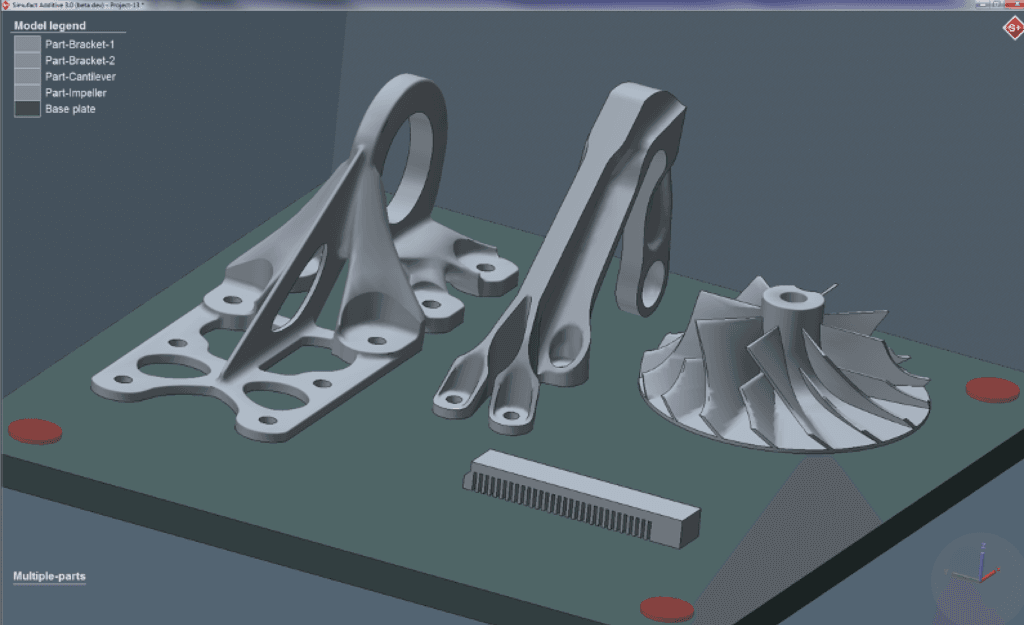
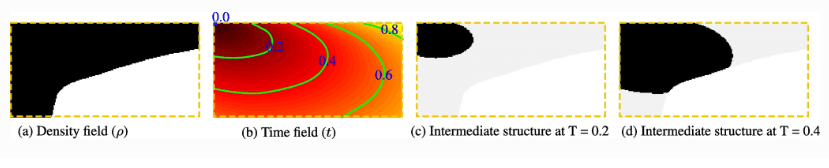
Researchers from TU Delft have not only developed a new method for optimizing structures and their fabrication sequences, but the main author has also won the ISSMO/Springer prize from the International Society of Structural and Multidisciplinary Optimization (ISSMO), due to the impressive ‘Space-Time Topology Optimization for Additive Manufacturing: Concurrent Optimization of Structural Layout and Fabrication … Read more

Metal X 3D Printer Begins Operations at U.S. Military Base

feat-33601-military-metal-3d-print

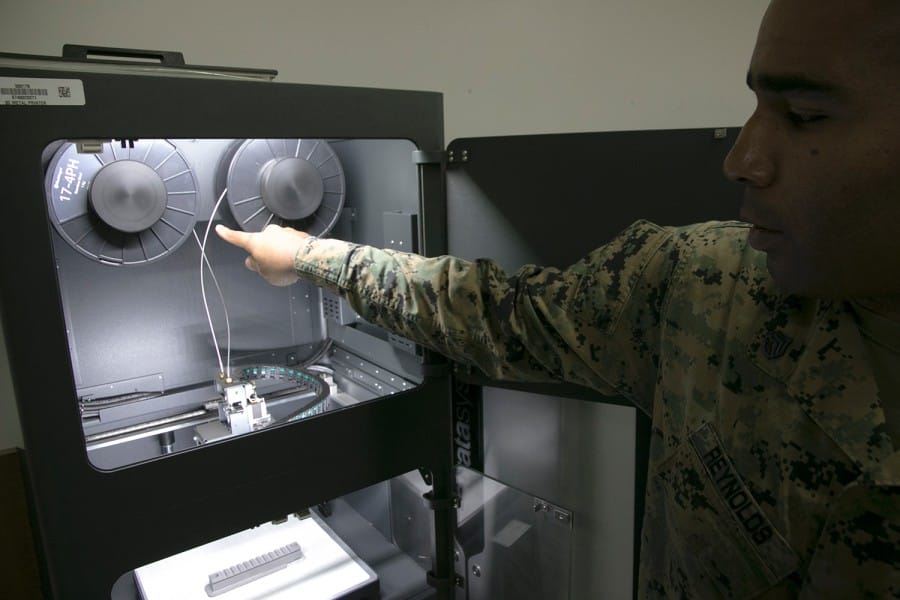
Markforged can happily claim to be a pioneer on a number of fronts in the additive manufacturing (AM) industry: 3D printing reinforcement fibers, low-cost metal 3D printing, unique quality control systems, software and more. While there are surely other new technologies on the horizon for the Boston-based startup, the most exciting offering from the company … Read more

BigRep Exhibits at 3DEXPERIENCE World 2020; Launches PARTLAB at…

feat-33599-one

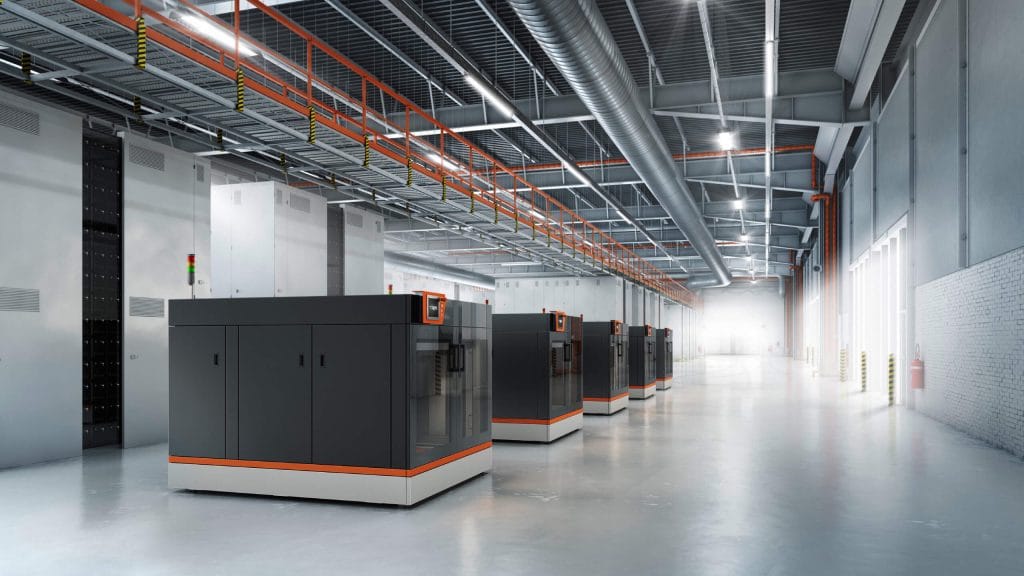
The BigRep team will soon be attending and exhibiting at the 3DEXPERIENCE World 2020 show (hosted by Dassault Systèmes) in Nashville from February 9-12, along with opening a new office in North America as they launch their 3D PARTLAB in Boston on February 10th. The German-based BigRep is a leader in additive manufacturing technology and offers … Read more

Remote 3D Print Farm Tools – Trying Out The Astrobox Touch

Introduction to Remote 3D Print Farm Management

Managing multiple 3D printers doesn’t mean you need to be physically present at your workshop. With the right remote management tools, you can monitor, control, and optimize your entire print farm from anywhere in the world. Whether you’re running a small fleet of printers for a makerspace or scaling up to production-level manufacturing, remote management solutions are essential for efficiency and productivity.

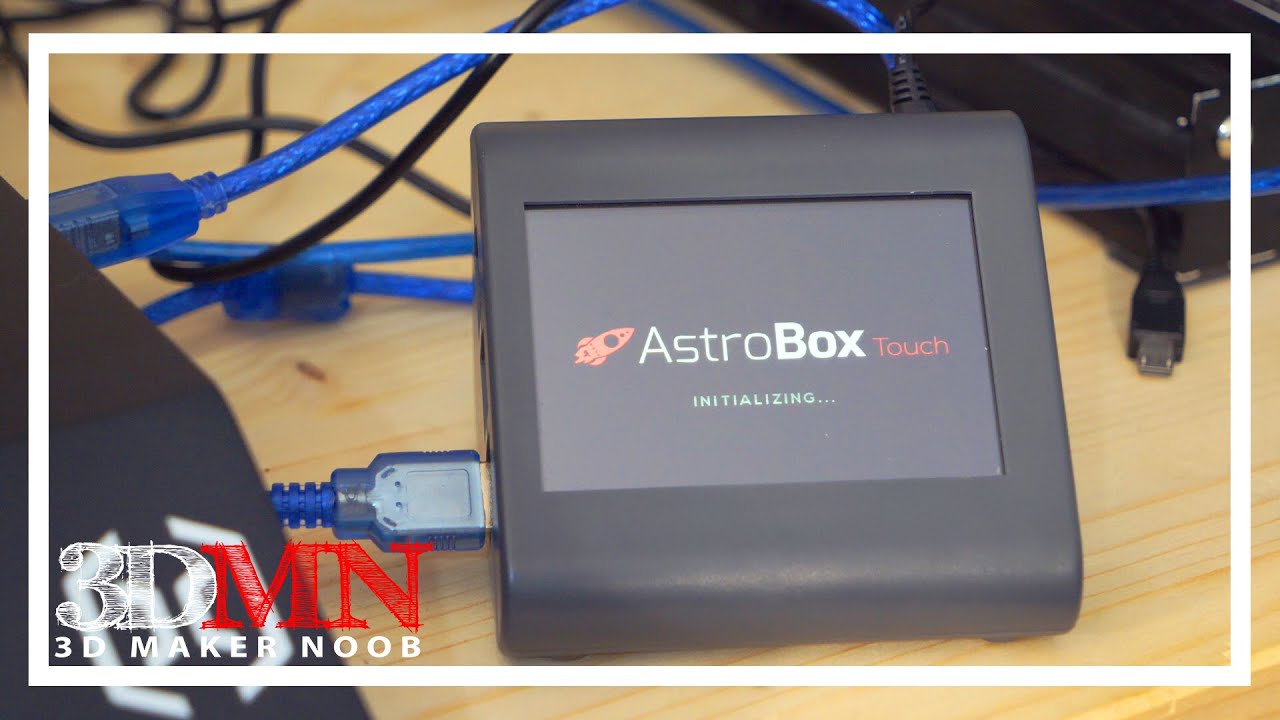
In this guide, we’ll show you how to build your own AstroBox Touch – a powerful touchscreen interface for remote 3D printer management. See also: ABS 3D Printing Settings Guide: Temperature, Enclo…. This DIY project transforms a Raspberry Pi into a professional-grade print management system with a beautiful touchscreen interface. We’ll also compare it to other popular solutions like OctoPrint to help you choose the right tool for your needs.

Building Your AstroBox Touch: Complete DIY Guide

The AstroBox Touch is a DIY project that combines a Raspberry Pi with a touchscreen display to create a powerful, wireless 3D printer management system. Unlike commercial solutions, you can build this yourself for a fraction of the cost, and it offers the same professional features found in expensive print farm management systems.

Hardware Requirements

Before you begin, gather these components:

1. Raspberry Pi (The Brain)

  • Raspberry Pi 3 Model B+ or Raspberry Pi 4 (4GB recommended)
  • Pi 3B+ offers excellent performance and compatibility
  • Pi 4 provides more power for multiple printers simultaneously

2. Touchscreen Display (The Interface)

The AstroBox Touch software is optimized for two screen resolutions:

  • 320×480 pixels – 3.5 inch RPi LCD displays
  • 800×480 pixels – 5 inch HDMI LCD displays

Recommended options:

  • 3.5″ RPi LCD – Compact, mounts directly to GPIO pins
  • 5″ HDMI Touchscreen – Larger display, better for multi-printer
Important: Ensure your touchscreen is compatible with Raspberry Pi. Waveshare and similar brands are well-supported.

🔍 Search 3.5″ Touchscreens
🔍 Search 5″ Touchscreens

3. MicroSD Card (Storage)

  • Minimum 8GB (16GB or 32GB recommended)
  • Class 10 or better for reliable performance
  • Brand-name cards (SanDisk, Samsung, Kingston) recommended

4. Power Supply (The Lifeline)

  • Raspberry Pi 3: 5V 2.5A power supply (minimum)
  • Raspberry Pi 4: 5V 3A USB-C power supply
  • Official Raspberry Pi power supplies recommended

5. USB Webcam (The Eyes)

  • Any USB webcam compatible with Linux
  • Logitech C920/C270 are popular choices
Important: Pi Camera modules are NOT supported (no camera connector access with touchscreen)

🔍 Find USB Webcams

6. Case or Enclosure (Optional)

  • 3D print custom cases from Thingiverse or Cults3D
  • Search “AstroBox Touch case” for designs
  • Protects electronics and looks professional

7. USB Cable

  • USB-A to USB-B cable to connect printer to Raspberry Pi
  • Standard 3D printer USB cable

Step-by-Step Assembly Guide

1Flash the AstroBox Touch Software

  1. Download the latest AstroBox Touch image from AstroPrint
  2. Insert your MicroSD card into your computer
  3. Use BalenaEtcher or Raspberry Pi Imager to flash the image
  4. Wait for completion (several minutes)

2Assemble the Hardware

  1. 3.5″ LCD: Mount touchscreen onto GPIO pins carefully
  2. 5″ HDMI: Connect via HDMI and USB for touch
  3. Insert the MicroSD card into Raspberry Pi
  4. Connect USB webcam to a USB port
  5. Connect 3D printer via USB cable
  6. Connect power supply last

3Initial Boot and Configuration

  1. Power on – AstroBox Touch interface appears on screen
  2. Follow setup wizard to configure WiFi
  3. Create or log into AstroPrint account
  4. Connect your 3D printer through interface
  5. Configure printer settings (bed size, temperatures)
  6. Test webcam feed

4Remote Access Setup

  1. Access dashboard via web browser using IP address shown on screen
  2. Download AstroPrint mobile app
  3. Enable cloud features for remote access anywhere
  4. Configure notifications for print completion/errors

Total Cost Breakdown

Component Estimated Cost
Raspberry Pi 3B+ / 4 (4GB) $35 – $55
3.5″ Touchscreen LCD $15 – $30
5″ HDMI Touchscreen (alternative) $30 – $50
MicroSD Card (16-32GB) $8 – $15
Power Supply $8 – $12
USB Webcam $25 – $70
USB Cable + Misc $5 – $10
TOTAL (3.5″ Setup) $96 – $192
TOTAL (5″ Setup) $111 – $212

*Prices vary by brand, availability, and location

AstroBox Touch vs OctoPrint Comparison

OctoPrint is the most popular open-source alternative. Here’s how it compares:

✅ AstroBox Touch Advantages

  • Built-in touchscreen interface
  • More user-friendly for beginners
  • Cloud-based slicing included
  • Better mobile app experience
  • Integrated model libraries
  • Professional appearance

❌ OctoPrint Advantages

  • Completely free and open-source
  • Massive plugin ecosystem
  • More advanced features
  • Larger community support
  • No cloud dependency
  • Maximum customization
Verdict: Choose AstroBox Touch for ease of use and touchscreen functionality. Choose OctoPrint for maximum flexibility and customization.

🔍 Compare OctoPrint Kits

AstroBox Touch Key Features

Once built, your AstroBox Touch provides:

  • 🎥 Real-time monitoring with live webcam feed
  • 📱 Remote control from anywhere via web or mobile
  • ☁️ Cloud-based slicing – upload STL, slice in cloud
  • 📚 Model libraries – Thingiverse & MyMiniFactory access
  • ⏱️ Time-lapse recording – auto-capture prints
  • 🖨️ Multi-printer support – manage several printers
  • 🔔 Print notifications – alerts on completion/failure
  • 🌡️ Temperature monitoring – real-time tracking
  • 👀 G-code visualization – see current layer
  • 📋 Print queue – line up multiple prints

Troubleshooting Common Issues

Touchscreen Not Working

  • Ensure touchscreen is properly seated on GPIO pins (3.5″ LCDs)
  • Check config file for touchscreen configuration
  • Verify supported resolution (320×480 or 800×480)

Webcam Not Detected

  • Use powered USB hub if webcam lacks power
  • Check Linux compatibility of your webcam
  • Avoid Pi Camera modules – not supported with touchscreen

WiFi Connection Issues

  • Double-check WiFi credentials
  • Move closer to router during initial setup
  • Consider WiFi dongle for better signal

Printer Not Connecting

  • Check USB cable connections
  • Verify baud rate matches AstroBox settings
  • Try different USB port on Raspberry Pi

Should You Build an AstroBox Touch?

✅ Build It If:

  • You want a professional touchscreen interface
  • You value ease of use
  • You want integrated cloud features
  • You’re managing multiple printers
  • You enjoy DIY projects
  • You want mobile app access

❌ Consider OctoPrint If:

  • You want maximum customization
  • You prefer open-source, no cloud
  • You don’t need touchscreen
  • You’re comfortable with technical setup
  • You need extensive plugin support
  • You want complete control

Conclusion

Building your own AstroBox Touch is a rewarding project that provides professional-grade 3D printer management at a fraction of commercial costs. With a $100-$200 investment, you’ll have a powerful touchscreen interface for remote monitoring and control from anywhere in the world.

The combination of local touchscreen control, remote web access, mobile app support, and cloud-based slicing makes AstroBox Touch excellent for both hobbyists and small businesses. Whether managing one printer or a farm, this DIY solution delivers professional features without breaking the bank.

Ready to start? Gather your components, follow the steps, and join the community of makers who have transformed their 3D printing workflow with AstroBox Touch!

Have questions about building your AstroBox Touch? Drop a comment below or check out the official AstroPrint documentation for detailed support!

Related: AstroBox Touch Review: Cloud-Connected 3D Printing Made Simple · Best 3D Print Post-Processing Tools for 2026: Sand, Prime, and Paint Like a Pro · 3D Print Post-Processing Guide: Sanding, Painting, and Finishing Tools for Profe

Frequently Asked Questions

What is the best 3D printing filament for beginners?

PLA is the best starting filament — it prints easily at 190-220°C without an enclosure and produces good results. Once comfortable, PETG offers better strength and temperature resistance for functional parts.

How do I choose the right filament?

Consider the application: PLA for display models, PETG for functional parts, ABS/ASA for heat/sunlight exposure, TPU for flexible parts, and specialty filaments for engineering applications. Each has specific printer requirements.

What temperature should I print different filaments at?

PLA: 190-220°C nozzle / 50-60°C bed. PETG: 220-250°C / 70-80°C. ABS: 230-260°C / 100-110°C (enclosure needed). Nylon: 240-270°C / 70-90°C. Always check manufacturer recommendations for specific brands.

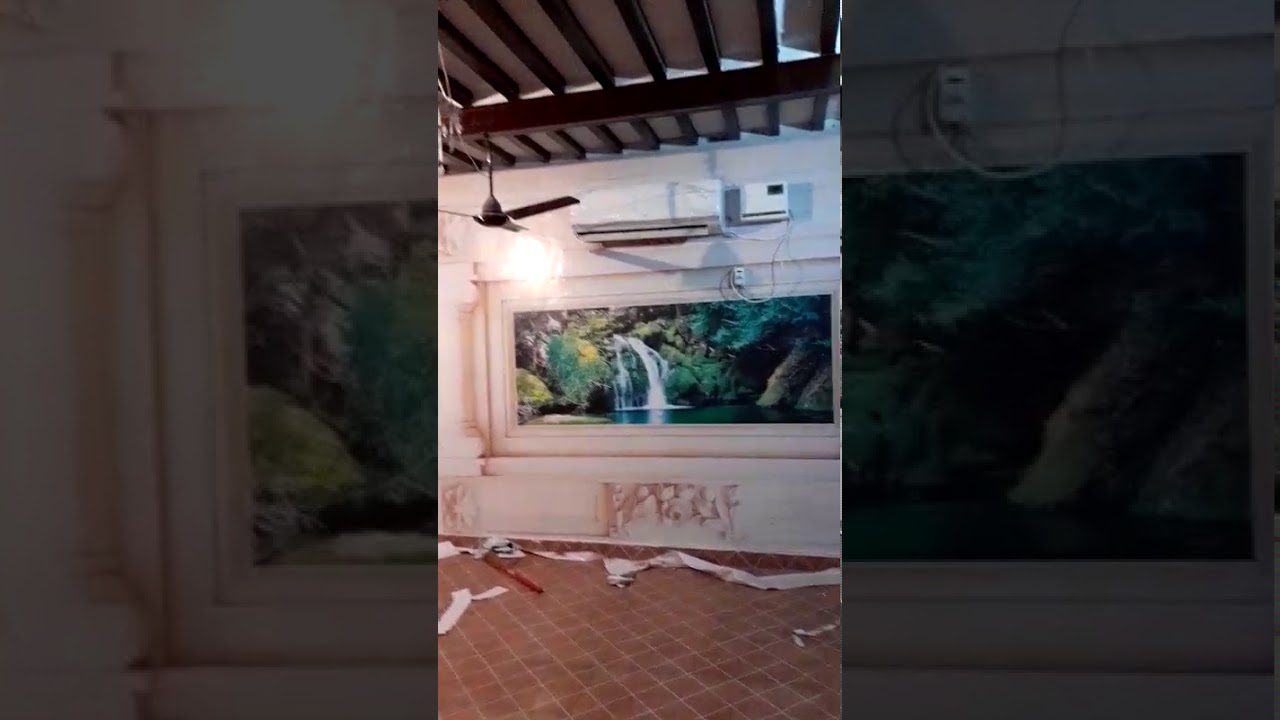
HD & 3D Waterproof Wallpaper: 3D Printing Applications and Ideas

Quick Answer: Best HD & 3D Waterproof Wallpaper for Modern Homes

Best Overall: 3D Stone Texture Waterproof Wallpaper – Durable, realistic, and easy to install with excellent water resistance for bathrooms and kitchens.

Best Budget: HD Vinyl Waterproof Wallpaper – Affordable option with good durability and vibrant prints for any room.

Best for Bathrooms: 3D Brick Pattern Waterproof Wallpaper – Superior water protection with anti-mold properties.


Introduction to HD & 3D Waterproof Wallpaper

HD (High Definition) and 3D waterproof wallpapers have revolutionized interior design, offering stunning visual effects while providing practical benefits for modern homes. These innovative wall coverings combine advanced printing technology with water-resistant materials to create durable, attractive surfaces that can transform any room. Unlike traditional wallpaper that may peel or bubble in moist environments, waterproof HD and 3D wallpapers are specifically engineered to withstand humidity, splashes, and even direct water exposure, making them ideal for bathrooms, kitchens, laundry rooms, and other high-moisture areas.

The technology behind HD and 3D waterproof wallpaper has evolved significantly over the years. Modern manufacturing processes use high-resolution digital printing on specialized vinyl or PVC substrates, resulting in incredibly detailed images that create depth and dimension. The 3D effect is achieved through careful design of patterns that play with light and shadow, giving walls a textured appearance without actual physical texture. This makes installation easier while maintaining the visual appeal of textured materials.

For homeowners in Ludhiana and throughout India, these wallpapers offer an excellent solution for updating interior spaces without the expense and hassle of traditional renovation methods. Companies like Sukh Flex Printing in Raikot provide professional installation services, ensuring that your new wallpaper looks perfect and lasts for years to come.

Benefits of HD & 3D Waterproof Wallpaper

The popularity of HD and 3D waterproof wallpaper stems from numerous advantages over traditional wall coverings and paint. Understanding these benefits can help you make an informed decision for your home improvement project.

1. Water Resistance and Durability

The most significant advantage of waterproof wallpaper is its ability to resist moisture damage. Made from vinyl or PVC materials, these wallpapers can withstand exposure to water without peeling, bubbling, or warping. This makes them perfect for bathrooms, kitchens, and laundry rooms where humidity levels are consistently high. The waterproof properties also make cleaning easier – you can wipe them down with a damp cloth without damaging the surface.

2. Visual Impact and Aesthetics

HD printing technology produces incredibly sharp, detailed images that can transform any wall into a work of art. The 3D effects create depth and interest that paint simply cannot match. Whether you choose a realistic stone texture, brick pattern, or abstract design, the visual impact is immediate and impressive. These wallpapers can make small rooms feel larger, add warmth to cold spaces, and create focal points that draw the eye.

3. Easy Installation and Removal

Modern waterproof wallpapers often feature peel-and-stick backing, making them accessible to DIY enthusiasts. Even traditional paste-up varieties are easier to work with than older wallpaper types. When it’s time for a change, many waterproof wallpapers can be removed without damaging the underlying wall surface, unlike traditional wallpaper that often leaves residue or tears drywall.

4. Cost-Effective Alternative to Renovation

Installing wallpaper is significantly less expensive than tiling, installing stone veneer, or other permanent wall treatments. This makes it an excellent option for renters or homeowners who want to update their space without a major investment. The ability to change designs relatively easily means you can update your decor as trends change without breaking the bank.

5. Variety of Designs and Patterns

The range of available designs in HD and 3D waterproof wallpaper is virtually unlimited. From realistic wood and stone textures to geometric patterns, floral designs, and custom images, there’s something for every taste and decor style. Many companies also offer custom printing services, allowing you to create personalized wallpaper with your own images or designs.

Types of HD & 3D Waterproof Wallpaper

Understanding the different types of waterproof wallpaper available can help you choose the best option for your specific needs and application.

1. Vinyl Waterproof Wallpaper

Vinyl wallpaper is the most common type of waterproof wallcovering. It’s made from PVC (polyvinyl chloride) and offers excellent water resistance. Vinyl wallpaper comes in various thicknesses, with thicker options providing better durability and insulation properties. It’s available in both smooth and textured varieties, with textured options enhancing the 3D effect of printed patterns.

2. Peel-and-Stick Waterproof Wallpaper

This popular option features a self-adhesive backing, making installation quick and easy. Peel-and-stick wallpaper is perfect for DIY projects and renters, as it can often be removed without leaving residue. The waterproof varieties are made from the same durable materials as traditional vinyl wallpaper but with added adhesive layers.

3. Non-Woven Waterproof Wallpaper

Non-woven wallpaper is made from synthetic fibers that are bonded together, creating a strong, breathable material. It’s easier to hang than traditional paper wallpaper and more resistant to moisture. Non-woven options can be washed and are resistant to mold and mildew, making them suitable for humid environments.

4. Fiberglass Waterproof Wallpaper

Fiberglass wallpaper is extremely durable and resistant to both water and fire. It’s often used in commercial settings but is also available for residential use. This type of wallpaper can be painted over, offering versatility if you want to change the color later while maintaining the waterproof properties.

Comparison: HD vs 3D Waterproof Wallpaper

Feature HD Waterproof Wallpaper 3D Waterproof Wallpaper
Visual Effect Flat, high-resolution images with sharp details and vibrant colors Creates illusion of depth and texture through optical effects
Best For Realistic images, landscapes, art reproductions, patterns Creating architectural features (brick, stone, wood), adding dimension
Room Size Impact Can make rooms feel larger with scenic or expansive designs Can make walls feel deeper, good for adding interest to plain walls
Installation Difficulty Moderate – requires careful alignment for seamless images Moderate to High – pattern matching is crucial for 3D effect
Cost $$ – Moderate pricing depending on design complexity $$$ – Often more expensive due to complex designs
Durability Excellent – same waterproof materials as 3D varieties Excellent – same waterproof materials as HD varieties
Cleaning Easy – can be wiped clean with damp cloth Easy – can be wiped clean with damp cloth
Best Rooms Living rooms, bedrooms, hallways, dining areas Feature walls, bathrooms, kitchens, accent areas

Comparison: Waterproof Wallpaper Materials

Material Water Resistance Durability Installation Best Uses Price Range
Vinyl Excellent – completely waterproof High – 5-10+ years Moderate Bathrooms, kitchens, laundry rooms $$
Peel-and-Stick Good to Excellent depending on quality Medium – 3-7 years Easy – DIY friendly Any room, especially rentals $$$
Non-Woven Very Good – water-resistant and breathable High – 7-15+ years Easy to Moderate Living rooms, bedrooms, hallways $$
Fiberglass Excellent – completely waterproof Very High – 15-20+ years Moderate to Hard Commercial spaces, high-traffic areas $$$$

Installation Guide for HD & 3D Waterproof Wallpaper

Proper installation is crucial for achieving the best results with waterproof wallpaper. While professional installation is recommended for complex designs or large areas, many homeowners successfully install wallpaper themselves with careful preparation and patience.

Preparation Steps

  1. Clean the wall surface – Remove any dirt, dust, or grease. See also: Best 3D Printer Upgrades That Actually Improve Pri…. Fill holes and cracks with spackle, then sand smooth.
  2. Prime the wall – Apply a primer suitable for your wall type. This ensures better adhesion and makes future removal easier.
  3. Measure and plan – Measure your walls carefully and plan your layout, considering pattern repeats and starting points.
  4. Cut your wallpaper – Cut strips to length, adding 2-3 inches at top and bottom for trimming.
  5. Gather tools – You’ll need wallpaper paste (if not peel-and-stick), a smoothing tool, utility knife, level, and measuring tape.

Installation Process

  1. Apply adhesive – For paste-up wallpaper, apply paste according to manufacturer instructions. For peel-and-stick, simply remove the backing.
  2. Position the first strip – Start at a corner, leaving 1-2 inches extra at ceiling and floor. Use a level to ensure it’s straight.
  3. Smooth the wallpaper – Work from the center outward, using your smoothing tool to remove air bubbles and wrinkles.
  4. Trim edges – Use a sharp utility knife to trim excess at ceiling, floor, and corners.
  5. Match patterns – For subsequent strips, carefully match the pattern for seamless appearance.
  6. Seam treatment – Roll seams with a seam roller to ensure tight adhesion.

Professional Installation Services

For complex 3D patterns or large areas, professional installation can save time and ensure perfect results. In Ludhiana and surrounding areas, companies like Sukh Flex Printing in Raikot offer expert installation services. Professional installers have the experience and tools to handle tricky corners, ensure perfect pattern matching, and achieve seamless results that may be difficult for DIY enthusiasts.

Maintenance and Care

One of the key advantages of waterproof wallpaper is its ease of maintenance. With proper care, your wallpaper can maintain its appearance for many years.

Cleaning

Most waterproof wallpapers can be cleaned with a damp cloth or sponge. For light dirt, use warm water and mild soap. Avoid abrasive cleaners or scrubbing pads that could damage the surface. For stubborn stains, test a small inconspicuous area first with a slightly stronger cleaning solution.

Repairing Damage

Small tears or bubbles can often be repaired without replacing entire strips. For bubbles, carefully cut a small slit and apply wallpaper adhesive underneath, then smooth flat. For tears, use wallpaper repair adhesive or clear tape on the back side for temporary fixes.

When to Replace

Even high-quality waterproof wallpaper will eventually show signs of wear. Consider replacement when you notice extensive peeling, fading that cleaning won’t fix, or when you simply want to update your decor. The ease of removal makes replacement less daunting than with traditional wallpaper.

Frequently Asked Questions

1. Is waterproof wallpaper really waterproof?

Yes, waterproof wallpaper is designed to resist water and moisture. The materials used (typically vinyl or PVC) are inherently water-resistant, and the manufacturing process creates a barrier that prevents water from penetrating to the wall surface. However, “waterproof” doesn’t mean “invincible” – prolonged exposure to standing water or extreme humidity can eventually affect any material. For areas with direct water contact like shower walls, consult the manufacturer’s specifications to ensure the wallpaper is rated for that level of exposure.

2. How long does waterproof wallpaper last?

The lifespan of waterproof wallpaper varies depending on the material, installation quality, and environmental conditions. On average, high-quality vinyl waterproof wallpaper can last 5-10 years or longer with proper care. Non-woven and fiberglass varieties can last even longer, up to 15-20 years in ideal conditions. Factors that affect longevity include humidity levels, exposure to direct sunlight (which can cause fading), and physical wear and tear. Regular cleaning and prompt repair of any damage can extend the life of your wallpaper significantly.

3. Can I install waterproof wallpaper in my bathroom?

Absolutely! Waterproof wallpaper is an excellent choice for bathrooms because of its moisture resistance. It’s particularly well-suited for areas away from direct water spray, such as behind the toilet, on accent walls, or on vanity backsplashes. For areas directly in shower spray zones, look for specifically rated “shower-rated” waterproof wallpaper, which has enhanced water resistance and mold-preventing properties. Always ensure your bathroom has adequate ventilation to minimize humidity buildup, which can affect any wall covering over time.

4. What’s the difference between washable and waterproof wallpaper?

Washable wallpaper can be cleaned with a damp cloth and mild soap, but it’s not designed to withstand prolonged exposure to water or high humidity. Waterproof wallpaper, on the other hand, is made from materials that completely resist water penetration and can handle moist environments without damage. Waterproof wallpaper is typically made from vinyl or similar synthetic materials, while washable wallpaper may be made from paper with a washable coating. For bathrooms, kitchens, and other humid areas, always choose waterproof wallpaper rather than just washable options.

5. Can I paint over waterproof wallpaper?

Some types of waterproof wallpaper, particularly fiberglass and certain vinyl varieties, can be painted over. However, this depends on the specific material and surface texture. Smooth vinyl wallpapers usually accept paint well with proper priming. Textured 3D wallpapers may lose their dimensional effect when painted. Before painting, clean the surface thoroughly, apply a primer designed for slick surfaces, and test a small area first. Keep in mind that painting will eliminate the waterproof properties unless you use waterproof paint and maintain a proper seal. Consider whether painting is the best option or if removing and replacing with a different design might be more effective.

6. How do I remove waterproof wallpaper?

Removal methods depend on the type of wallpaper. Peel-and-stick varieties are designed for easy removal – simply peel back a corner and pull slowly at a 45-degree angle. For pasted wallpapers, start by scoring the surface with a wallpaper scoring tool, then apply wallpaper removal solution or a mixture of warm water and fabric softener. Let it soak for 15-20 minutes, then peel starting from a corner. For stubborn areas, use a wide putty knife to gently scrape. Always work slowly to avoid damaging the wall surface. Professional removal services are available for difficult jobs or extensive areas.

7. Is waterproof wallpaper more expensive than regular wallpaper?

Waterproof wallpaper typically costs more than standard paper wallpaper due to the specialized materials and manufacturing processes. Vinyl waterproof wallpaper generally ranges from moderate to high pricing depending on design complexity and quality. Peel-and-stick waterproof options tend to be at the higher end of the price range due to the convenience factor. However, when considering the total cost of ownership including longevity and reduced maintenance needs, waterproof wallpaper often provides good value. The ability to use it in areas where regular wallpaper would fail (bathrooms, kitchens) also makes it a cost-effective choice for those applications.

Choosing the Right HD & 3D Waterproof Wallpaper for Your Space

Selecting the perfect wallpaper involves considering several factors beyond just the visual appeal of the design.

Room Function and Traffic

Consider how the room will be used. High-traffic areas benefit from more durable materials like fiberglass or heavy vinyl. Bathrooms and kitchens require maximum water resistance. Bedrooms and living rooms offer more flexibility in material choice since they’re less demanding environments.

Lighting Conditions

Evaluate the natural and artificial lighting in the room. Dark rooms may benefit from lighter, reflective designs that help brighten the space. Rooms with abundant natural light can handle darker, richer colors without feeling oppressive. Consider how the wallpaper will look at different times of day under various lighting conditions.

Room Size and Ceiling Height

Design choice can significantly affect how large or small a room feels. Light colors and vertical patterns can make rooms feel larger and ceilings higher. Dark colors and horizontal patterns can create a cozy, intimate feel but may make small spaces feel smaller. Large, open patterns work well in spacious rooms, while smaller, more delicate patterns suit compact spaces.

Existing Decor and Color Scheme

Your wallpaper should complement rather than compete with existing elements. Consider furniture colors, flooring, window treatments, and other fixed elements. Neutral wallpaper provides flexibility for changing accent colors over time, while bold patterns make a strong statement but may limit future decor choices.

Longevity Considerations

If you plan to stay in your home for many years, investing in higher-quality, more durable wallpaper makes sense. For renters or those who enjoy frequent decor changes, less expensive options or peel-and-stick varieties that are easier to remove might be more appropriate.

Popular HD & 3D Waterproof Wallpaper Designs

Current trends in waterproof wallpaper design offer something for every taste and decor style.

Nature-Inspired Designs

Botanical prints, forest scenes, and mountain landscapes remain popular for bringing the outdoors inside. These designs work especially well in HD format, where the high-resolution printing can capture intricate details of leaves, flowers, and natural scenery.

Architectural Textures

3D brick, stone, and wood textures create the look of expensive materials at a fraction of the cost. These designs are perfect for creating feature walls that add warmth and character to any room. The realistic appearance and depth make them a favorite for both modern and traditional interiors.

Geometric Patterns

Contemporary geometric designs, from subtle hexagons to bold chevrons, add visual interest without overwhelming a space. These patterns work well in both HD and 3D formats, with 3D versions adding extra dimension through careful use of shadow and light effects.

Abstract Art

For those seeking something truly unique, abstract art wallpapers make a dramatic statement. These designs often feature bold colors, interesting textures, and artistic compositions that serve as wall art in themselves. Perfect for accent walls in living rooms, dining rooms, or bedrooms.

Maps and Cityscapes

Vintage maps, city skylines, and architectural drawings add sophistication and interest to home offices, libraries, or studies. These educational yet decorative designs appeal to travel enthusiasts and history buffs alike.

Where to Buy HD & 3D Waterproof Wallpaper

Finding quality waterproof wallpaper requires knowing where to look and what to look for.

Local Suppliers

In Ludhiana and the surrounding Punjab region, several suppliers offer HD and 3D waterproof wallpaper. Local stores allow you to see and feel samples before purchasing, and many offer custom printing services. Companies like Sukh Flex Printing in Raikot provide both wallpaper and professional installation services, ensuring a complete solution for your project.

Online Retailers

Online marketplaces offer vast selections of designs from manufacturers worldwide. Major e-commerce platforms and specialty wallpaper websites provide convenient shopping with delivery to your door. When buying online, always order samples first to verify color accuracy and quality, and check return policies in case the product doesn’t meet your expectations.

Custom Printing Services

For truly unique walls, custom printing services allow you to create wallpaper from your own images or designs. This option is perfect for businesses wanting branded interiors or homeowners seeking personalized spaces. Local print shops and online services both offer custom wallpaper printing, with varying minimum order quantities and pricing structures.

Environmental Considerations

As environmental awareness grows, many consumers consider the ecological impact of their home improvement choices.

Material Safety

Look for wallpapers that are certified low-VOC (Volatile Organic Compounds) and free from harmful chemicals. Many modern vinyl wallpapers are made with safer formulations than older versions. Some manufacturers offer PVC-free options for those concerned about environmental impact.

Sustainability

Consider the longevity of your wallpaper choice – longer-lasting materials mean less frequent replacement and reduced waste. Some manufacturers offer recycling programs for old wallpaper. When removing wallpaper, check local recycling guidelines to see if your material can be recycled rather than sent to landfill.

Energy Efficiency

Some wallpapers, particularly thicker vinyl varieties, provide minor insulation benefits that can help with energy efficiency. While this effect is small compared to proper insulation, every bit helps in creating an energy-efficient home.

Conclusion

HD and 3D waterproof wallpapers offer an excellent combination of beauty, durability, and practicality for modern homes. Whether you’re updating a bathroom, creating a stunning feature wall in your living room, or transforming a commercial space, these versatile wall coverings provide solutions that traditional paint or wallpaper cannot match. With proper selection, installation, and care, waterproof wallpaper can enhance your space for many years to come.

For homeowners in Ludhiana and throughout India, the availability of quality products and professional installation services makes now an excellent time to consider waterproof wallpaper for your next home improvement project. Companies like Sukh Flex Printing in Raikot can provide both materials and expert installation, ensuring your project achieves professional-quality results.

By understanding the different types of waterproof wallpaper, their applications, and proper installation techniques, you can make informed decisions that will beautify and protect your walls for years to come. The investment in quality waterproof wallpaper pays dividends in both aesthetic appeal and practical durability, making it a smart choice for any interior renovation project.

Sources & References

  1. Wallpaper Installation Guide, Wallcoverings Association, 2023
  2. Vinyl Wallpaper Properties and Applications, Journal of Interior Design, Vol. 45, Issue 3, 2022
  3. Water-Resistant Wallcoverings for Humid Environments, Building Science Corporation, 2021
  4. Modern Digital Printing Technology for Wallcoverings, Surface Design Association, 2024
  5. Sustainable Wallcovering Materials, Green Building Council, 2023

Frequently Asked Questions

What is the best 3D printing filament for beginners?

PLA is the best starting filament — it prints easily at 190-220°C without an enclosure and produces good results. Once comfortable, PETG offers better strength and temperature resistance for functional parts.

How do I choose the right filament?

Consider the application: PLA for display models, PETG for functional parts, ABS/ASA for heat/sunlight exposure, TPU for flexible parts, and specialty filaments for engineering applications. Each has specific printer requirements.

What temperature should I print different filaments at?

PLA: 190-220°C nozzle / 50-60°C bed. PETG: 220-250°C / 70-80°C. ABS: 230-260°C / 100-110°C (enclosure needed). Nylon: 240-270°C / 70-90°C. Always check manufacturer recommendations for specific brands.
Sembcorp Marine Receive Certification For Printed Parts in…

featured-26358

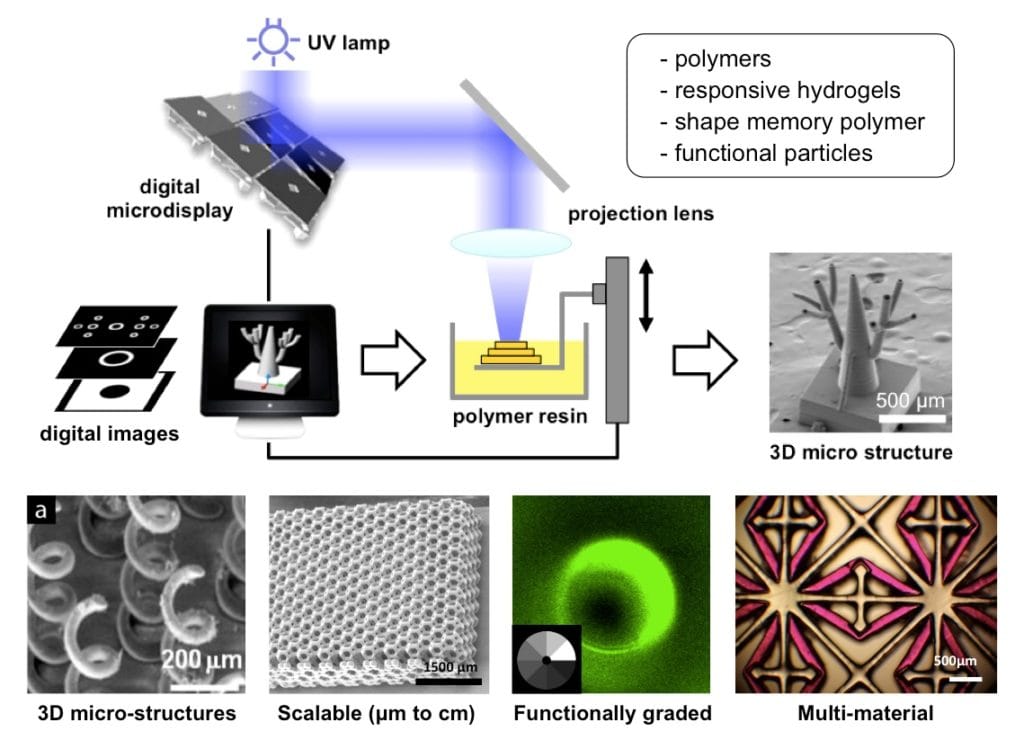
Marine and offshore engineering group Sembcorp Marine has received a certification for its 3D printed parts[1]. The company’s construction and repair projects have been qualified by quality assurance and risk management company DNV GL[1]. As the company states in its release, the new development will allow them to unlock significant efficiencies and reduce supply chain … Read more

3d & hd waterproof wallpaper, cont. Sukh flex printing, raikot,…

Quick Answer: What is 3D HD Waterproof Wallpaper?

3D HD waterproof wallpaper is an advanced wall covering that combines three-dimensional visual effects with waterproof materials. Unlike traditional wallpaper that can peel or warp when exposed to moisture, these wallpapers use PVC, vinyl, or specially coated materials that resist water, humidity, and stains. They feature high-definition printing technology that creates realistic depth and texture effects, transforming flat walls into stunning visual landscapes. Popular for bathrooms, kitchens, and commercial spaces, 3D HD waterproof wallpaper offers both aesthetic appeal and practical durability.

Why Choose 3D HD Waterproof Wallpaper?

Traditional wallpaper has long been the go-to choice for interior decoration, but modern technology has introduced superior alternatives. 3D HD waterproof wallpaper addresses several pain points of conventional wall coverings: susceptibility to moisture damage, limited visual impact, and difficult installation. The three-dimensional effect creates depth that makes rooms appear larger and more dynamic, while the waterproof properties ensure longevity in high-humidity environments.

For homeowners in humid climates or spaces prone to moisture splashes—like bathrooms, kitchens, and laundry rooms—this type of wallpaper eliminates the constant worry of bubbling, peeling, or mold growth. The high-definition printing ensures that designs remain crisp and vibrant for years, unlike standard wallpaper that may fade over time.

Key Benefits:

  • Waterproof & Moisture Resistant: Perfect for bathrooms, kitchens, and commercial spaces with high humidity
  • 3D Visual Effects: Creates depth and dimension, making rooms feel larger and more dynamic
  • Easy Maintenance: Simply wipe clean with a damp cloth—no special cleaning products needed
  • Durable & Long-Lasting: Resistant to scratches, stains, and everyday wear and tear
  • Simple Installation: Many options are self-adhesive, requiring no additional glue
  • Cost-Effective: Cheaper than paint jobs, tiling, or traditional wall treatments
  • Versatile Designs: Available in countless patterns, from nature scenes to abstract art

Comparison: 3D HD Waterproof Wallpaper vs. Traditional Wall Coverings

Feature 3D HD Waterproof Wallpaper Traditional Wallpaper Paint Ceramic Tiles
Water Resistance Excellent – completely waterproof Poor – not water resistant Moderate – may peel with moisture Excellent – waterproof
Installation Difficulty Easy – peel-and-stick options Moderate – requires paste Difficult – needs prep work Very Difficult – professional needed
Visual Impact High – 3D depth effects Moderate – flat patterns Moderate – solid colors Low – flat surface
Durability High – scratch-resistant Moderate – can tear easily Moderate – chips easily Very High – extremely durable
Cleaning Easy – wipe clean Difficult – can’t get wet Moderate – can wash gently Easy – wipe clean
Cost $5 – $15 per sq ft $2 – $8 per sq ft $1 – $4 per sq ft $15 – $30 per sq ft installed
Removal Easy – peels off cleanly Difficult – leaves residue Difficult – requires sanding Very Difficult – destructive

Top 3D HD Waterproof Wallpaper Types & Materials

1. PVC Vinyl Wallpaper

PVC vinyl is the most popular material for 3D waterproof wallpaper. It’s thick, durable, and completely impermeable to water. The vinyl surface can be embossed with 3D textures and printed with high-definition graphics. This type is ideal for bathrooms and kitchens where moisture levels are consistently high.

Pros: Maximum waterproof protection, thick and durable, wide variety of designs, excellent for high-humidity areas
Cons: Can feel plastic-like to touch, not breathable, may emit slight odor initially

2. Self-Adhesive Peel-and-Stick

This modern variation comes with a pre-applied adhesive backing. Simply peel off the protective layer and stick it to your wall. It’s perfect for DIY enthusiasts and renters who want temporary upgrades. Most self-adhesive 3D wallpapers are made from vinyl or PVC with specialized adhesives that allow for easy repositioning during installation.

Pros: No mess or glue needed, easy to install, removable without damage, great for renters
Cons: Adhesive may weaken over time, not suitable for very textured walls

3. Non-Woven Waterproof Wallpaper

Non-woven wallpaper combines natural and synthetic fibers to create a breathable yet water-resistant material. While not completely waterproof like PVC, it offers excellent moisture resistance and is easier to hang than traditional wallpapers. The non-woven backing allows walls to “breathe,” reducing the risk of mold behind the wallpaper.

Pros: Breathable, easy to hang, tear-resistant, environmentally friendly options available
Cons: Not completely waterproof, may require paste application

4. Fiberglass-Reinforced Wallpaper

For maximum durability, fiberglass-reinforced wallpaper offers industrial-strength protection. The fiberglass layer makes the wallpaper nearly impossible to tear while maintaining flexibility for installation. This type is often used in commercial settings like restaurants, hospitals, and hotels where durability is paramount.

Pros: Extremely durable, tear-resistant, fire-retardant options available, long-lasting
Cons: More expensive, requires professional installation, limited design options

Comparison: Top 3D HD Waterproof Wallpaper Materials

Material Type Waterproof Rating Best For Price Range Durability Installation
PVC Vinyl ⭐⭐⭐⭐⭐ (100% Waterproof) Bathrooms, kitchens, commercial $8 – $15 per sq ft High Moderate
Self-Adhesive ⭐⭐⭐⭐ (Water-resistant) Renters, DIY projects, accent walls $5 – $12 per sq ft Moderate Easy
Non-Woven ⭐⭐⭐ (Moisture-resistant) Living rooms, bedrooms, offices $6 – $10 per sq ft Moderate-High Moderate
Fiberglass ⭐⭐⭐⭐⭐ (100% Waterproof) Commercial, high-traffic areas $12 – $20 per sq ft Very High Difficult (Pro)
Traditional Paper ⭐ (Not waterproof) Dry areas only $2 – $8 per sq ft Low Moderate

Popular 3D HD Wallpaper Designs

Nature & Landscape Scenes

Nature-inspired designs are among the best-selling 3D wallpaper patterns. These include realistic depictions of waterfalls, forests, mountains, beaches, and floral gardens. The 3D effect creates an immersive experience, making it feel like you’re looking through a window into another world. Popular choices include tropical beaches for bathrooms, serene forests for bedrooms, and mountain vistas for living rooms.

Geometric & Abstract Patterns

For modern and contemporary interiors, geometric and abstract 3D wallpapers offer sophisticated style. These designs feature repeating patterns like hexagons, cubes, waves, and optical illusions that create visual interest without overwhelming the space. They work particularly well in offices, dining rooms, and commercial settings like cafes and boutiques.

Brick & Stone Textures

Fake brick and stone 3D wallpapers mimic the appearance of exposed brick walls or natural stone surfaces. These are incredibly popular for creating industrial, rustic, or farmhouse-style interiors. The 3D texture makes it difficult to distinguish from real brick or stone, but at a fraction of the cost and installation effort.

Wood & Bamboo Effects

Wood-grain and bamboo 3D wallpapers bring warmth and natural beauty to any space. These patterns range from light pine to dark walnut, allowing you to match any interior style. The 3D embossing creates realistic wood texture that you can actually feel. Bamboo patterns are particularly popular for creating Asian-inspired or zen spaces.

How to Install 3D HD Waterproof Wallpaper

Preparation Steps

  1. Clean the Wall: Remove all dirt, dust, and grease with mild soap and water. Allow to dry completely.
  2. Smooth the Surface: Fill any holes or cracks with spackle and sand smooth. The wall should be as flat as possible.
  3. Prime if Needed: For porous walls or dark colors, apply a primer to ensure proper adhesion.
  4. Measure the Wall: Calculate square footage needed. Add 10-15% extra for pattern matching and waste.
  5. Gather Tools: You’ll need a utility knife, smoothing tool, level, measuring tape, and pencil.

Installation Process

  1. Plan Your Layout: Start from a corner or the center of a focal wall. Mark a vertical plumb line to ensure straight installation.
  2. Cut the First Piece: Cut wallpaper to length, adding 2-3 inches at top and bottom for trimming.
  3. Peel and Stick: For self-adhesive types, peel back 6 inches of backing and position at the top. Smooth downward while peeling the rest.
  4. Smooth Out Bubbles: Use a smoothing tool or credit card to push air bubbles toward the edges.
  5. Match the Pattern: For patterned wallpaper, align the design carefully at the seam.
  6. Trim Excess: Use a sharp utility knife to trim at ceiling, baseboards, and corners.
  7. Continue Installing: Repeat for each piece, butting edges tightly together.

Pro Tips

  • Work in small sections—don’t try to apply a full wall-length piece at once
  • Use a level frequently to ensure straight lines
  • If you make a mistake, self-adhesive wallpaper can be peeled back and reapplied
  • For corners, wrap the wallpaper around (1/2 inch) rather than cutting exactly at the edge
  • Keep your hands clean during installation to avoid transferring dirt to the adhesive

Cost Analysis: Is 3D HD Waterproof Wallpaper Worth It?

The cost of 3D HD waterproof wallpaper varies based on material, design complexity, and brand. On average, expect to pay between $5 and $15 per square foot for quality materials. For a standard 10×12 foot accent wall (120 square feet), material costs would range from $600 to $1,800 before tax.

Cost Breakdown (120 sq ft accent wall):

  • PVC Vinyl Wallpaper: $960 – $1,800
  • Self-Adhesive Wallpaper: $600 – $1,440
  • Non-Woven Waterproof: $720 – $1,200
  • Fiberglass-Reinforced: $1,440 – $2,400

Professional Installation (if needed):

  • Labor: $2 – $5 per square foot
  • Total with installation: $840 – $3,000

While this may seem expensive compared to basic paint ($1-4 per sq ft) or traditional wallpaper ($2-8 per sq ft), consider the long-term value. Waterproof wallpaper lasts 10-15 years or longer without needing replacement, while paint may need refreshing every 3-5 years. Additionally, the 3D visual impact creates a designer look that would cost significantly more to achieve with other materials.

Where to Use 3D HD Waterproof Wallpaper

Bathrooms

Bathrooms are the perfect application for waterproof wallpaper. Create a spa-like atmosphere with serene waterfalls or tropical beach scenes. The waterproof properties prevent moisture damage common in bathrooms, while the 3D effect makes small bathrooms feel larger and more luxurious.

Kitchens

Kitchen backsplashes and accent walls benefit greatly from waterproof 3D wallpaper. Choose designs that complement your cabinetry—subway brick patterns for farmhouse kitchens, geometric designs for modern spaces, or floral patterns for eclectic styles. The easy-clean surface handles splashes and spills effortlessly.

Commercial Spaces

Restaurants, cafes, hotels, and retail stores use 3D wallpaper to create memorable brand experiences. A stunning 3D accent wall can become Instagram-worthy, driving social media engagement. The durability withstands high traffic, while the waterproof nature handles commercial cleaning routines.

Bedrooms

Create a focal wall behind your bed with a dreamy 3D landscape or calming abstract pattern. The visual depth adds interest without overwhelming the space, perfect for creating a relaxing retreat. Choose colors that promote relaxation—blues, greens, and soft neutrals.

Home Offices

Transform a boring office wall into an inspiring backdrop with geometric or architectural 3D patterns. The professional look enhances video call backgrounds, while the interesting design can spark creativity. Water resistance isn’t critical here but protects against accidental coffee spills!

FAQ: 3D HD Waterproof Wallpaper

Q1: Is 3D HD waterproof wallpaper suitable for shower walls?

A: While 3D HD waterproof wallpaper is water-resistant, it’s not recommended for direct shower use where water sprays continuously at high pressure. It works great for bathroom walls outside the shower enclosure, but for actual shower walls, consider ceramic tiles or specialized waterproof panels designed for that specific purpose. However, for half-bathrooms or powder rooms without showers, waterproof wallpaper is an excellent choice.

Q2: Can I install 3D waterproof wallpaper over existing wallpaper?

A: Generally, no. It’s best to remove old wallpaper before applying new 3D wallpaper for proper adhesion. Old wallpaper may peel, creating bubbles under your new installation. If the old wallpaper is firmly attached and the wall is in good condition, you might get away with priming over it, but removal yields the best results. Use a wallpaper scoring tool and stripping solution for easier removal.

Q3: How do I clean 3D HD waterproof wallpaper?

A: Cleaning is simple! Use a soft cloth or sponge dampened with warm water and mild dish soap. Gently wipe the surface—don’t scrub aggressively. For stubborn stains, a mixture of water and white vinegar (1:1 ratio) works well. Avoid abrasive cleaners, bleach, or harsh chemicals as they may damage the print or surface. Dry with a soft cloth to prevent water spots.

Q4: Can I remove 3D waterproof wallpaper without damaging my walls?

A: Yes, especially with self-adhesive peel-and-stick varieties. Start at a corner and slowly peel back at a 180-degree angle. If the wallpaper is stubborn, use a hair dryer on low heat to warm the adhesive, making it more pliable. For paste-applied wallpaper, you may need to use a wallpaper steamer or scoring tool plus stripping solution. Always test a small area first.

Q5: How long does 3D HD waterproof wallpaper last?

A: Quality 3D HD waterproof wallpaper can last 10-15 years or longer when properly installed and maintained. The durable materials resist fading, peeling, and moisture damage. Factors affecting longevity include installation quality, exposure to direct sunlight (which can cause fading over time), humidity levels, and physical wear and tear. In high-traffic commercial settings, expect 5-10 years, while residential applications often exceed 15 years.

Q6: Can 3D waterproof wallpaper be used on textured walls?

A: It’s challenging but possible with proper preparation. Lightly textured walls (orange peel texture) may work fine with self-adhesive wallpaper. For heavier textures, you’ll need to skim coat the wall with joint compound, sand smooth, then prime before installation. The flatter the surface, the better the adhesion and appearance. Very heavily textured walls may require professional wall preparation services.

Q7: Does 3D waterproof wallpaper work in humid climates?

A: Absolutely! In fact, it’s specifically designed for humid environments. The waterproof materials resist moisture absorption, preventing the peeling, bubbling, and mold growth common with traditional wallpaper in humid climates. Non-woven waterproof options are particularly good for tropical regions as they allow walls to breathe while resisting moisture. This makes 3D waterproof wallpaper ideal for coastal homes, bathrooms, and any space with high humidity.

Q8: Can I paint over 3D HD waterproof wallpaper?

A: It’s not recommended. The smooth, non-porous surface of waterproof wallpaper doesn’t accept paint well—paint will likely peel or bubble. Additionally, painting would cover the beautiful 3D designs that make this wallpaper special. If you want to change the look, it’s better to remove the wallpaper and apply new wallpaper or paint the bare wall. Removal is relatively easy with self-adhesive varieties.

Conclusion: Transform Your Space with 3D HD Waterproof Wallpaper

3D HD waterproof wallpaper offers the perfect combination of stunning visual impact and practical durability. Whether you’re renovating a bathroom, updating a kitchen backsplash, or creating an accent wall in your living room, this modern wall covering delivers designer results without the designer price tag. The waterproof properties ensure longevity in moisture-prone areas, while the 3D effects create depth and interest that traditional wall coverings simply can’t match.

When choosing your wallpaper, consider the room’s purpose, humidity levels, and your design preferences. PVC vinyl offers maximum waterproofing for bathrooms, self-adhesive options make DIY installation easy, and non-woven materials provide breathability for living spaces. With proper installation and minimal maintenance, your 3D HD waterproof wallpaper will provide years of beauty and protection.

Ready to transform your walls? Measure your space, explore the countless design options available, and start planning your installation. The difference that 3D HD waterproof wallpaper can make in a room is truly remarkable—don’t settle for flat, boring walls when you can have depth, dimension, and waterproof durability all in one stunning package.

Related: HD & 3D Waterproof Wallpaper: Complete Guide to Modern Wallcoverings for Bathroo · Arduino, Electronics & 3D Printing Projects | MKME Lab Tech Rewind! · EvE Echoes & 3D Printing Ships! (!ship to win one!)

FD 3D Printing: Complete Guide to Fused Deposition Technology

Quick Answer: What is Fused Deposition (FD) 3D Printing?

Fused Deposition (FD) 3D printing, also known as Fused Filament Fabrication (FFF), is the most accessible and widely used 3D printing technology today. It works by melting thermoplastic filament and extruding it layer by layer to build three-dimensional objects. FD 3D printers are ideal for beginners, hobbyists, and professionals due to their affordability, ease of use, and versatility in creating functional prototypes, custom parts, and artistic creations. The technology uses temperatures typically between 180-260°C depending on the material, with build areas ranging from desktop-sized (150×150×150mm) to industrial dimensions (1000×1000×1000mm).

Introduction to Fused Deposition Technology

Fused Deposition 3D printing revolutionized additive manufacturing when it was commercialized in the late 1980s. Unlike older technologies that required expensive equipment and specialized facilities, FD printers brought the power of 3D fabrication to homes, classrooms, and small businesses. The core principle is elegantly simple: a motorized extruder pushes plastic filament through a heated nozzle, melting it and depositing it precisely according to digital instructions from a slicer software.

The term “Fused Deposition” refers to the process of joining melted material layers together. The filament “fuses” with the layer beneath it as it cools, creating strong inter-layer bonds when printing parameters are optimized. This technology democratized manufacturing by allowing anyone to produce complex geometries that would be impossible or prohibitively expensive with traditional subtractive manufacturing methods like CNC machining.

How FD 3D Printers Work: The Technical Process

The FD printing process begins with a 3D model created in CAD software or downloaded from online repositories. This digital file is then processed by “slicer” software, which slices the model into horizontal layers and generates G-code instructions for the printer. The G-code tells the printer exactly where to move, how fast to travel, what temperature to maintain, and how much filament to extrude at each point.

During printing, the filament spool feeds into the extruder assembly, which consists of a drive gear that pushes the filament and a hot end that melts it. The hot end contains a heating cartridge, a thermistor for temperature monitoring, and a nozzle with a small orifice (typically 0.4mm). The extruder moves on the X and Y axes via belts or lead screws, while the build platform moves on the Z axis (or vice versa on some designs), precisely positioning each layer.

The nozzle deposits molten plastic following the toolpath defined by the slicer. After completing one layer, the print head raises (or the bed lowers) by the layer height (usually 0.1-0.3mm), and the process repeats. Layer adhesion is critical for print strength, and factors like nozzle temperature, bed temperature, print speed, and cooling fan settings all influence the quality of the bond between layers.

Common FD 3D Printing Materials

The versatility of FD printing stems from the wide variety of printable materials available. Each material offers unique properties suited to different applications:

PLA (Polylactic Acid) – The most popular filament for beginners. PLA prints at lower temperatures (180-220°C), doesn’t require a heated bed, and produces minimal warping. It’s biodegradable, available in vibrant colors, and offers good detail and surface finish. However, it has low heat resistance and can become brittle over time.

PETG (Polyethylene Terephthalate Glycol) – Combines the ease of printing of PLA with the durability of ABS. PETG prints at 220-250°C, requires a heated bed (70-80°C), and offers excellent chemical resistance, impact strength, and food safety. It’s less prone to warping than ABS and more temperature-resistant than PLA.

ABS (Acrylonitrile Butadiene Styrene) – A strong, heat-resistant plastic ideal for functional parts. ABS requires higher temperatures (230-260°C) and a heated bed (100-110°C). It’s prone to warping and requires an enclosed build chamber for best results. ABS produces fumes during printing, so proper ventilation is essential.

TPU/TPE (Thermoplastic Polyurethane/Elastomer) – Flexible, rubber-like materials for creating shock-absorbing components, phone cases, and wearable items. TPU prints at 210-230°C and requires careful tuning of print speed and retraction settings to avoid stringing.

Nylon – Extremely tough and durable with excellent abrasion resistance. Nylon requires high temperatures (240-260°C) and benefits from a heated bed and enclosed chamber. It’s hygroscopic (absorbs moisture), so it must be dried before printing.

Comparison Table: Popular Filament Types

Material Print Temp (°C) Bed Temp (°C) Heated Bed Required Heat Resistance Difficulty Best For
PLA 180-220 0-60 (optional) No Low (55°C) Easy Beginners, prototypes, decorative items
PETG 220-250 70-80 Yes Medium (70°C) Easy-Medium Functional parts, mechanical components
ABS 230-260 100-110 Yes High (100°C) Medium-Hard Functional parts, automotive components
TPU 210-230 30-60 Recommended Low-Medium Medium Flexible parts, phone cases, wearables
Nylon 240-260 70-100 Yes High (110°C) Medium-Hard Gears, functional prototypes, tools

Key Advantages of FD 3D Printing

Fused Deposition technology offers several compelling advantages that make it the preferred choice for many applications:

Affordability – Entry-level FD printers start under $200, making 3D printing accessible to hobbyists, students, and small businesses. Even professional-grade machines are significantly less expensive than other 3D printing technologies like SLA or SLS.

Material Variety – The extensive range of available filaments allows users to print parts with specific mechanical, thermal, or aesthetic properties. From conductive filaments to wood-filled materials and carbon fiber composites, there’s a filament for almost every application.

Large Build Volumes – FD printers can be scaled up relatively easily, with many consumer models offering 300×300×400mm build areas and industrial machines reaching dimensions exceeding one meter in each axis. This makes FD printing suitable for large-scale prototyping and production.

Post-Processing Options – FD prints can be easily sanded, painted, glued, machined, or chemically smoothed. Parts can be assembled using standard fasteners or adhesives, and mechanical features like threads and press-fits can be printed directly.

Safety – Unlike resin-based printers that use toxic chemicals, FD printing uses solid thermoplastic filaments that are generally safe to handle when printed with proper ventilation. This makes FD printing suitable for home and educational environments.

Limitations and Challenges

While FD printing offers many benefits, it also has certain limitations that users should understand:

Anisotropy – FD prints have different strength properties in different directions. Parts are strongest in the XY plane (parallel to layers) and weakest in the Z direction (between layers). This anisotropy must be considered when designing parts for mechanical loads.

Surface Finish – Visible layer lines are characteristic of FD printing, and achieving smooth surfaces may require post-processing. Overhangs and bridges can show drooping or sagging if print settings aren’t optimized.

Print Speed – FD printing is relatively slow compared to manufacturing processes like injection molding. A typical print may take several hours to complete, limiting throughput for production applications.

Accuracy and Precision – While modern FD printers can achieve good accuracy (±0.1mm), they cannot match the precision of SLA or other high-resolution technologies. Tight tolerances may require design compensation or post-machining.

Material Properties Variability – The properties of printed parts can vary based on print settings, filament quality, and environmental conditions. Consistent results require careful process control and quality assurance.

Comparison Table: FD vs Other 3D Printing Technologies

Technology Resolution Speed Material Cost Machine Cost Best Applications
FD (FFF) 0.1-0.3mm Medium $20-50/kg $200-5000 Prototyping, functional parts, education
SLA (Resin) 0.025-0.1mm Slow $60-150/L $300-10000 Jewelry, miniatures, dental, high-detail models
SLS (Powder) 0.1-0.15mm Medium $100-200/kg $5000-500000 Functional prototypes, end-use parts
DLP (Digital Light Processing) 0.025-0.1mm Medium-Fast $60-150/L $500-10000 Miniatures, dental, jewelry, detailed parts
Material Extrusion (Professional) 0.1-0.4mm Fast $50-100/kg $5000-50000 Large parts, tooling, production fixtures

Essential FD 3D Printer Accessories

To get the most out of FD 3D printing, several accessories can significantly improve print quality and user experience:

Build Surface Treatments – Materials like PEI sheets, BuildTak, or glass surfaces with hairspray or glue sticks improve first-layer adhesion and prevent warping. A high-quality build surface is essential for successful prints, especially with materials like ABS.

Enclosure – An enclosure maintains stable temperatures around the print, reducing warping and improving layer adhesion for materials like ABS and Nylon. Enclosures also help contain fumes and improve safety.

Filament Dryer – Hygroscopic materials like Nylon, PETG, and PVA absorb moisture from the air, which can cause poor print quality. A filament dryer keeps filaments at optimal humidity levels for consistent results.

Nozzle Set – Having multiple nozzle sizes (0.2mm, 0.4mm, 0.6mm, 0.8mm) allows users to balance print speed and detail. Brass nozzles are standard, while hardened steel nozzles are needed for abrasive filaments like carbon fiber composites.

Calibration Tools – A feeler gauge or digital caliper helps ensure proper nozzle-to-bed distance. Accurate calibration is crucial for first-layer quality and overall print success.

Recommended FD 3D Printers for Different Budgets

Budget-Friendly Options ($200-400)

Entry-level FD printers offer excellent value for beginners and hobbyists. These machines typically feature all-metal frames, auto-leveling beds, and heated build plates. While they may have smaller build volumes and fewer advanced features, they’re perfect for learning the basics of 3D printing and producing quality prints for personal projects.

Mid-Range Machines ($400-1000)

Mid-range printers add features like larger build volumes, faster print speeds, dual extrusion capabilities, and better build quality. These machines are suitable for more demanding applications, including small business production, advanced prototyping, and multi-material printing.

Professional and Industrial Models ($1000+)

Professional FD printers offer exceptional reliability, precision, and build quality. Features include enclosed build chambers, industrial-grade components, advanced motion systems, and integrated software suites. These machines are designed for continuous operation in production environments and can produce parts with tight tolerances and excellent surface finish.

Best FD 3D Printing Products on Amazon

Here are some highly-rated FD 3D printers and accessories available on Amazon:

Best 3D Printers for Beginners – Top-rated entry-level models with auto-leveling and heated beds, perfect for those new to 3D printing.

Quality PLA Filament – Premium PLA filaments in various colors, ideal for beginners and general-purpose printing.

PETG Filament for Functional Parts – Durable PETG filaments for creating strong, impact-resistant mechanical components.

Build Surface Accessories – PEI sheets, BuildTak surfaces, and glass plates to improve print adhesion and reduce warping.

3D Printer Nozzle Kits – Multiple nozzle sizes and materials for different printing applications and filaments.

3D Printer Tool Kits – Essential tools including scrapers, tweezers, calipers, and cleaning brushes for 3D printing maintenance.

Frequently Asked Questions (FAQ)

Q: What does FD stand for in FD 3D printing?

FD stands for “Fused Deposition,” which describes the process of melting and depositing thermoplastic material layer by layer to build objects. The technology was originally patented by Stratasys and is now widely used in consumer and industrial 3D printers under the alternative name Fused Filament Fabrication (FFF).

Q: Is FD 3D printing suitable for beginners?

Yes, FD 3D printing is excellent for beginners due to its affordability, ease of use, and low operational costs. Many entry-level printers come with auto-leveling features, touchscreen interfaces, and pre-configured profiles that make it easy to get started. The wide availability of tutorials, community support, and free 3D models further lowers the barrier to entry.

Q: What materials can be used in FD 3D printing?

FD printers can use a wide variety of thermoplastic materials including PLA, PETG, ABS, TPU, Nylon, ASA, PC, and specialty filaments like wood-filled, carbon fiber-reinforced, glow-in-the-dark, and conductive materials. The specific materials supported depend on the printer’s maximum temperature and extruder design.

Q: How strong are FD 3D printed parts?

The strength of FD printed parts varies significantly based on material choice, print settings, and part orientation. PLA parts are relatively brittle, while PETG, ABS, and Nylon offer excellent toughness and impact resistance. Properly printed parts with optimized infill, wall thickness, and layer bonding can be strong enough for functional applications, though they may not match the strength of injection-molded parts.

Q: What is layer height and how does it affect print quality?

Layer height is the thickness of each individual layer deposited by the printer. Smaller layer heights (0.1mm or less) produce smoother surfaces and finer detail but require more time to print. Larger layer heights (0.3mm or more) print faster but show more visible layer lines. The optimal layer height depends on the desired balance between quality and print time.

Q: Do I need a heated bed for FD 3D printing?

A heated bed is not strictly necessary for PLA but is highly recommended for other materials. PETG requires a heated bed (70-80°C) to prevent warping, while ABS needs a heated bed (100-110°C) and an enclosed chamber for best results. A heated bed improves first-layer adhesion and reduces the likelihood of prints detaching during printing.

Q: How do I prevent warping in FD 3D printing?

Warping can be prevented by using a heated bed, an enclosed build chamber to maintain stable temperatures, applying adhesion promoters like hairspray or glue sticks, using a raft or brim, and reducing print speed. Ensuring the build surface is properly leveled and the first layer is well-adhered also helps prevent warping.

Q: What is the difference between FD and FFF 3D printing?

FD and FFF are essentially the same technology. FD (Fused Deposition) was the original term used in the Stratasys patent. FFF (Fused Filament Fabrication) was coined by the RepRap community to avoid trademark issues. Both terms refer to the process of melting and extruding thermoplastic filament to build objects layer by layer.

Q: Can FD 3D printers print with multiple materials?

Yes, many FD printers are equipped with dual or multiple extruders that allow printing with different materials or colors in a single job. This enables applications like dissolvable supports (using PVA or HIPS for supports that can be removed with water or limonene), multi-color prints, and combining materials with different properties in one part.

Q: How long do FD 3D prints take?

Print time varies widely based on the size of the object, layer height, print speed, and complexity. A small 20×20×20mm cube might take 30-60 minutes, while a large 200×200×200mm object could take 20-40 hours or more. Most consumer prints fall in the 2-12 hour range. Print time scales approximately with the volume of the object and inversely with print speed.

Conclusion

Fused Deposition (FD) 3D printing has transformed from an expensive industrial technology into an accessible manufacturing tool available to anyone. Its combination of affordability, material versatility, and ease of use makes it ideal for applications ranging from rapid prototyping and custom manufacturing to education and hobby projects. As the technology continues to evolve with improvements in speed, accuracy, and material properties, FD printing will remain a cornerstone of the additive manufacturing landscape.

Whether you’re a beginner looking to explore 3D printing for the first time or an experienced user pushing the boundaries of what’s possible, FD 3D printing offers a powerful platform for creativity and innovation. With the right printer, materials, and techniques, you can bring your ideas to life with precision and efficiency that were once only possible in specialized facilities.

BigRep’s Banyan Eco Wall Mimics Natural Water Drainage

featured-8068

Quick Answer What is the BigRep Banyan Eco Wall? The BigRep Banyan Eco Wall is the world’s first fully 3D printed green wall with an embedded water supply and drainage system. Developed by BigRep’s NOWLAB innovation division, this biomimetic structure uses generative design to mimic natural plant systems, combining structural support and irrigation in a … Read more

JGAurora A5S 3D Printer: How To Guide

The JGAurora A5S is a budget-friendly large-format FDM 3D printer that gained popularity for its generous build volume and aluminum frame construction. This guide covers setup, calibration, and best practices to get the most out of your A5S.

Below is a video tutorial; supplement it with our written guide for comprehensive understanding.

JGAurora A5S key specifications including build volume, nozzle, bed leveling, and connectivity

JGAurora A5S Specifications

Before diving into setup, here are the key specs of the A5S:

  • Build Volume: 300 x 300 x 400 mm
  • Nozzle: 0.4 mm (upgradable to 0.2-0.8 mm)
  • Bed Leveling: Manual with optional auto bed level (ABL) upgrade
  • Frame: Aluminum profile
  • Power: 24V system
  • Display: Touch screen interface
  • Connectivity: USB and SD card
  • Filament: 1.75 mm (PLA, ABS, PETG, TPU compatible)

Setup and Calibration Guide

Assemble the printer following the manual. Ensure all frame bolts are tightened and the axes move smoothly. Level the bed manually using the four corner screws until the nozzle is just touching the bed at each point. If you have the BLTouch or similar ABL sensor, install it and configure the offset in your firmware.

Load filament by heating the hotend to the filament’s recommended temperature (typically 200-210°C for PLA). See also: Best 3D Printer Upgrades That Actually Improve Pri…. Push the filament until it extrudes consistently, then trim the excess.

2025 Update: Is the A5S Still Relevant?

The JGAurora A5S was released in 2019 and remains a capable machine for makers on a budget. While newer models from Creality (Ender 5, Ender 3) and Bambu Lab (A1) offer refined designs and auto bed leveling, the A5S still holds its own with its large build area and solid aluminum frame. Consider upgrading with a BLTouch and new mainboard for improved reliability.

Helpful Links

  • 3D Printing – Wikipedia
  • 3D Printer Filament Settings Database – Optimize temperatures for different materials.
  • 3D Printer Comparison Tool – Compare the A5S with modern alternatives.
  • Creality Ender 5 Max Review – A larger-format competitor with auto bed leveling.

We hope this guide helps you achieve great prints with your JGAurora A5S. Happy printing!

Frequently Asked Questions

What is metal 3D printing?

Metal 3D printing (additive manufacturing) builds metal parts layer by layer using techniques like laser powder bed fusion, directed energy deposition, and binder jetting. It enables complex geometries impossible with traditional manufacturing while reducing material waste significantly.

How strong are 3D printed metal parts?

3D printed metal parts can achieve mechanical properties comparable to traditionally manufactured metals. Tensile strength and fatigue resistance depend on the process and post-processing, but many meet or exceed ASTM standards for wrought materials.

What are the main metal 3D printing technologies?

The primary technologies include Laser Powder Bed Fusion (LPBF), Electron Beam Melting (EBM), Directed Energy Deposition (DED), Binder Jetting, and Metal FDM (with bound filaments). Each has different strengths in terms of resolution, speed, and material options.