
/
Results and Key Findings
/
/
Applications and Use Cases
/
Results and Key Findings
/
/
/
Results and Key Findings
/
/
Company and Business Focus
/
Results and Key Findings
/
/
Applications and Use Cases
/
Results and Key Findings
/
/
/
Results and Key Findings
/
/
/
Results and Key Findings
/
/
Applications and Use Cases
/
Results and Key Findings
/
/
/
Results and Key Findings
/
/
Technology and Innovation
/
Results and Key Findings
/
/
Applications and Use Cases
/
Results and Key Findings
/
/
/
Results and Key Findings
/
/
Company and Business Focus
/
Results and Key Findings
/
/
Applications and Use Cases
/
Results and Key Findings
/
/
/
Results and Key Findings
/
/
/
Results and Key Findings
/
/
Applications and Use Cases
/
Results and Key Findings
/
/
/
Results and Key Findings
/
/
/
Results and Key Findings
/
/
Applications and Use Cases
/
Results and Key Findings
/
/
/
Results and Key Findings
/
/
Company and Business Focus
/
Results and Key Findings
/
/
Applications and Use Cases
/
Results and Key Findings
/
/
/
Results and Key Findings
/
/
/
Results and Key Findings
/
/
Applications and Use Cases
/
Results and Key Findings
/
/
/
Results and Key Findings
/
/
Research and Development
/
Results and Key Findings
/
/
Applications and Use Cases
/
Results and Key Findings
/
/
/
Results and Key Findings
/
/
Company and Business Focus
/
Results and Key Findings
/
/
Applications and Use Cases
/
Results and Key Findings
/
/
/
Results and Key Findings
/
/
/
Results and Key Findings
/
/
Applications and Use Cases
/
Results and Key Findings
/
/
/
Results and Key Findings
/
/
Technology and Innovation
/
Results and Key Findings
/
/
Applications and Use Cases
/
Results and Key Findings
/
/
/
Results and Key Findings
/
/
Company and Business Focus
/
Results and Key Findings
/
/
Applications and Use Cases
/
Results and Key Findings
/
/
/
Results and Key Findings
/
/
/
Results and Key Findings
/
/
Applications and Use Cases
/
Results and Key Findings
/
/
/
Results and Key Findings
/
/
/
Results and Key Findings
/
/
Applications and Use Cases
/
Results and Key Findings
/
/
/
Results and Key Findings
/
/
Company and Business Focus
/
Results and Key Findings
/
/
Applications and Use Cases
/
Results and Key Findings
/
/
/
Results and Key Findings
/
/
/
Results and Key Findings
/
/
Applications and Use Cases
/
Results and Key Findings
/
/
/
Results and Key Findings
/
/
/
Results and Key Findings
/
/
Applications and Use Cases
/
Results and Key Findings
/
/
/
Results and Key Findings
/
/
Company and Business Focus
/
Results and Key Findings
/
/
Applications and Use Cases
/
Results and Key Findings
/
/
/
Results and Key Findings
/
/
/
Results and Key Findings
/
/
Applications and Use Cases
/
Results and Key Findings
/
/
/
Results and Key Findings
/
/
Technology and Innovation
/
Results and Key Findings
/
/
Applications and Use Cases
/
Results and Key Findings
/
/
/
Results and Key Findings
/
/
Company and Business Focus
/
Results and Key Findings
/
/
Applications and Use Cases
/
Results and Key Findings
/
/
/
Results and Key Findings
/
/
/
Results and Key Findings
/
/
Applications and Use Cases
/
Results and Key Findings
/
/
/
Results and Key Findings
/
/
/
Results and Key Findings
/
/
Applications and Use Cases
/
Results and Key Findings
/
/
/
Results and Key Findings
/
/
Company and Business Focus
/
Results and Key Findings
/
/
Applications and Use Cases
/
Results and Key Findings
/
/
/
Results and Key Findings
/
/
/
Results and Key Findings
/
/
Applications and Use Cases
/
Results and Key Findings
/
/
/
Results and Key Findings
/
Results and Key Findings
/
/
Applications and Use Cases
/
Results and Key Findings
/
/
/
Results and Key Findings
/
/
Company and Business Focus
/
Results and Key Findings
/
/
Applications and Use Cases
/
Results and Key Findings
/
/
/
Results and Key Findings
/
/
/
Results and Key Findings
/
/
Applications and Use Cases
/
Results and Key Findings
/
/
/
Results and Key Findings
/
/
Technology and Innovation
/
Results and Key Findings
/
/
Applications and Use Cases
/
Results and Key Findings
/
/
/
Results and Key Findings
/
/
Company and Business Focus
/
Results and Key Findings
/
/
Applications and Use Cases
/
Results and Key Findings
/
/
/
Results and Key Findings
/
/
/
Results and Key Findings
/
/
Applications and Use Cases
/
Results and Key Findings
/
/
/
Results and Key Findings
/
/
/
Results and Key Findings
/
/
Applications and Use Cases
/
Results and Key Findings
/
/
/
Results and Key Findings
/
/
Company and Business Focus
/
Results and Key Findings
/
/
Applications and Use Cases
/
Results and Key Findings
/
/
/
Results and Key Findings
/
/
/
Results and Key Findings
/
/
Applications and Use Cases
/
Results and Key Findings
/
/
/
Results and Key Findings
/
/
Research and Development
/
Results and Key Findings
/
/
Applications and Use Cases
/
Results and Key Findings
/
/
/
Results and Key Findings
/
/
Company and Business Focus
/
Results and Key Findings
/
/
Applications and Use Cases
/
Results and Key Findings
/
/
/
Results and Key Findings
/
/
/
Results and Key Findings
/
/
Applications and Use Cases
/
Results and Key Findings
/
/
/
Results and Key Findings
/
/
Technology and Innovation
/
Results and Key Findings
/
/
Applications and Use Cases
/
Results and Key Findings
/
/
/
Results and Key Findings
/
/
Company and Business Focus
/
Results and Key Findings
/
/
Applications and Use Cases
/
Results and Key Findings
/
/
/
Results and Key Findings
/
/
/
Results and Key Findings
/
/
Applications and Use Cases
/
Results and Key Findings
/
/
/
Results and Key Findings
/
/
/
Results and Key Findings
/
/
Applications and Use Cases
/
Results and Key Findings
/
/
/
Results and Key Findings
/
/
Company and Business Focus
/
Results and Key Findings
/
/
Applications and Use Cases
/
Results and Key Findings
/
/
/
Results and Key Findings
/
/
/
Results and Key Findings
/
/
Applications and Use Cases
/
Results and Key Findings
/
/
/
Results and Key Findings
/
/
/
Results and Key Findings
/
/
Applications and Use Cases
/
Results and Key Findings
/
/
/
Results and Key Findings
/
/
Company and Business Focus
/
Results and Key Findings
/
/
Applications and Use Cases
/
Results and Key Findings
/
/
/
Results and Key Findings
/
/
/
Results and Key Findings
/
/
Applications and Use Cases
/
Results and Key Findings
/
/
/
Results and Key Findings
/
/
Technology and Innovation
/
Results and Key Findings
/
/
Applications and Use Cases
/
Results and Key Findings
/
/
/
Results and Key Findings
/
/
Company and Business Focus
/
Results and Key Findings
/
/
Applications and Use Cases
/
Results and Key Findings
/
/
/
Results and Key Findings
/
/
/
Results and Key Findings
/
/
Applications and Use Cases
/
Results and Key Findings
/
/
/
Results and Key Findings
/
/
/
Results and Key Findings
/
/
Applications and Use Cases
/
Results and Key Findings
/
/
/
Results and Key Findings
/
/
Company and Business Focus
/
Results and Key Findings
/
/
Applications and Use Cases
/
Results and Key Findings
/
/
/
Results and Key Findings
/
/
/
Results and Key Findings
/
/
Applications and Use Cases
/
Results and Key Findings
/
/
/
Results and Key Findings
/
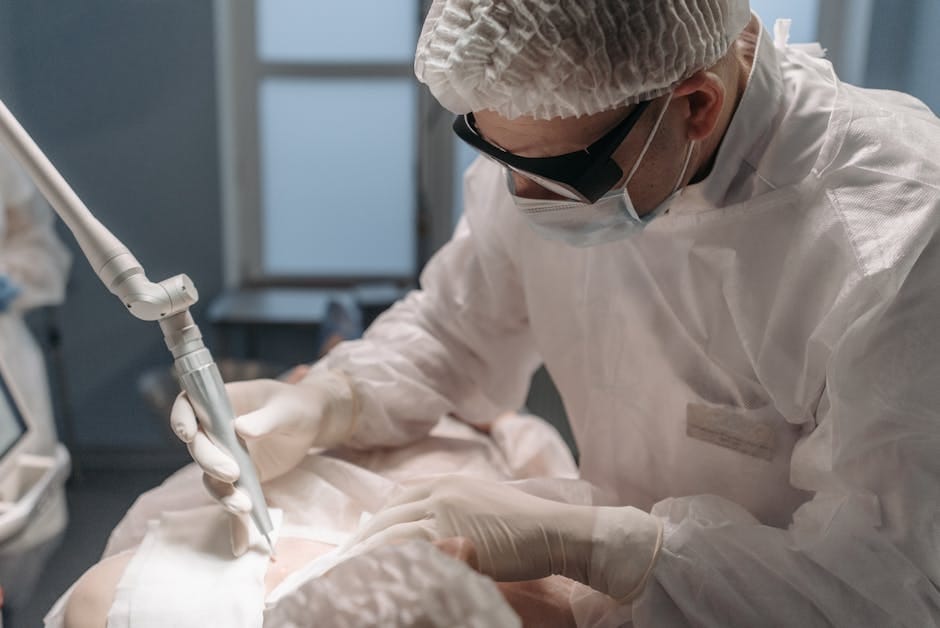
A crucial part of translating biomedical research and technology into space health means space crew will have to create their own functional cells, tissues, and even organs. Although the realization of regenerative medicine solutions capable of mimicking a human organ for transplantation in space is not expected within the next decade, researchers are already developing applicable technology that will work under microgravity conditions. Today, the risk of an astronaut developing a serious illness and needing intensive care is very small (between 1% and 2%), but it could happen. Even more so with deep space travel, where human bodies will be subjected to higher pressure, higher energy ionizing radiation, and cosmic rays that can heighten the hazards of prolonged spaceflight in an enclosed vessel.
/
Results and Key Findings
/
/
Applications and Use Cases
/
Results and Key Findings
/
/
/
Results and Key Findings
/
/
Company and Business Focus
/
Results and Key Findings
/
/
Applications and Use Cases
/
Results and Key Findings
/
/
/
Results and Key Findings
/
/
/
Results and Key Findings
/
/
Applications and Use Cases
/
Results and Key Findings
/
/
/
Results and Key Findings
/
/
Results and Key Findings
/
/
Applications and Use Cases
/
Results and Key Findings
/
/
/
Results and Key Findings
/
/
Company and Business Focus
/
Results and Key Findings
/
/
Applications and Use Cases
/
Results and Key Findings
/
/
/
Results and Key Findings
/
/
/
Results and Key Findings
/
/
Applications and Use Cases
/
Results and Key Findings
/
/
/
Results and Key Findings
/
Key Highlights and Main Points
/
Results and Key Findings
/
/
Applications and Use Cases
/
Results and Key Findings
/
/
/
Results and Key Findings
/
/
Company and Business Focus
/
Results and Key Findings
/
/
Applications and Use Cases
/
Results and Key Findings
/
/
/
Results and Key Findings
/
/
/
Results and Key Findings
/
/
Applications and Use Cases
/
Results and Key Findings
/
/
/
Results and Key Findings
/
Up until now, two 3D bioprinting systems have already been launched to the ISS, taking advantage of microgravity to enable rapid, biofabrication of 3D tissue and organ constructs, like human heart cells or mouse thyroid glands. There are several advantages to bioprinting in space, for example, experts discovered that microgravity conditions enable 3D bioprinting of tissue and organ constructs of more complex geometries with voids, cavities, and tunnels. Bioprinters can use different processes, including extrusion and magnetic bioprinting, but most importantly bioprinting without gravity eliminates the risk of collapse, enabling organs to grow without the need for scaffolds. This could improve treatment for patients on Earth, as well as help establish sustainable planetary settlements.
/
Results and Key Findings
/
/
Applications and Use Cases
/
Results and Key Findings
/
/
/
Results and Key Findings
/
/
Company and Business Focus
/
Results and Key Findings
/
/
Applications and Use Cases
/
Results and Key Findings
/
/
/
Results and Key Findings
/
/
/
Results and Key Findings
/
/
Applications and Use Cases
/
Results and Key Findings
/
/
/
Results and Key Findings
/

/
Results and Key Findings
/
/
Applications and Use Cases
/
Results and Key Findings
/
/
/
Results and Key Findings
/
/
Company and Business Focus
/
Results and Key Findings
/
/
Applications and Use Cases
/
Results and Key Findings
/
/
/
Results and Key Findings
/
/
/
Results and Key Findings
/
/
Applications and Use Cases
/
Results and Key Findings
/
/
/
Results and Key Findings
/
Techshot and nScrypt’s BioFabrication Facility. Image courtesy of Techshot/Eugene Boland.
/
Results and Key Findings
/
/
Applications and Use Cases
/
Results and Key Findings
/
/
/
Results and Key Findings
/
/
Company and Business Focus
/
Results and Key Findings
/
/
Applications and Use Cases
/
Results and Key Findings
/
/
/
Results and Key Findings
/
/
/
Results and Key Findings
/
/
Applications and Use Cases
/
Results and Key Findings
/
/
/
Results and Key Findings
/
/
Results and Key Findings
/
/
Applications and Use Cases
/
Results and Key Findings
/
/
/
Results and Key Findings
/
/
Company and Business Focus
/
Results and Key Findings
/
/
Applications and Use Cases
/
Results and Key Findings
/
/
/
Results and Key Findings
/
/
/
Results and Key Findings
/
/
Applications and Use Cases
/
Results and Key Findings
/
/
/
Results and Key Findings
/
Historically, manufacturing soft human tissue, such as blood vessels and muscle, has been difficult. Few researchers had success 3D printing these structures, as they try to deal with the complexities of bioprinting on Earth. Trying to solve this limitation, one company set out to create a bioprinter for in-space manufacturing. Techshot, a commercial operator of microgravity equipment, partnered with industrial 3D bioprinter maker nScrypt, to develop a 3D bioprinter designed to fabricate organ-like tissues in space. Launched in July 2019, the BioFabrication Facility (BFF) has already successfully printed tissue-like constructs with a large volume of human heart cells aboard the ISS Lab as well as human menisci.
/
Results and Key Findings
/
/
Applications and Use Cases
/
Results and Key Findings
/
/
/
Results and Key Findings
/
More importantly, while the 3D printer’s bioink contained cell types such as heart muscle cells, nerve cells, and vascular cells, it notably did not contain the scaffolding materials or thickening agents normally required to resist the destructive pull of gravity when bioprinting on Earth. While announcing successful 3D bioprinted space prints with human heart cells in January 2020, Techshot also described how “on Earth when attempting to print with soft, easily flowing biomaterials, tissues collapse under their own weight – resulting in little more than a puddle. But when these same materials are used in the microgravity environment of space, the 3D printed structures maintain their shapes.”
/
Applications and Use Cases
/

/
Applications and Use Cases
/
NASA astronaut Christina Koch activates the new BioFabrication Facility to test its ability to print cells. Image courtesy of NASA.
/
Applications and Use Cases
/
/
Applications and Use Cases
/
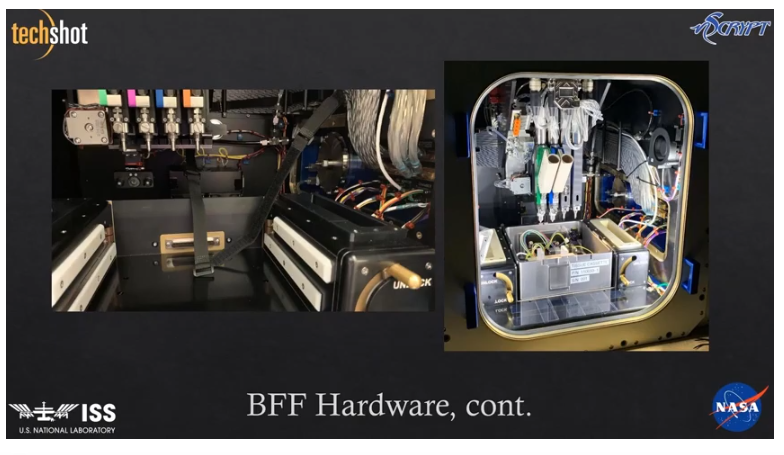
The L-shaped triple locker-sized express rack payload BFF is only three feet wide and two feet tall but holds four print heads to build biological constructs using dispensing tips roughly twice the diameter of a human hair to accurately place specific cellular and extracellular material where it will be needed for developing the tissue. It is built around linear motor systems capable of driving at over 700 millimeters per second, mainly because speed is the essence of bioprinting in microgravity. For the next phase, the company decided to bring it back to Earth for a few upgrades, but the BFF will be open for business after it returns to the ISS on July 2021 aboard Northrop Grumman’s 16th Commercial Resupply Services Mission for NASA (NG-16).
/
Applications and Use Cases
/
/
Applications and Use Cases
/
During the 2020 ISS National Lab Tissue Engineering and Regenerative Medicine in Space Seminar Series, Techshot’s Chief Scientist Eugene Boland explained that “the reason 3D structures are more easy to produce in microgravity with the absence of convection, buoyancy and segmentation, is that we can use a lower viscosity bioink, and the cells and nutrients stay where you put them. This is really a paradigm shift in bioprinting, where we can print biology only for the sake of biology, not the sake of mechanics. So we dont have to add crosslinkers and other structures to hold them, we can actually print the shape that we want to. That’s exactly what you can do in microgravity that you can’t do on the ground, that is move to 3D printing instead of two and a half dimensional printing.”
/
Applications and Use Cases
/
/
Applications and Use Cases
/
/
Applications and Use Cases
/
Techshot and nScrypt’s BioFabrication Facility inner works. Image courtesy of Techshot/Eugene Boland.
/
Applications and Use Cases
/
/
Applications and Use Cases
/
In the fall of 2019, NASA Administrator Jim Bridenstine announced that although there is a lot that needs to be done before humans can live and work in orbit for long periods of time, “we are using the ISS to 3D print human tissue and eventually human organs using adult stem cells, with the purpose of transforming our lives here on Earth.” Since being sworn in as NASA’s 13th Administrator in 2018, Bridenstine has been fast-tracking the agency’s goal of landing the first woman and next man on the Moon by 2024 and establishing a sustainable lunar presence later this decade.
/
Applications and Use Cases
/
/
Applications and Use Cases
/
During a public update on the agency’s Artemis program, Bridenstine indicated that “at the moment we are working on creating artificial retinas in orbit. These are the things that you cannot do here on Earth because of the way materials are layered, but you can do it in the microgravity of space using the ISS. Imagine a box that fits in the palm of your hand, and then up it goes to space with materials inside. But when that box comes back to Earth, we open it up to find a thousand artificial retinas. These retinas could help people who have macular degeneration and are at risk of losing their eyesight.”
/
Applications and Use Cases
/
/
Applications and Use Cases
/
/
Applications and Use Cases
/
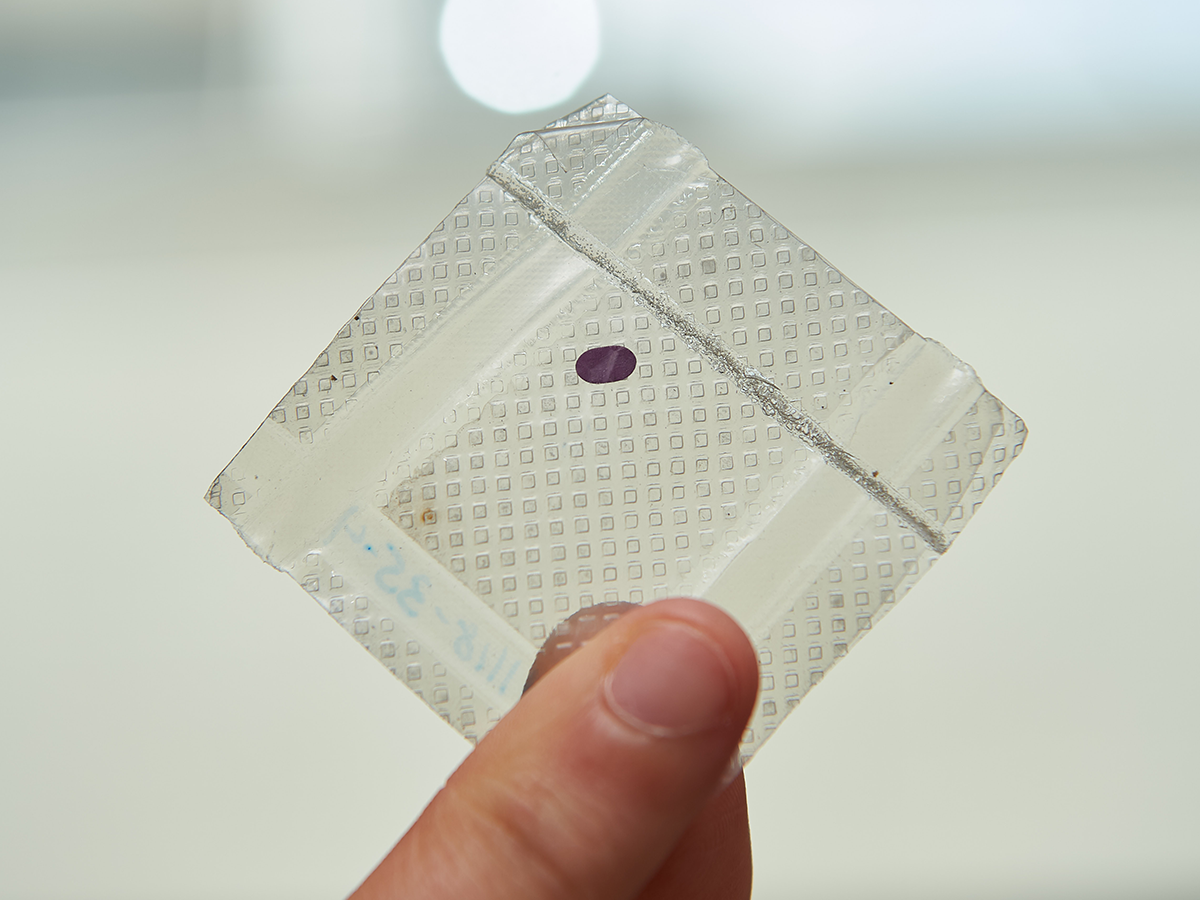
Artificial retina. Image courtesy of Lambda Vision.
/
Applications and Use Cases
/
/
Applications and Use Cases
/
In fact, innovative biotech Lambda Vision‘s protein-based artificial retinas manufactured in microgravity could not only restore sight for patients with retinal disease on Earth but will turn into a great starting point for the company to explore how its production process in space can be utilized for additional biomedical and technology applications across a number of diverse industries. Up until now, Lambda Vision’s CEO Nicole Wagner has reported that layering has been successfully demonstrated in microgravity, depositing 100 layers onto certain areas of the substrate.
The ISS is also home to Russia’s Organ.Aut 3D bioprinting platform, which successfully reached orbit in December 2018. The Russian space agency Roscosmos set to work with Skolkovo-based company 3D Bioprinting Solutions to create a space magnetic 3D bioprinter, which can manage tissue spheroids in microgravity. New approaches to 3D bioprinting techniques, such as acoustic or magnetic bioprinting using patterned physical fields for predictable cells spreading, areexpected to evolve, overcoming some common limitations, such as slow speed and the inability to create 3D constructs with complex geometries.
The system has already 3D bioprinted a mouse’s thyroid in the station’s zero-gravity environment; even fabricated meat, bones, and 3D bacterial biofilms; as well as grown crystals of protein compounds, and bioengineered human cartilage tissue for the first time. The company has big plans for deep space travel, hoping to develop a future version of the bioprinter that might help crewmembers replace a human body part, or even be able to print food for people traveling to Mars.

Allevi’s ZeroG bio extruder for Made In Space’s AMF facility on the ISS. Image courtesy of Allevi.
Other bioprinters are also in the works. Microgravity manufacturing expert company Made In Space (MIS) in partnership with bioprinter manufacturer Allevi set out to create the ZeroG bio extruder, which will be easily outfitted onto MIS’s existing Additive Manufacturing Facility on the ISS. According to Allevi CEO and co-founder Ricky Solorzano, the platform will revolutionize the study of biology in space by being able to test out biomaterials and achieve various geometries thanks to microgravity.
“The goal is to understand what are the constraints and values of doing experiments in microgravity. Just as we had to do with bioprinting on the ground, we believe that by providing this and going through experiments, the community will understand microgravity and find those applications that are not just research but product based, to make an industry out of this space environment,” explained Solorzano also during the ISS National Lab Space Seminar Series.
Swedish 3D bioprinter manufacturer Cellink has also announced a strategic collaboration with MIS to identify 3D bioprinting development opportunities for the ISS and future off-world platforms. While earlier in 2019, the European Space Agency (ESA) and the University Hospital of Dresden Technical University (TUD) also proved the ability to 3D print biological matter in a space-like environment on Earth.

Evolution of biomedicine in space. Image courtesy of the European Space Agency.
Bioprinting in microgravity opens up an entirely new field, as well as new challenges. As space entrepreneur Elon Musk once said, “space is hard,” and bioprinting off-Earth even harder. Experts have already discovered several limitations, ranging from the way bioinks behave to understanding surface tension. There is still a lot of work to be done to advance bioprinting in space for both Earth and crew patients, but new collaborations could quickly lead to the next stages of bioprinting in space.
The post Bioprinting in Microgravity: Where Do We Stand? appeared first on 3DPrint.com | The Voice of 3D Printing / Additive Manufacturing.
from 3DPrint.com | The Voice of 3D Printing / Additive Manufacturing https://bit.ly/31skcBh
Related: A Guide to Bioprinting: Understanding a Booming Industry · Cryogenic 3D Printing Improves Bioprinting for Bone Regeneration · Bioprinting Firm Cellink Signs €80M Deal to Buy Scienion AG
Frequently Asked Questions
How is 3D printing used in medicine?
3D printing is used in medicine for surgical planning models, custom implants, bioprinting tissue scaffolds, drug delivery systems, dental aligners, and prosthetics. It enables patient-specific solutions that improve outcomes and reduce surgery time.
What materials are biocompatible for 3D printing?
Common biocompatible materials include PEEK, titanium alloys (Ti6Al4V), bio-ceramics (hydroxyapatite), medical-grade resins, PLA for temporary implants, and hydrogels for bioprinting. Material choice depends on the application and required mechanical properties.
Is 3D printed medical equipment FDA approved?
Yes, several 3D printed medical devices have FDA clearance, including orthopedic implants, dental restorations, and surgical guides. Each device must go through the appropriate regulatory pathway based on its risk classification.
📌 Related Articles
- Best 3D Printer Upgrades That Actually Improve Print Quality: Complete 2026 Guide
- Best Budget 3D Printer Upgrades That Actually Improve Print Quality: Belts, Springs, Hotends & More
- Prusa Research Mini+ vs Prusa MK4: Full Specs Comparison & Buyer’s Guide
- 3D Printing Safety Equipment Guide: Respirators, Gloves, and Ventilation for 2026
- Bambu Lab P1S vs Bambu Lab P2S: Full Specs Comparison & Buyer’s Guide