
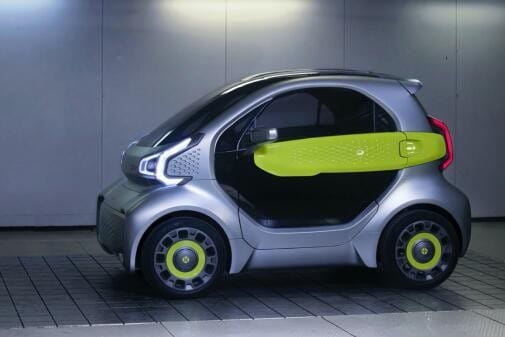
The ongoing pandemic has caused major disruption to the global economy, halting business and consumers from their normal purchases—big and small—and the automotive industry was certainly not spared. Many countries have continued to deal with the fallout and China is no exception, with auto sales taking a big hit. Prior to COVID-19, Italian firm XEV (short for X-Electrical Vehicle) had announced plans to open its third production facility in Shanghai, aside from the already-established Italy and Hong Kong sites.
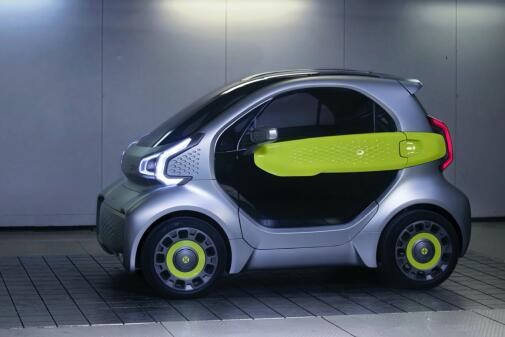
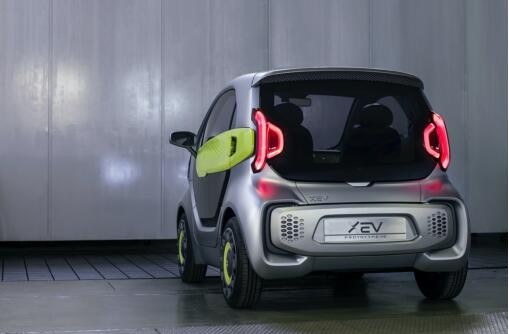
Recent news is more uplifting for car sales in China now, however, and especially for 3D-printed cars by XEV, which drew great interest in China last year. The Italian auto manufacturing company, founded by Luo Xiaofan, remains heavily engaged with the Chinese market, further cementing models from Europeans also (with up to 30,000 orders there so far) at the Valentino Auto Show with the presentation of the YOYO.
How 3D Printing Responded to COVID-19
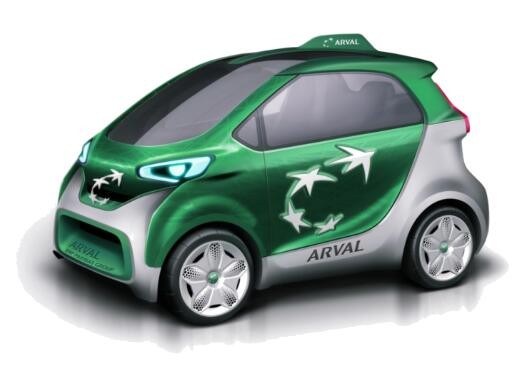
XEV has also continued to expand globally, with reports that they have signed numerous other contracts regarding sales to include the Middle East and a variety of different agreements regarding “customized enterprise vehicles” to work with businesses like:
- Italian Post
- Arval Leasing Company
- Q8 Petroleum Company (Kuwait Petroleum Company)
- Campello Motors
New car delivery is due soon also, with the first phase of orders gong into mass production. Slated for December 2020, European orders should be filled from the initial batch of 3D-printed car models. Manufacturing plans are said to be proceeding smoothly, on target with the 30,000 orders.
HP and the Pandemic Manufacturing Shift

Manufacturing facilities for companies like XEV reflect the potential future for automotive applications, using technology that may not only better for the environment overall, but also more affordable and efficient, potentially offering better performance and the ability to create parts previously impossible. See also: The Current State of Metal 3D Printing in 2020. In fact, the company projects that XEV factories may actually decrease expenses and development time by a staggering 90 percent.
Supply Chain Disruptions and Digital Solutions
XEV customized enterprise car design for ARVAL
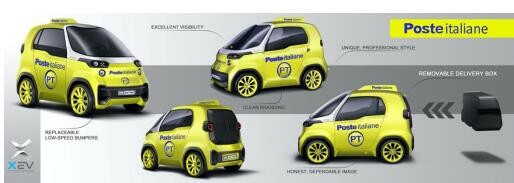
XEV customized “Last Mile” express delivery car for Italian Post
The XEV team is impressive in terms of design and engineering, presenting not only a unique style for modern cars but also control systems. Output of orders is expected by XEV to reach 100,000 in Europe in the next several years, with companies such as Dutch auto dealer CarSupply building XEV showrooms in cities like Amsterdam, Brussels, Hamburg, Stockholm, and Copenhagen. They will also be involved in annual events, and promotions such as online purchase programs for consumers.
Medical PPE and Equipment Production
Overall, ties remain very strong in the Chinese automobile market as XEV continues to place an emphasis on affordably, customized vehicles with as little waste as possible and maximization of smart technology and comprehensive data compilation.
Lessons Learned for Future Emergencies
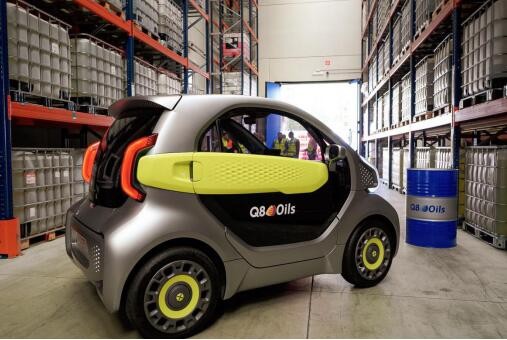
XEV customized enterprise car for Q8 Petroleum
3D printing continues to evolve within the automobile industry, beginning with long-time manufacturers who have been creating parts and prototypes for decades. This includes luxury carmakers like BMW and Rolls Royce. As 3D-printed cars become more accessible and affordable, we should continue to see more from companies like XEV and Local Motors.
What do you think of this news? Let us know your thoughts! Join the discussion of this and other 3D printing topics at 3DPrintBoard.com.
[Source / Images: NetEase ; Business Korea]
How 3D Printing Responded to COVID-19
The post 3D-Printed Car Manufacturer XEV Boasts 30,000 Orders appeared first on 3DPrint.com | The Voice of 3D Printing / Additive Manufacturing.
from Your daily news from 3DPrint.com https://bit.ly/3dHSx3e
Related Articles
Frequently Asked Questions
How did 3D printing help during COVID-19?
During the COVID-19 pandemic, 3D printing enabled rapid production of critical medical supplies including face shields, ventilator components, nasal swabs, and PPE. Distributed manufacturing allowed makers worldwide to produce items locally without waiting for traditional supply chains.
What was the pandemic digital manufacturing shift?
The pandemic accelerated adoption of digital manufacturing including 3D printing, as companies sought more resilient supply chains. Organizations shifted from centralized to distributed production, using digital files to produce parts locally on demand.
Can 3D printing supply chains be resilient in emergencies?
Yes, 3D printing provides supply chain resilience through distributed manufacturing — designs can be shared digitally and produced anywhere with compatible equipment, eliminating the need for physical inventory and shipping of parts.
📌 Related Articles
- The Current State of Metal 3D Printing in 2020
- ABS 3D Printing Settings Guide: Temperature, Enclosure, and Cooling for Strong Parts
- Best Budget 3D Printer Upgrades That Actually Improve Print Quality: Belts, Springs, Hotends & More
- 3D Printing News: Multi-Material Breakthrough and Aerospace Market Boom
- Best 3D Printer Upgrades That Actually Improve Print Quality: Complete 2026 Guide