
/
Applications and Use Cases
/
/
Company and Business Focus
/
Applications and Use Cases
/
/
/
Applications and Use Cases
/
/
Technology and Innovation
/
Applications and Use Cases
/
/
Company and Business Focus
/
Applications and Use Cases
/
/
/
Applications and Use Cases
/
/
/
Applications and Use Cases
/
/
Company and Business Focus
/
Applications and Use Cases
/
/
/
Applications and Use Cases
/
/
Research and Development
/
Applications and Use Cases
/
/
Company and Business Focus
/
Applications and Use Cases
/
/
/
Applications and Use Cases
/
/
Technology and Innovation
/
Applications and Use Cases
/
/
Company and Business Focus
/
Applications and Use Cases
/
/
/
Applications and Use Cases
/
/
/
Applications and Use Cases
/
/
Company and Business Focus
/
Applications and Use Cases
/
/
/
Applications and Use Cases
/
/
/
Applications and Use Cases
/
/
Company and Business Focus
/
Applications and Use Cases
/
/
/
Applications and Use Cases
/
/
Technology and Innovation
/
Applications and Use Cases
/
/
Company and Business Focus
/
Applications and Use Cases
/
/
/
Applications and Use Cases
/
/
/
Applications and Use Cases
/
/
Company and Business Focus
/
Applications and Use Cases
/
/
/
Applications and Use Cases
/
Solukon Maschinenbau GmbH develops and supplies high-quality powder removal and processing systems for metal and polymer additive manufacturing, providing them to a variety of industrial users, including NASA, CERN, Lockheed Martin, Siemens, Daimler, and LORTEK, among others. The company has just announced the newest member of its automated depowdering family for polymer AM, the SFP 770.
/
Applications and Use Cases
/
/
Technology and Innovation
/
Applications and Use Cases
/
/
/
Applications and Use Cases
/
/
Research and Development
/
Applications and Use Cases
/
/
Technology and Innovation
/
Applications and Use Cases
/
/
/
Applications and Use Cases
/
/
/
Applications and Use Cases
/
/
Technology and Innovation
/
Applications and Use Cases
/
/
/
Applications and Use Cases
/
/
Applications and Use Cases
/
/Technology and Innovation
/
Applications and Use Cases
/
/
/Applications and Use Cases
/
/Research and Development
/
Applications and Use Cases
/
/Technology and Innovation
/
Applications and Use Cases
/
/
/Applications and Use Cases
/
/
/Applications and Use Cases
/
/Technology and Innovation
/
Applications and Use Cases
/
/
/Applications and Use Cases
/
/
Applications and Use Cases
/
/Technology and Innovation
/
Applications and Use Cases
/
/
/Applications and Use Cases
/
/Research and Development
/
Applications and Use Cases
/
/Technology and Innovation
/
Applications and Use Cases
/
/
/Applications and Use Cases
/
/
/Applications and Use Cases
/
/Technology and Innovation
/
Applications and Use Cases
/
/
/Applications and Use Cases
/
Key Highlights and Main Points
/
Applications and Use Cases
/
/Technology and Innovation
/
Applications and Use Cases
/
/
/Applications and Use Cases
/
/Research and Development
/
Applications and Use Cases
/
/Technology and Innovation
/
Applications and Use Cases
/
/
/Applications and Use Cases
/
/
/Applications and Use Cases
/
/Technology and Innovation
/
Applications and Use Cases
/
/
/Applications and Use Cases
/
/
Applications and Use Cases
/
/
Technology and Innovation
/
Applications and Use Cases
/
/
/
Applications and Use Cases
/
/
Research and Development
/
Applications and Use Cases
/
/
Technology and Innovation
/
Applications and Use Cases
/
/
/
Applications and Use Cases
/
/
/
Applications and Use Cases
/
/
Technology and Innovation
/
Applications and Use Cases
/
/
/
Applications and Use Cases
/
/
Applications and Use Cases
/
/
Technology and Innovation
/
Applications and Use Cases
/
/
/
Applications and Use Cases
/
/
Research and Development
/
Applications and Use Cases
/
/
Technology and Innovation
/
Applications and Use Cases
/
/
/
Applications and Use Cases
/
/
/
Applications and Use Cases
/
/
Technology and Innovation
/
Applications and Use Cases
/
/
/
Applications and Use Cases
/
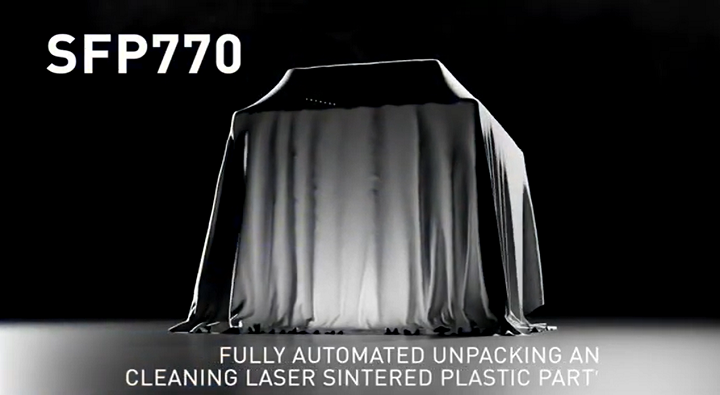
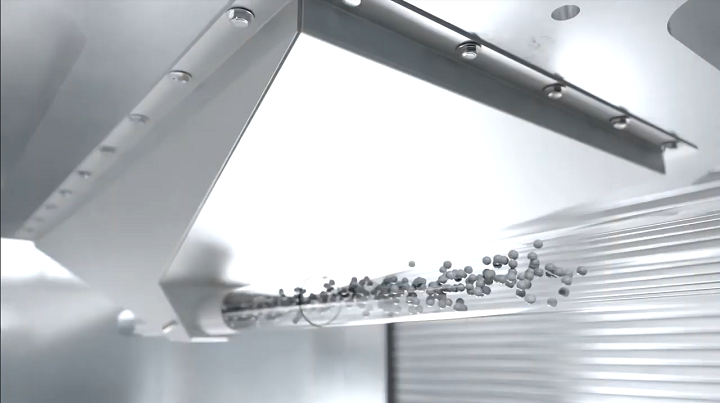
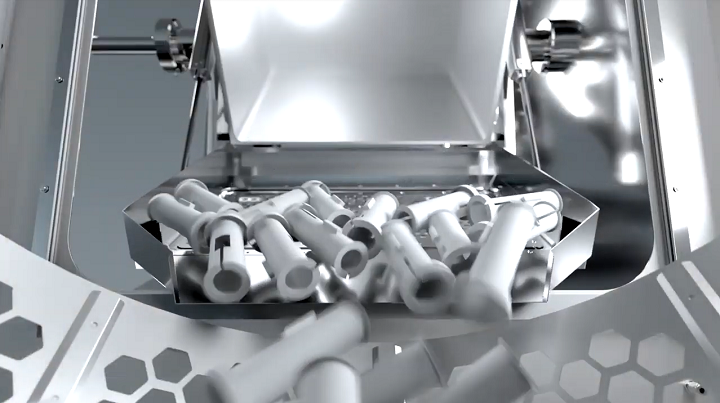
The new SFP 770 is an automated unpacking and cleaning system for powder prints, unique in the fact that it combines two completely automated functions in a single system. While unpacking a large build box, the system removes any excess powder, and then it runs a cleaning cycle, where any of the powder that remains is quickly cleaned off of the completed part. Then, the removed powder can be recycled and used again in the future. Even better, the system’s fully automated process is able to process a large build box of about 150l worth of polymer parts, unpacking and finishing them, free of residue, in just a few minutes’ time.
/
Applications and Use Cases
/
/
Technology and Innovation
/
Applications and Use Cases
/
/
/
Applications and Use Cases
/
/
Research and Development
/
Applications and Use Cases
/
/
Technology and Innovation
/
Applications and Use Cases
/
/
/
Applications and Use Cases
/
/
/
Applications and Use Cases
/
/
Technology and Innovation
/
Applications and Use Cases
/
/
/
Applications and Use Cases
/
/
Applications and Use Cases
/
/Technology and Innovation
/
Applications and Use Cases
/
/
/Applications and Use Cases
/
/Research and Development
/
Applications and Use Cases
/
/Technology and Innovation
/
Applications and Use Cases
/
/
/Applications and Use Cases
/
/
/Applications and Use Cases
/
/Technology and Innovation
/
Applications and Use Cases
/
/
/Applications and Use Cases
/
“We look forward to showing the additive manufacturing community our latest innovation in AM powder removal technology, this time for the removal of polymer powders. We have applied the same rigorous attention to detail, and dedication to the needs of customers, that we have shown in metal powder. But now for polymer AM applications,” Hartmann said.
/
Research and Development
/
“Our goal is to accelerate the post-process and prevent any exposure to fine polymer powder. With this solution we will offer an important step towards a highly efficient and powder-free shop floor.”
/
Research and Development
/
/
Research and Development
/
/
Research and Development
/
/
Research and Development
/
Powder removal is a very important part of the AM process. Powder residue acts like a sponge when it’s left in the printer after a job, by trapping gasses and then releasing them at a low rate during the next print. Solukon’s depowdering units are run by intelligent software that keeps even the most complex parts moving along, emptying powder in a safe, optimized manner.
/
Research and Development
/
Solukon will be officially unveiling its new SFP 770 two-part solution at the upcoming Formnext, an online exhibition November 10th-12th that Formnext is holding in lieu of its normal physical event. Each day at the event, team members from Solukon will be available online to answer questions about the SFP 770. They’ll also be holding livestream visits to its facility to show off all the depowdering systems it offers, and will be available for one on one meetings; interested customers should email sales@solukon.de to register for online meetings and demonstrations.
/
Research and Development
/
/
Research and Development
/
Michael Sattler, Solukon’s Global Sales Director, said, “We’re patiently waiting to show you our new platform next month during Formnext and meet each of you online to discuss how we can implement the latest technology in your AM operations.”
/
Research and Development
/
/
Research and Development
/

/
Research and Development
/
According to the latest “Additive Manufacturing with Metal Powders 2020” report from SmarTech Analysis, the metal additive market growth had been stalled in recent years. But, during the ongoing COVID-19 pandemic, almost every company in the 3D printing industry, from polymer and resin to metal powder, has reacted to the crisis in a positive manner, whether by speeding up development of new medical products that can help reduce the impact in future pandemics, or leveraging their existing technology to print parts needed for the medical care response to the virus.
“All of these activities have helped put additive manufacturing technologies back near the top-of-mind of many major manufacturers,” SmarTech explained. “This has created a juxtaposition of great proportions in the current industry-interest and emphasis on AM appears to have grown over the last quarter fairly significantly, but the current operating realities of many notable additive companies are harsh. Most of this can be tied directly back to the industry’s structure which is heavily weighted to powder bed fusion technologies. These systems are now penetrating the perimeters of true manufacturing, and this initial acceptance has only raised the collective bar for performance and capability of the technologies, exposing holes in the broader manufacturing landscape in terms of necessary expertise in additive.”
A good depowdering system, like Solukon’s new SFP 770 solution, is vital when it comes to printing medical-grade parts.
(Source/Images: Solukon)
The post New Automated System for Unpacking & Cleaning Powder 3D Printed Parts Announced by Solukon appeared first on 3DPrint.com | The Voice of 3D Printing / Additive Manufacturing.
from 3DPrint.com | The Voice of 3D Printing / Additive Manufacturing https://bit.ly/2FJm00Y
Related Articles: Metal 3D Printed Aircraft Engine Parts Get Depowdering Boost from Solukon · Spain: Influences of Parameters & Post-Processing on Conductive 3D Printed Parts · Embedded Sensors for Monitoring Temperature & Strain of 3D Printed Polymeric Parts
Frequently Asked Questions
How is 3D printing used in robotics?
3D printing creates custom robot housings, grippers, gears, brackets, and structural components. It enables rapid prototyping of robot designs and production of lightweight, complex geometries that would be expensive with traditional manufacturing.
📌 Related Articles
- Best 3D Printer Upgrades That Actually Improve Print Quality: Complete 2026 Guide
- Best Budget 3D Printer Upgrades That Actually Improve Print Quality: Belts, Springs, Hotends & More
- Prusa Research Mini+ vs Prusa MK4: Full Specs Comparison & Buyer’s Guide
- ABS 3D Printing Settings Guide: Temperature, Enclosure, and Cooling for Strong Parts
- Bambu Lab P1S vs Bambu Lab P2S: Full Specs Comparison & Buyer’s Guide