
As a disruptive technology, 3D printing has been behind many positive transformations in major industries, from dental and medical to aerospace and far beyond; however, the construction industry is worth trillions annually and globally—with industrialists rarely missing an opportunity to begin using technology that could save money, time, and offer better performance in many cases too.
The construction industry is still evolving with 3D printing, although many impressive projects have been completed due to ongoing progress with hardware, software, and a variety of materials and concrete composites. Some researchers consider progress overall to be slow though, with too many limitations still present in terms of printers.
Now, ETH Zurich researchers have created a 3D printing system called Fast Complexity. This is a team with extensive experience in modern construction design and the use of molds.
The Role of 3D Printing in Medicine
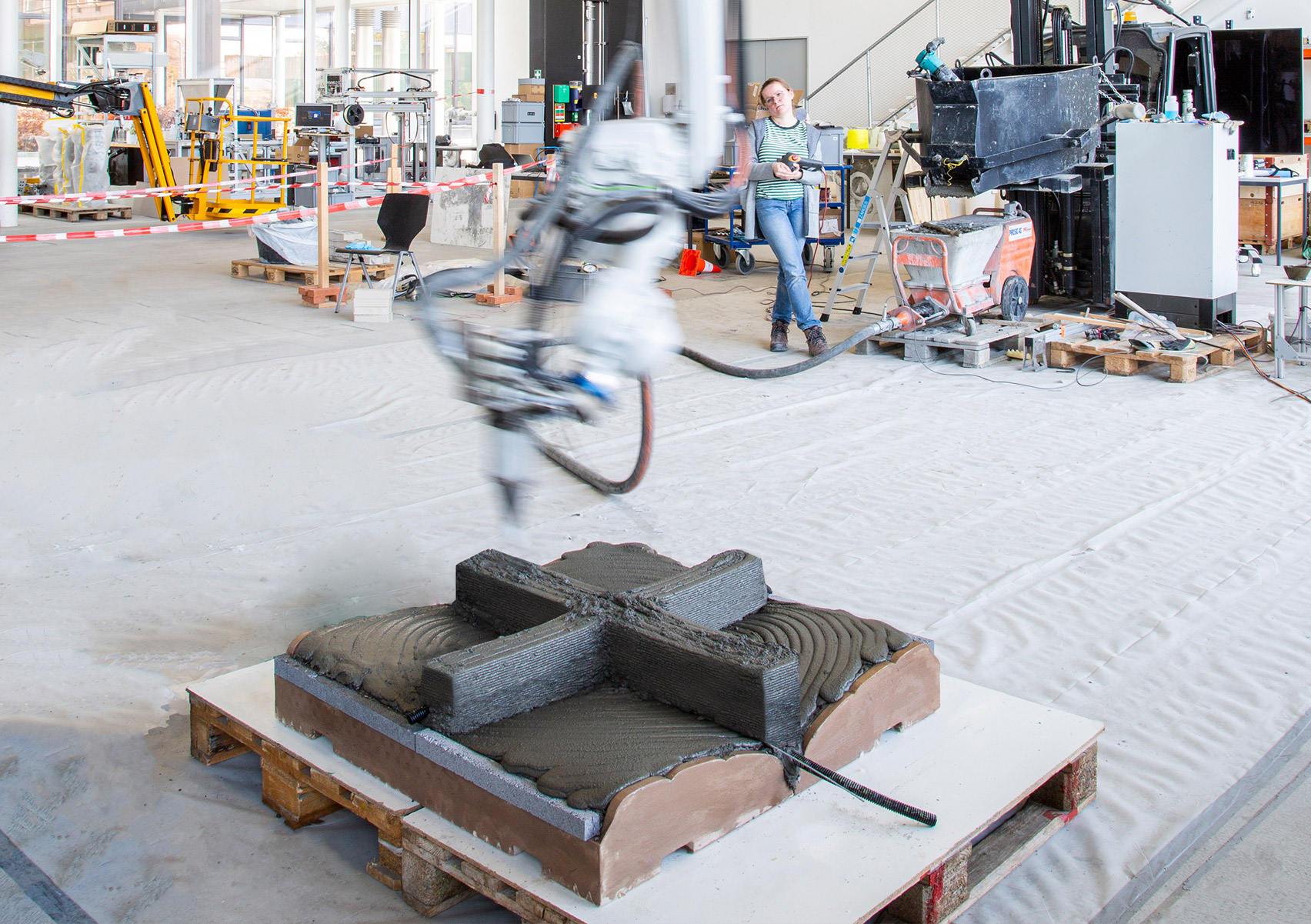
Fast Complexity combines 3D printing and casting of concrete
In an effort to develop an improved transition between casting and 3D printing, the researchers combined the two technologies. The team is made up of Ana Anton, Andrei Jipa, Benjamin Dillenburger and Lex Reiter. All hail from the ETH Zurich’s Digital Building Technologies group, except for Lex Reiter, from the Physical Chemistry of Building Materials group.
“The major innovation is the concrete 3D printing process developed by ETH Zurich,” Ana Anton said in a recent interview with Dezeen.
Biocompatible Materials and Processes
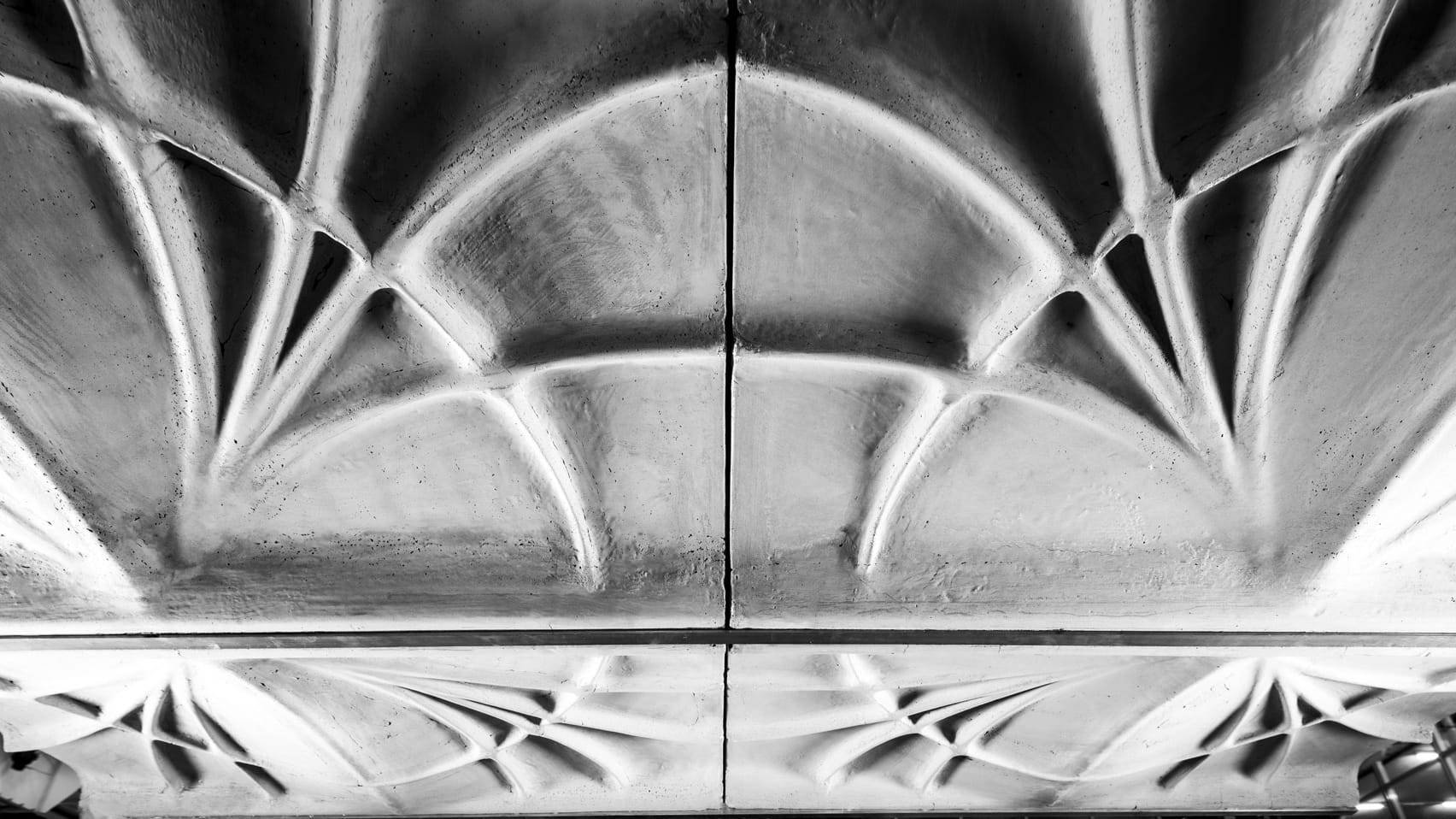
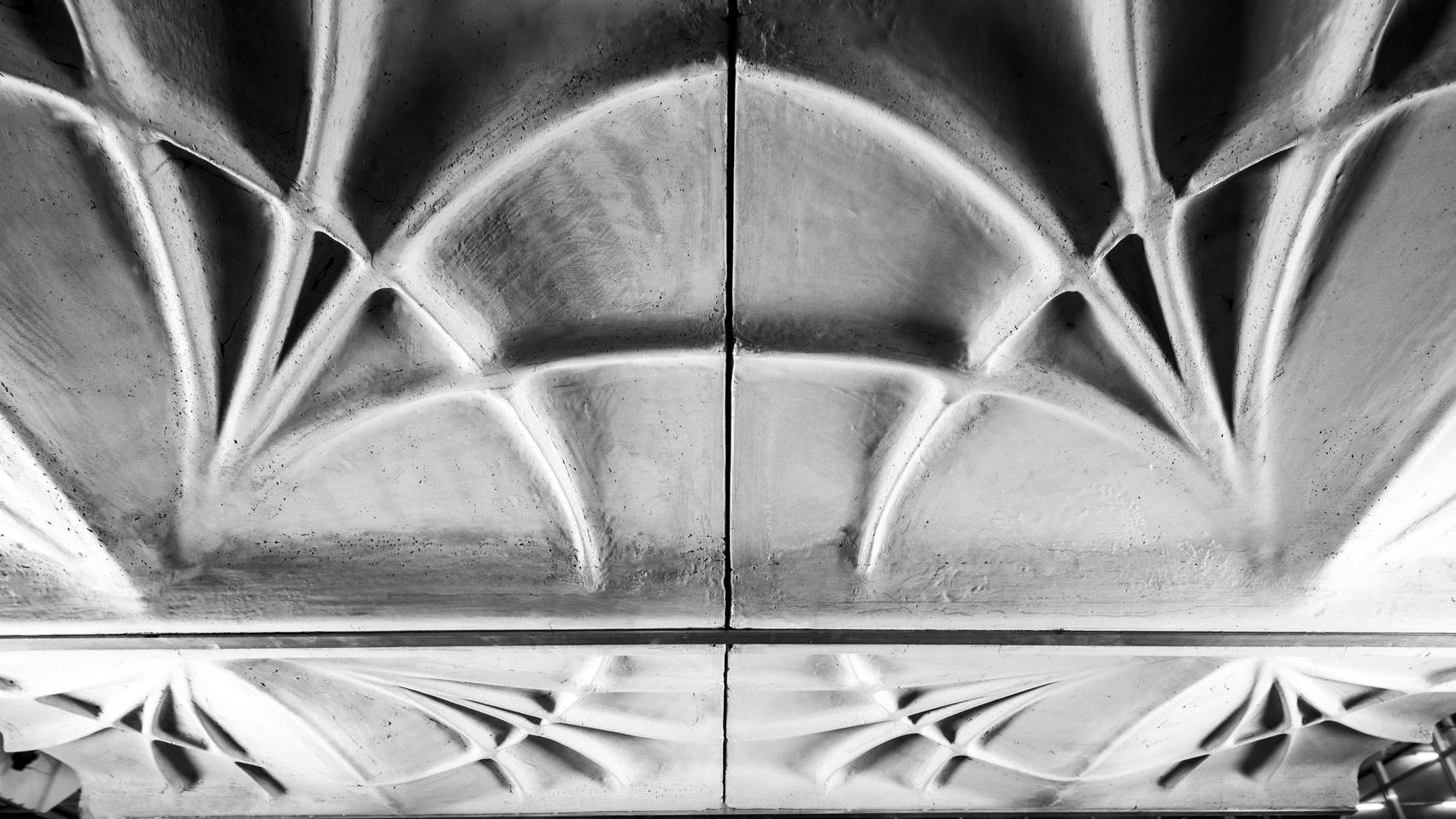
The Fast Complexity system allows for 3D printing of fast-setting concrete without the need for formwork, as materials flow into the castings fluidly and accurately.
Clinical Applications and Case Studies
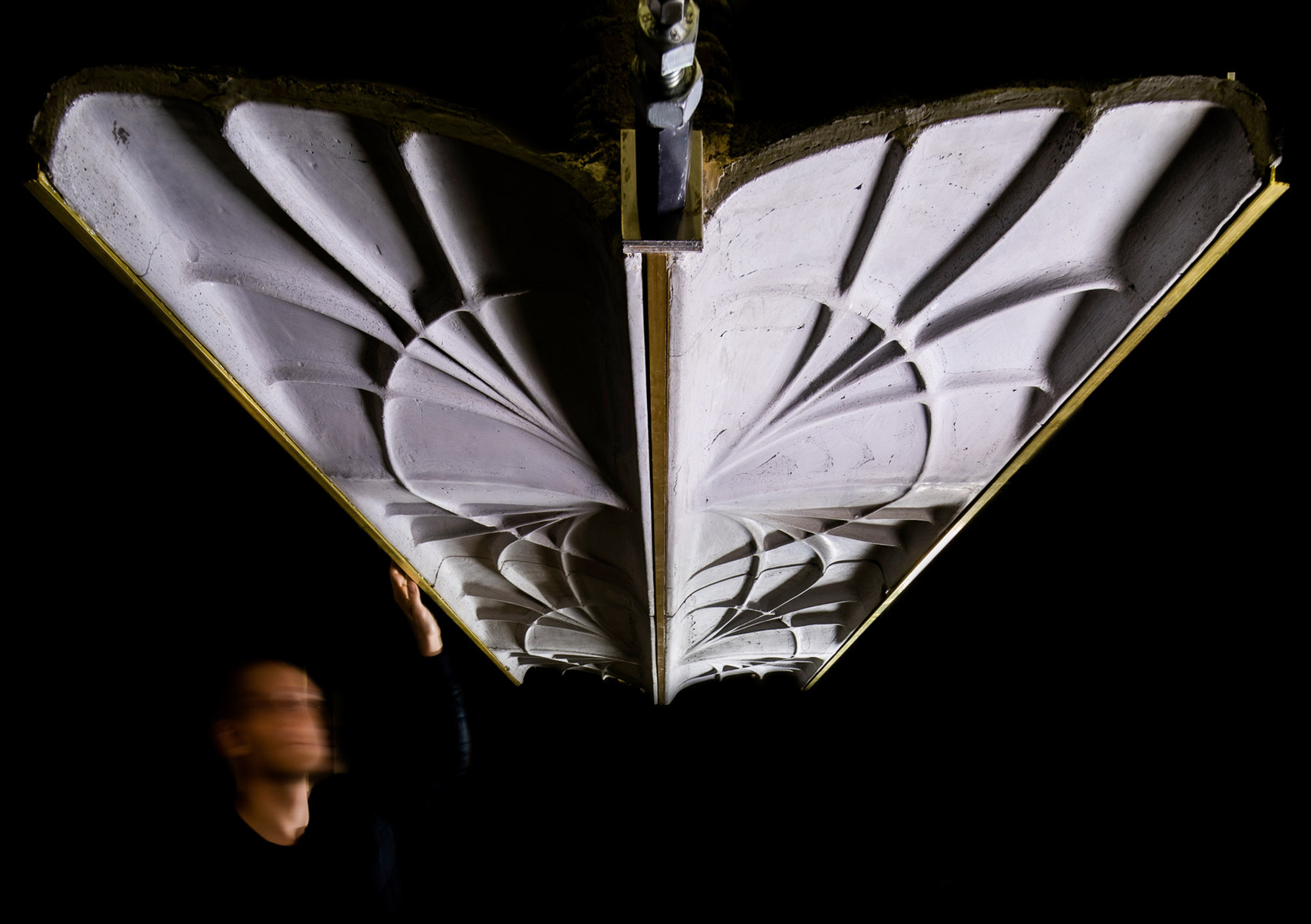
The slab only has concrete where it is needed
Fast Complexity combines 3D printing and casting of concrete
“Our material can be digitally controlled from a fluid concrete mix to a fast hardening concrete,” said Anton. “In this way, we can have a seamless transition between casting and 3D printing.”
Regulatory Considerations and Safety
While precision and high performance are certainly beneficial features of this new system, so is the potential for eliminating materials waste—leading to greater affordability in production and satisfying the increasing desire for a smaller environmental footprint left behind from digital fabrication.
“Both the geometry of the slab and the deposition path are optimized to only add material where needed,” said Anton. “Such geometries would be otherwise too expensive to fabricate. That reduction is project-specific and depends on structural evaluation, but compared to a massive slab, there is a lot of space for material saving,” she continued.
Research Breakthroughs and Innovations
The team created a sample during the study, presenting a “highly optimized” structural slab. See also: Best Budget 3D Printer Upgrades That Actually Impr…. The prototype was printed via binder jetting and concrete 3D printing. As Anton continued to explain, however, the researchers are able to choose the best techniques for optimized details in a project; for instance, binder jetting may allow for surfaces in higher resolution, while concrete 3D printing offers rougher surfaces, but faster production.
Ultimately, the goal is for progress not only in construction but in 3D printing with materials like concrete too—creating the potential for more complex designs and structures.
“Our vision is that in the near future large-scale building components for both structural and non-structural applications will be directly 3D printable in concrete,” she said. “This opens up new material saving and design potential.”
The Future of Bioprinting and Medical AM
[Source / Images: Dezeen]
The post Fast Complexity: ETH Zurich Combines Fast-Setting 3D Printed Concrete and Casting appeared first on 3DPrint.com | The Voice of 3D Printing / Additive Manufacturing.
from Your daily news from 3DPrint.com https://bit.ly/3gIqOR7
Related Articles
Frequently Asked Questions
How is 3D printing used in medicine?
3D printing is used in medicine for surgical planning models, custom implants, bioprinting tissue scaffolds, drug delivery systems, dental aligners, and prosthetics. It enables patient-specific solutions that improve outcomes and reduce surgery time.
What materials are biocompatible for 3D printing?
Common biocompatible materials include PEEK, titanium alloys (Ti6Al4V), bio-ceramics (hydroxyapatite), medical-grade resins, PLA for temporary implants, and hydrogels for bioprinting. Material choice depends on the application and required mechanical properties.
Is 3D printed medical equipment FDA approved?
Yes, several 3D printed medical devices have FDA clearance, including orthopedic implants, dental restorations, and surgical guides. Each device must go through the appropriate regulatory pathway based on its risk classification.
📌 Related Articles
- Best 3D Printer Upgrades That Actually Improve Print Quality: Complete 2026 Guide
- Best Budget 3D Printer Upgrades That Actually Improve Print Quality: Belts, Springs, Hotends & More
- 3D Printing News: Multi-Material Breakthrough and Aerospace Market Boom
- How Divergent Technologies Is 3D Printing Cruise Missiles for the U.S. Military
- ABS 3D Printing Settings Guide: Temperature, Enclosure, and Cooling for Strong Parts