
/
Applications and Use Cases
/
/
Company and Business Focus
/
Applications and Use Cases
/
/
/
Applications and Use Cases
/
/
Technology and Innovation
/
Applications and Use Cases
/
/
Company and Business Focus
/
Applications and Use Cases
/
/
/
Applications and Use Cases
/
/
/
Applications and Use Cases
/
/
Company and Business Focus
/
Applications and Use Cases
/
/
/
Applications and Use Cases
/
/
Research and Development
/
Applications and Use Cases
/
/
Company and Business Focus
/
Applications and Use Cases
/
/
/
Applications and Use Cases
/
/
Technology and Innovation
/
Applications and Use Cases
/
/
Company and Business Focus
/
Applications and Use Cases
/
/
/
Applications and Use Cases
/
/
/
Applications and Use Cases
/
/
Company and Business Focus
/
Applications and Use Cases
/
/
/
Applications and Use Cases
/
/
/
Applications and Use Cases
/
/
Company and Business Focus
/
Applications and Use Cases
/
/
/
Applications and Use Cases
/
/
Technology and Innovation
/
Applications and Use Cases
/
/
Company and Business Focus
/
Applications and Use Cases
/
/
/
Applications and Use Cases
/
/
/
Applications and Use Cases
/
/
Company and Business Focus
/
Applications and Use Cases
/
/
/
Applications and Use Cases
/
Polish 3D printing solutions provider Zortrax has been working with the European Space Agency (ESA) for the last year to figure out how to use 3D printing to fabricate high-performance composite parts out of two different PEEK (polyetheretherketone) filament blends, and the two have finally reached a milestone in the project.
/
Applications and Use Cases
/
/
Company and Business Focus
/
Applications and Use Cases
/
/
/
Applications and Use Cases
/
/
Technology and Innovation
/
Applications and Use Cases
/
/
Company and Business Focus
/
Applications and Use Cases
/
/
/
Applications and Use Cases
/
/
/
Applications and Use Cases
/
/
Company and Business Focus
/
Applications and Use Cases
/
/
/
Applications and Use Cases
/
/
Research and Development
/
Applications and Use Cases
/
/
Company and Business Focus
/
Applications and Use Cases
/
/
/
Applications and Use Cases
/
/
Technology and Innovation
/
Applications and Use Cases
/
/
Company and Business Focus
/
Applications and Use Cases
/
/
/
Applications and Use Cases
/
/
/
Applications and Use Cases
/
/
Company and Business Focus
/
Applications and Use Cases
/
/
/
Applications and Use Cases
/
/
/
Applications and Use Cases
/
/
Company and Business Focus
/
Applications and Use Cases
/
/
/
Applications and Use Cases
/
/
Technology and Innovation
/
Applications and Use Cases
/
/
Company and Business Focus
/
Applications and Use Cases
/
/
/
Applications and Use Cases
/
/
/
Applications and Use Cases
/
/
Company and Business Focus
/
Applications and Use Cases
/
/
/
Applications and Use Cases
/
/
Applications and Use Cases
/
/
Company and Business Focus
/
Applications and Use Cases
/
/
/
Applications and Use Cases
/
/
Technology and Innovation
/
Applications and Use Cases
/
/
Company and Business Focus
/
Applications and Use Cases
/
/
/
Applications and Use Cases
/
/
/
Applications and Use Cases
/
/
Company and Business Focus
/
Applications and Use Cases
/
/
/
Applications and Use Cases
/
/
Research and Development
/
Applications and Use Cases
/
/
Company and Business Focus
/
Applications and Use Cases
/
/
/
Applications and Use Cases
/
/
Technology and Innovation
/
Applications and Use Cases
/
/
Company and Business Focus
/
Applications and Use Cases
/
/
/
Applications and Use Cases
/
/
/
Applications and Use Cases
/
/
Company and Business Focus
/
Applications and Use Cases
/
/
/
Applications and Use Cases
/
/
/
Applications and Use Cases
/
/
Company and Business Focus
/
Applications and Use Cases
/
/
/
Applications and Use Cases
/
/
Technology and Innovation
/
Applications and Use Cases
/
/
Company and Business Focus
/
Applications and Use Cases
/
/
/
Applications and Use Cases
/
/
/
Applications and Use Cases
/
/
Company and Business Focus
/
Applications and Use Cases
/
/
/
Applications and Use Cases
/
Key Highlights and Main Points
/
Applications and Use Cases
/
/
Company and Business Focus
/
Applications and Use Cases
/
/
/
Applications and Use Cases
/
/
Technology and Innovation
/
Applications and Use Cases
/
/
Company and Business Focus
/
Applications and Use Cases
/
/
/
Applications and Use Cases
/
/
/
Applications and Use Cases
/
/
Company and Business Focus
/
Applications and Use Cases
/
/
/
Applications and Use Cases
/
/
Research and Development
/
Applications and Use Cases
/
/
Company and Business Focus
/
Applications and Use Cases
/
/
/
Applications and Use Cases
/
/
Technology and Innovation
/
Applications and Use Cases
/
/
Company and Business Focus
/
Applications and Use Cases
/
/
/
Applications and Use Cases
/
/
/
Applications and Use Cases
/
/
Company and Business Focus
/
Applications and Use Cases
/
/
/
Applications and Use Cases
/
/
/
Applications and Use Cases
/
/
Company and Business Focus
/
Applications and Use Cases
/
/
/
Applications and Use Cases
/
/
Technology and Innovation
/
Applications and Use Cases
/
/
Company and Business Focus
/
Applications and Use Cases
/
/
/
Applications and Use Cases
/
/
/
Applications and Use Cases
/
/
Company and Business Focus
/
Applications and Use Cases
/
/
/
Applications and Use Cases
/
/
Applications and Use Cases
/
/
Company and Business Focus
/
Applications and Use Cases
/
/
/
Applications and Use Cases
/
/
Technology and Innovation
/
Applications and Use Cases
/
/
Company and Business Focus
/
Applications and Use Cases
/
/
/
Applications and Use Cases
/
/
/
Applications and Use Cases
/
/
Company and Business Focus
/
Applications and Use Cases
/
/
/
Applications and Use Cases
/
/
Research and Development
/
Applications and Use Cases
/
/
Company and Business Focus
/
Applications and Use Cases
/
/
/
Applications and Use Cases
/
/
Technology and Innovation
/
Applications and Use Cases
/
/
Company and Business Focus
/
Applications and Use Cases
/
/
/
Applications and Use Cases
/
/
/
Applications and Use Cases
/
/
Company and Business Focus
/
Applications and Use Cases
/
/
/
Applications and Use Cases
/
/
/
Applications and Use Cases
/
/
Company and Business Focus
/
Applications and Use Cases
/
/
/
Applications and Use Cases
/
/
Technology and Innovation
/
Applications and Use Cases
/
/
Company and Business Focus
/
Applications and Use Cases
/
/
/
Applications and Use Cases
/
/
/
Applications and Use Cases
/
/
Company and Business Focus
/
Applications and Use Cases
/
/
/
Applications and Use Cases
/
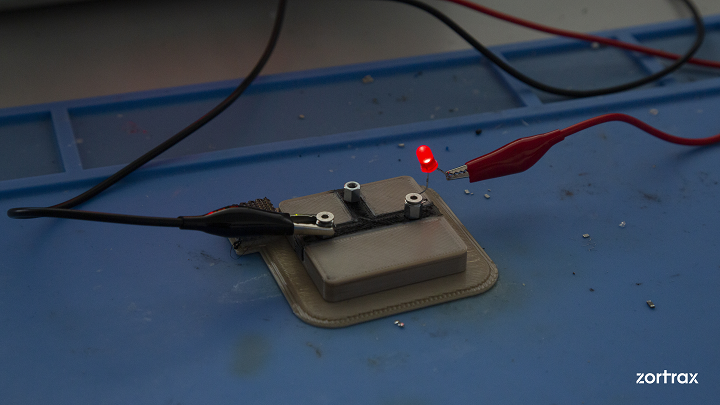
Zortrax PEEK composite model with ESA conductive PEEK
/
Applications and Use Cases
/
/
Company and Business Focus
/
Applications and Use Cases
/
/
/
Applications and Use Cases
/
/
Technology and Innovation
/
Applications and Use Cases
/
/
Company and Business Focus
/
Applications and Use Cases
/
/
/
Applications and Use Cases
/
/
/
Applications and Use Cases
/
/
Company and Business Focus
/
Applications and Use Cases
/
/
/
Applications and Use Cases
/
/
Research and Development
/
Applications and Use Cases
/
/
Company and Business Focus
/
Applications and Use Cases
/
/
/
Applications and Use Cases
/
/
Technology and Innovation
/
Applications and Use Cases
/
/
Company and Business Focus
/
Applications and Use Cases
/
/
/
Applications and Use Cases
/
/
/
Applications and Use Cases
/
/
Company and Business Focus
/
Applications and Use Cases
/
/
/
Applications and Use Cases
/
/
/
Applications and Use Cases
/
/
Company and Business Focus
/
Applications and Use Cases
/
/
/
Applications and Use Cases
/
/
Technology and Innovation
/
Applications and Use Cases
/
/
Company and Business Focus
/
Applications and Use Cases
/
/
/
Applications and Use Cases
/
/
/
Applications and Use Cases
/
/
Company and Business Focus
/
Applications and Use Cases
/
/
/
Applications and Use Cases
/
/
Applications and Use Cases
/
/
Company and Business Focus
/
Applications and Use Cases
/
/
/
Applications and Use Cases
/
/
Technology and Innovation
/
Applications and Use Cases
/
/
Company and Business Focus
/
Applications and Use Cases
/
/
/
Applications and Use Cases
/
/
/
Applications and Use Cases
/
/
Company and Business Focus
/
Applications and Use Cases
/
/
/
Applications and Use Cases
/
/
Research and Development
/
Applications and Use Cases
/
/
Company and Business Focus
/
Applications and Use Cases
/
/
/
Applications and Use Cases
/
/
Technology and Innovation
/
Applications and Use Cases
/
/
Company and Business Focus
/
Applications and Use Cases
/
/
/
Applications and Use Cases
/
/
/
Applications and Use Cases
/
/
Company and Business Focus
/
Applications and Use Cases
/
/
/
Applications and Use Cases
/
/
/
Applications and Use Cases
/
/
Company and Business Focus
/
Applications and Use Cases
/
/
/
Applications and Use Cases
/
/
Technology and Innovation
/
Applications and Use Cases
/
/
Company and Business Focus
/
Applications and Use Cases
/
/
/
Applications and Use Cases
/
/
/
Applications and Use Cases
/
/
Company and Business Focus
/
Applications and Use Cases
/
/
/
Applications and Use Cases
/
The Zortrax Endureal is a third generation industrial LPD Plus 3D printer, with a 400 x 300 x 300 mm build space, and featuring over 30 built-in sensors that work in real-time to guarantee uninterrupted operation in high-tech manufacturing and product development projects. Often used to fabricate components out of high-performance polymers like Z-PEI 9085 and PEEK-based materials already, the Endureal’s dual extrusion technology is typically used to print a model and its support structures out of two different materials. But, the aerospace sector is seeing a higher demand for 3D printed composite parts featuring two high-performance polymers, which is what the ESA and Zortrax have just done.
/
Applications and Use Cases
/
/
Company and Business Focus
/
Applications and Use Cases
/
/
/
Applications and Use Cases
/
/
Research and Development
/
Applications and Use Cases
/
/
Company and Business Focus
/
Applications and Use Cases
/
/
/
Applications and Use Cases
/
/
/
Applications and Use Cases
/
/
Company and Business Focus
/
Applications and Use Cases
/
/
/
Applications and Use Cases
/

/
Applications and Use Cases
/
/
Company and Business Focus
/
Applications and Use Cases
/
/
/
Applications and Use Cases
/
/
Research and Development
/
Applications and Use Cases
/
/
Company and Business Focus
/
Applications and Use Cases
/
/
/
Applications and Use Cases
/
/
/
Applications and Use Cases
/
/
Company and Business Focus
/
Applications and Use Cases
/
/
/
Applications and Use Cases
/
Zortrax 3D printed composite PEEK model with black conductive paths
/
Applications and Use Cases
/
/
Company and Business Focus
/
Applications and Use Cases
/
/
/
Applications and Use Cases
/
/
Research and Development
/
Applications and Use Cases
/
/
Company and Business Focus
/
Applications and Use Cases
/
/
/
Applications and Use Cases
/
/
/
Applications and Use Cases
/
/
Company and Business Focus
/
Applications and Use Cases
/
/
/
Applications and Use Cases
/
/
Applications and Use Cases
/
/
Company and Business Focus
/
Applications and Use Cases
/
/
/
Applications and Use Cases
/
/
Research and Development
/
Applications and Use Cases
/
/
Company and Business Focus
/
Applications and Use Cases
/
/
/
Applications and Use Cases
/
/
/
Applications and Use Cases
/
/
Company and Business Focus
/
Applications and Use Cases
/
/
/
Applications and Use Cases
/
NASA has used Zortrax systems in the past to make tools, so the company’s printers are clearly able to handle aerospace applications already. But now, the ESA has developed an experimental, electrically conductive PEEK material blend, which Zortrax used, together with pure PEEK, to create 3D printed proof of concept composite models, featuring simple electricity, on its Zotrax Endureal.
“Reducing weight is always one of the key design goals in aerospace engineering and it can be done by building parts which serve multiple purposes at once,” explained Michał Siemaszko, Head of Research and Development at Zortrax S.A. “In a standard airplane or spacecraft, you need to include both structural elements and wiring responsible for transferring energy or data between various systems. That is what we aim to solve with 3D printing PEEK components with electrically conductive paths. This way, the structural parts can at the same time perform electricity or data transfer functions without weight penalty incurred for additional wires. Imagine casting a solid steel slab that also works as a USB connector. That’s what the Endureal can do with high- performance polymers.”
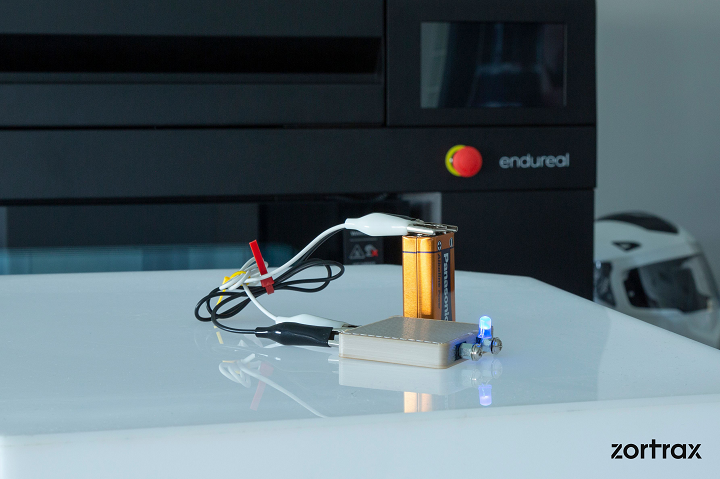
Zortrax composite PEEK model with blue LED
Together with the ESA, Zortrax has successfully 3D printed what it’s calling “the world’s first data transfer device” entirely out of PEEK polymers.
“A data transfer of 9600 bit/s has been achieved between two computers connected with USB cables and USB-RS232 converters through a 3D printed model,” the company stated on its website. “We have also fabricated models with built-in electrically conductive paths.”
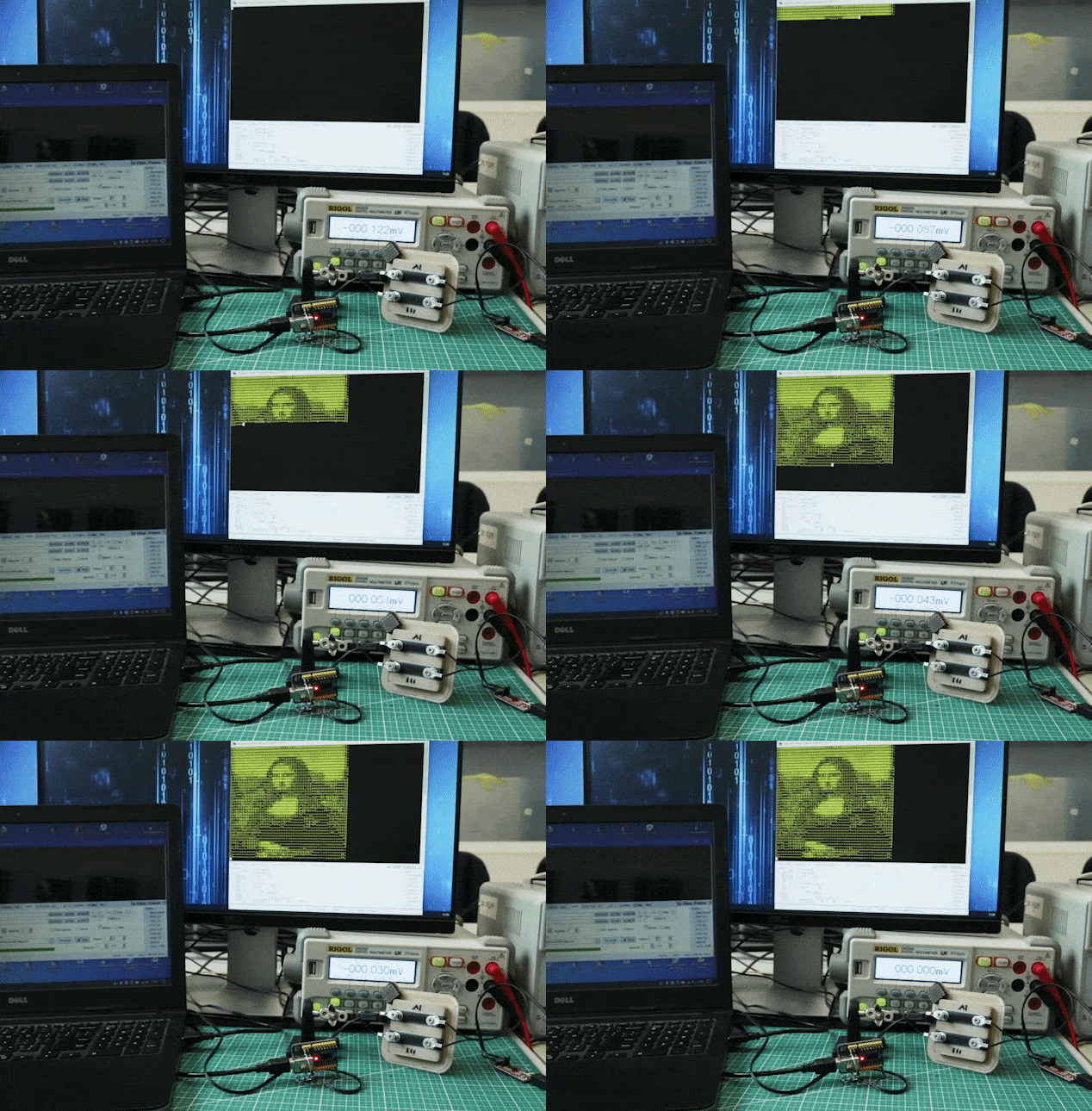
Zortrax composite PEEK model data transfer demonstration
The Zortrax Endureal system is divided into three separate thermally isolated zones: the print chamber, the filament compartment, and the extruder compartment. It was an impressive printer already, with automated annealing and advanced filament sensors, but for the ESA project, the company’s engineering team worked to make it even better. In addition to updating the software and firmware, the industrial printer can now achieve better dimensional accuracy thanks to increased rigidity of the extrusion system, and additional tweaks to the hardware have enabled the Endureal to reach even higher operating temperatures; for instance, the maximum extrusion temperature is now 480°C. Users can now precisely define the temperature in the print chamber, which can now reach 200°C, and the PEI film-covered aluminum built platform can get up to 220°C, which helps decrease material shrinkage and warping.
“The technology we are developing opens up a clear path to use the Zortrax Endureal for 3D printing smart components with built-in electrical circuits, all while retaining excellent thermal and mechanical properties of high-performance polymers like PEEK,” stated Zortrax CEO Rafał Tomasiak. “This will make this printer a powerful tool in the hands of engineers and designers working for high end and demanding application like automotive, aerospace and space. We also expect groundbreaking solutions developed in projects like this one to quickly trickle down to our production level 3D printers.”

Zortrax Endureal
As a bonus for other customers, Zortrax has implemented all of the changes and improvements in the design of the Endureal to all commercially available systems, in order to ensure dual extrusion 3D printing of composite models with pure and conductive PEEK. What this also means is that the technology could eventually make it into space one day, expanding the possibilities of what can be manufactured aboard the ISS or even on potential bases on the Moon.
(Source/Images: Zortrax)
The post ESA and Zortrax 3D Print PEEK Composites for Built-in Electronics appeared first on 3DPrint.com | The Voice of 3D Printing / Additive Manufacturing.
from 3DPrint.com | The Voice of 3D Printing / Additive Manufacturing https://bit.ly/37jRiH0
Related Articles: Researchers 3D Print Lifelike Aortic Valve Model with Built-in Sensors · Scientists 3D Print Metallic Glass Motor Components That Could Make Drones Fly Longer · How We Built a Self-Running Fabrication Publication