

Headquartered in Luxembourg and Russia and founded in 2015, Anisoprint commercialized its own proprietary, science-based version of continuous fiber 3D printing, which it calls composite fiber coextrusion (CFC). The method uses two inputs—one for reinforcement fiber and one for feeding thermoplastic—and one output, and is used to create optimized structures made out of composite materials. Now, the company is launching a new turnkey solution called Desktop Anisoprinting, a full package for continuous fiber printing that includes not only its Composer 3D printer, reinforcing fiber materials, and Aura 3D slicing software, but also some new things as well.
“Adopting new technologies is always a challenge, but it’s the only way to compete and survive in the modern economy. We want to support our customers in this journey and help them to make it smooth,” Anisoprint CEO Fedor Antonov said in a press release. “That’s why we are launching Desktop Anisoprinting — there is everything you need to start 3D printing with composites and introduce yourself to the future of manufacturing.”
Desktop Anisoprinting helps manufacturers achieve the best 3D printed composite parts, without wasting time or money, with the least amount of risk. In addition to the features listed above, this new turnkey solution also includes specially formulated polymer filaments, Smooth PA and CFC PA, which were tailormade and fine-tuned specifically for Anisoprint by AM materials specialist Polymaker.
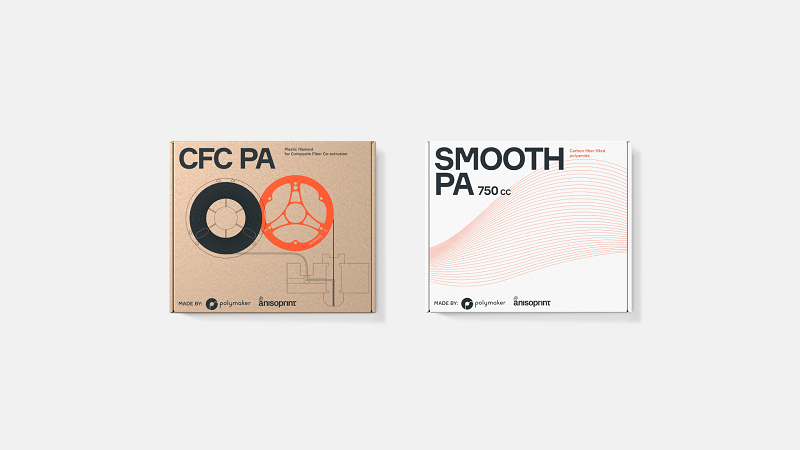
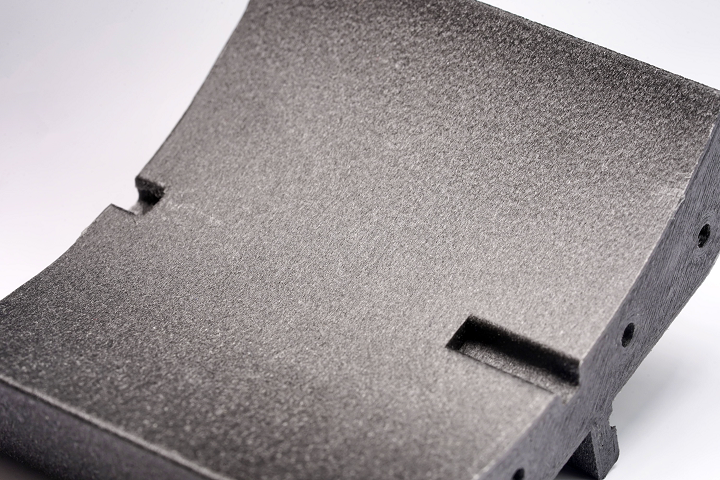
These plastics have two different purposes. First, the Smooth PA, based on carbon fiber-filled polyamide, provides what Anisoprint claims is “perfect surface quality,” with no required drying, and can be used for a part’s external shells.
“Anisoprinting implies a combination of preliminary impregnated and cured fiber with plastic during the printing to get a composite,” the company stated in the press release.
The second new material, CFC PA, was made to provide better composite material mechanics, as well as excellent (again, Anisoprint said “perfect”) adhesion to the reinforcing fiber.

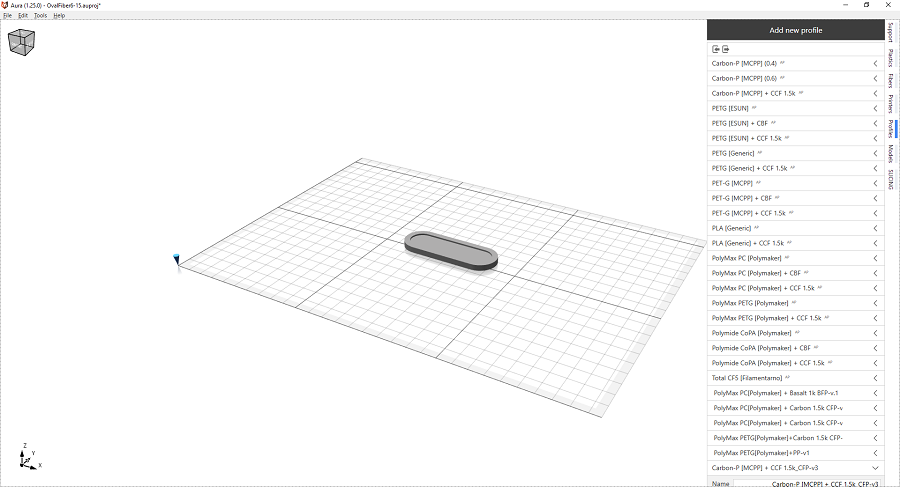
The next feature included in the Desktop Aniosprinting solution is verified print settings for Aura. The company’s team of application engineers developed these 3D printing profiles for a range of different plastic materials, so users can quickly print “perfect” (there’s that word again) composite parts without having to waste time or material looking for the right settings. These verified profiles include multiple settings, such as cooling, layer thickness, print speed, ideal temperature, and more.
Finally, the new turnkey solution from Anisoprint includes online training courses that cover the basics of composite 3D printing. The company’s technology was developed by engineers and scientists with over ten years of experience in 3D composite materials development, and their collective knowledge is included in these special courses, so attendees can learn what they know.
“This way implementation of continuous fiber 3D printing technologies to your manufacturing process will be as if you’re working together with the composite materials experts,” the press release states.
Topics in these courses will include basic composite materials and design, an overview of continuous fiber 3D printing technologies, hardware operation, material properties, and more. You can register for the training courses here. Additionally, Anisoprint is offering a free webinar, “Meet Desktop Anisoprinting,” on Thursday, October 15th, at 11 am EST, in which Antonov will be telling attendees more about the new turnkey solution.
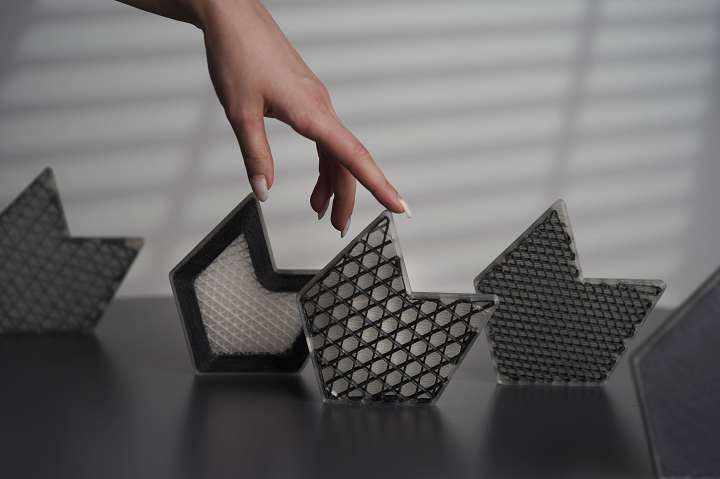
The new Desktop Anisoprinting solution will be available for purchase starting at the end of November.
(Source/Images: Anisoprint)
The post Anisoprint Launches New Carbon Fiber 3D Printing Turnkey Solution appeared first on 3DPrint.com | The Voice of 3D Printing / Additive Manufacturing.
from 3DPrint.com | The Voice of 3D Printing / Additive Manufacturing https://bit.ly/2GFIX5A
Where to Buy Filament
Disclosure: Some of the links below are affiliate links. If you make a purchase, we may earn a commission at no extra cost to you. This helps support this site.
These links go to Amazon with our affiliate tag. If you prefer to support local retailers or buy directly from manufacturers, we encourage that as well!
Related Articles: Arkema Strengthens Partnership with Continuous Composites to Advance Carbon Fiber 3D Printing · Carbon Fiber 3D Printing: Arevo Announces Pre-Orders for 3D Printed Electric Bikes · Makerbot launches Carbon Fiber desktop 3D printers
Frequently Asked Questions
What is the best 3D printing filament for beginners?
PLA is the best starting filament — it prints easily at 190-220°C without an enclosure and produces good results. Once comfortable, PETG offers better strength and temperature resistance for functional parts.
How do I choose the right filament?
Consider the application: PLA for display models, PETG for functional parts, ABS/ASA for heat/sunlight exposure, TPU for flexible parts, and specialty filaments for engineering applications. Each has specific printer requirements.
What temperature should I print different filaments at?
PLA: 190-220°C nozzle / 50-60°C bed. PETG: 220-250°C / 70-80°C. ABS: 230-260°C / 100-110°C (enclosure needed). Nylon: 240-270°C / 70-90°C. Always check manufacturer recommendations for specific brands.
📌 Related Articles
- ABS 3D Printing Settings Guide: Temperature, Enclosure, and Cooling for Strong Parts
- The Current State of Metal 3D Printing in 2020
- Best 3D Printer Upgrades That Actually Improve Print Quality: Complete 2026 Guide
- Best Budget 3D Printer Upgrades That Actually Improve Print Quality: Belts, Springs, Hotends & More
- How Divergent Technologies Is 3D Printing Cruise Missiles for the U.S. Military