
With increasingly stringent standards and regulations governing the aircraft industry, MRO providers must obtain the latest certifications in order to serve their customers, as well as to ensure compliance within their organizations and supply chains. The AS9100 certification standard governs quality management systems in the aerospace industry, and its latest revision AS9100D, updated or changed more than 98% of the previous standard. The revision had broad implications for MRO providers, and introduced a particularly strong focus on accountability, to ensure strict safety protocols and to introduce preventive risk-based thinking, and measures to prevent the use of counterfeit products.
The Role of 3D Printing in Medicine
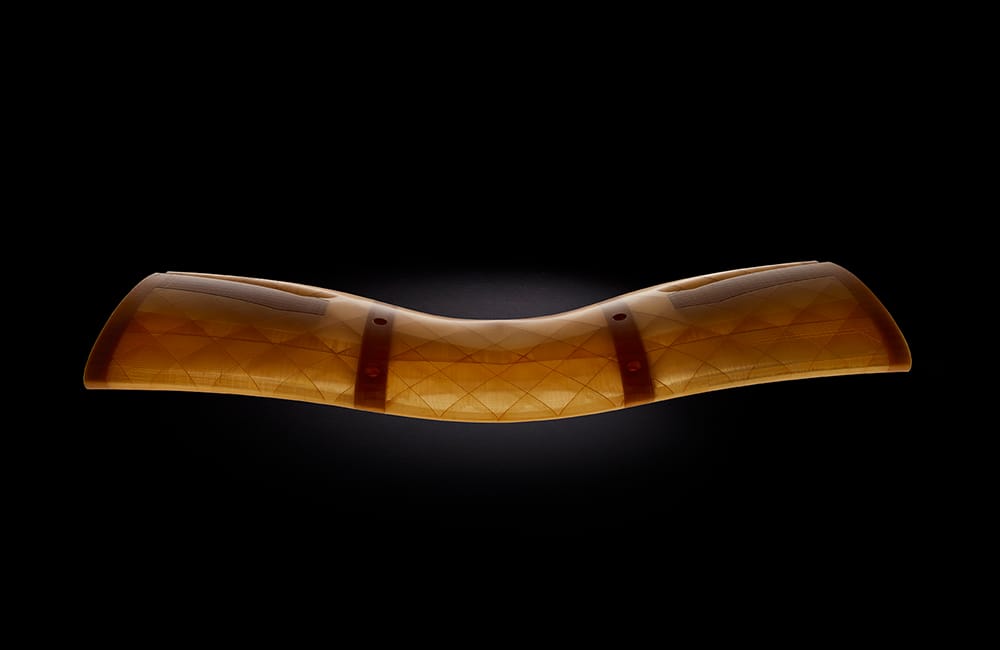
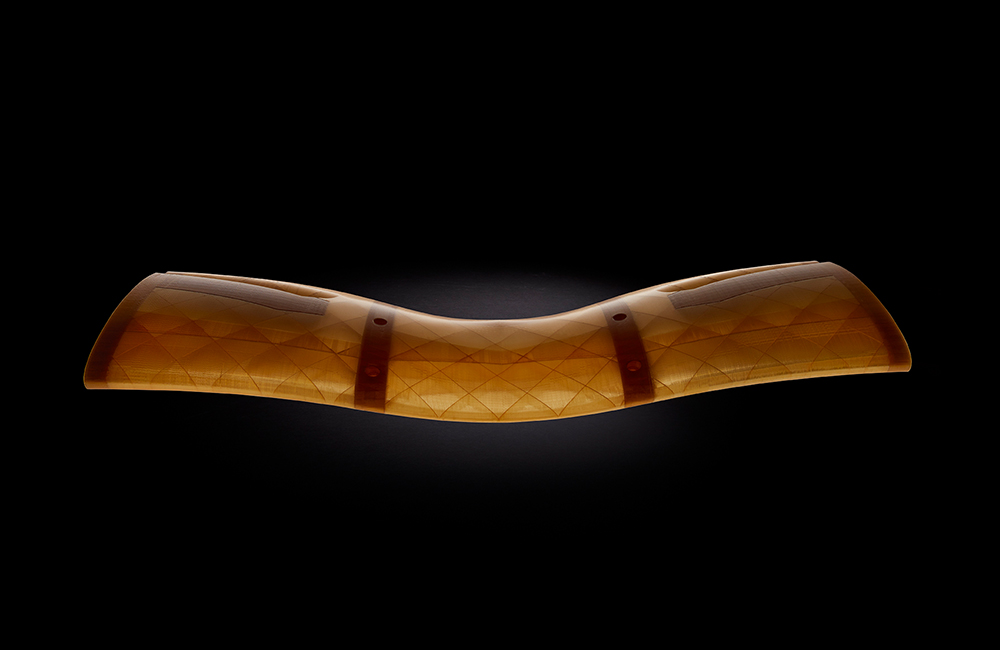
Image courtesy of Additive Flight Solutions.
In a boost to the Singapore-based company’s growing reputation as a provider of additive manufacturing part solutions for aerospace maintenance, repair and overhaul (MRO), Additive Flight Solutions (AFS) has received the AS9100D Certification. It is also now registered with the International Aerospace Quality Group (IAQG), the global body that governs quality management within the worldwide supply chain of the aerospace industry.
This is all the more relevant as additive manufacturing solutions, such as those from AFS, increasingly transform or complement the traditional MRO business in providing parts and services that meet the quality requirements for end-use in aircrafts. A joint venture between major Asia-Pacific MRO provider, SIA Engineering Company (SIAEC), and Stratasys, AFS brings Stratasys’ additive manufacturing expertise and solutions to more than 80 international carriers and aerospace OEMs through SIAEC. AFS provides AM solutions for aerospace certification (such as the Aircraft Interiors Certification Solution), prototyping, manufacturing aids and tooling, and production parts using thermoplastics.
Biocompatible Materials and Processes
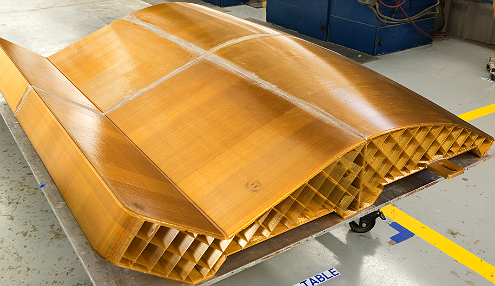
Composite Tooling. Image courtesy of Additive Flight Solutions
In particular, it supplies industry grade parts and services for airplane cabin interiors (sanitizer holders for example) to local and global manufacturers. The AM parts are primarily used as replacements for interior cabin parts, which are low volume, and can often be obsolescent. Regarding the certification, Stefan Roeding, DGM, AFS said,
“From individual part weight reduction to a more comfortable layout and design, the future of aircraft interiors is set to take off in innovative ways. Apart from being a competitive advantage, achieving the AS9100D is a significant milestone for AFS and our parent companies. This certification validates our commitment to drive the development of aerospace applications and deliver reliable and precisely engineered solutions. It gives us immense pride in attaining this globally recognized mark of excellence.”
Clinical Applications and Case Studies
With the AS9100D certification for an AM part provider, aerospace manufacturers can enable partnerships and strengthen confidence in collaborating with AFS to advance next-generation aerospace MRO solutions. See also: ABS 3D Printing Settings Guide: Temperature, Enclo…. AM parts have proven their improved material properties, to deliver better performance, efficiency and flexibility in aerospace manufacturing, design, and supply chains. These parts must also meet requirements from international organizations such as the European Union Aviation Safety Agency (EASA).

Regulatory Considerations and Safety
Image courtesy of Additive Flight Solutions
In other partnerships to advance AM in aerospace MRO, Oerlikon is working jointly with Lufthansa Technik to accelerate AM in MRO applications, EOS is doing the same with Etihad Airways Engineering for cabin parts, and so is Pratt & Whitney working with ST Engineering for aero-engine components. Similarly, Air New Zealand is working with Arcam EBM to produce metal AM parts for aircraft interiors, MRO tooling and product development. Premium Aerotec and Materialise have partnered with Airbus to supply metal and polymer parts respectively. Stratasys has also partnered with Marshall Aerospace and Defense Group to 3D print flight-ready parts as well as ground-running equipment.
The post Additive Flight Solutions Awarded AS9100D Certification for Commercial Aircraft 3D Printing appeared first on 3DPrint.com | The Voice of 3D Printing / Additive Manufacturing.
from Your daily news from 3DPrint.com https://bit.ly/2Dc7Ggq
Frequently Asked Questions
How is 3D printing used in medicine?
3D printing is used in medicine for surgical planning models, custom implants, bioprinting tissue scaffolds, drug delivery systems, dental aligners, and prosthetics. It enables patient-specific solutions that improve outcomes and reduce surgery time.
What materials are biocompatible for 3D printing?
Common biocompatible materials include PEEK, titanium alloys (Ti6Al4V), bio-ceramics (hydroxyapatite), medical-grade resins, PLA for temporary implants, and hydrogels for bioprinting. Material choice depends on the application and required mechanical properties.
Is 3D printed medical equipment FDA approved?
Yes, several 3D printed medical devices have FDA clearance, including orthopedic implants, dental restorations, and surgical guides. Each device must go through the appropriate regulatory pathway based on its risk classification.
📌 Related Articles
- The Current State of Metal 3D Printing in 2020
- ABS 3D Printing Settings Guide: Temperature, Enclosure, and Cooling for Strong Parts
- 3D Printing Safety Equipment Guide: Respirators, Gloves, and Ventilation for 2026
- Best Budget 3D Printer Upgrades That Actually Improve Print Quality: Belts, Springs, Hotends & More
- Best 3D Printer Upgrades That Actually Improve Print Quality: Complete 2026 Guide