
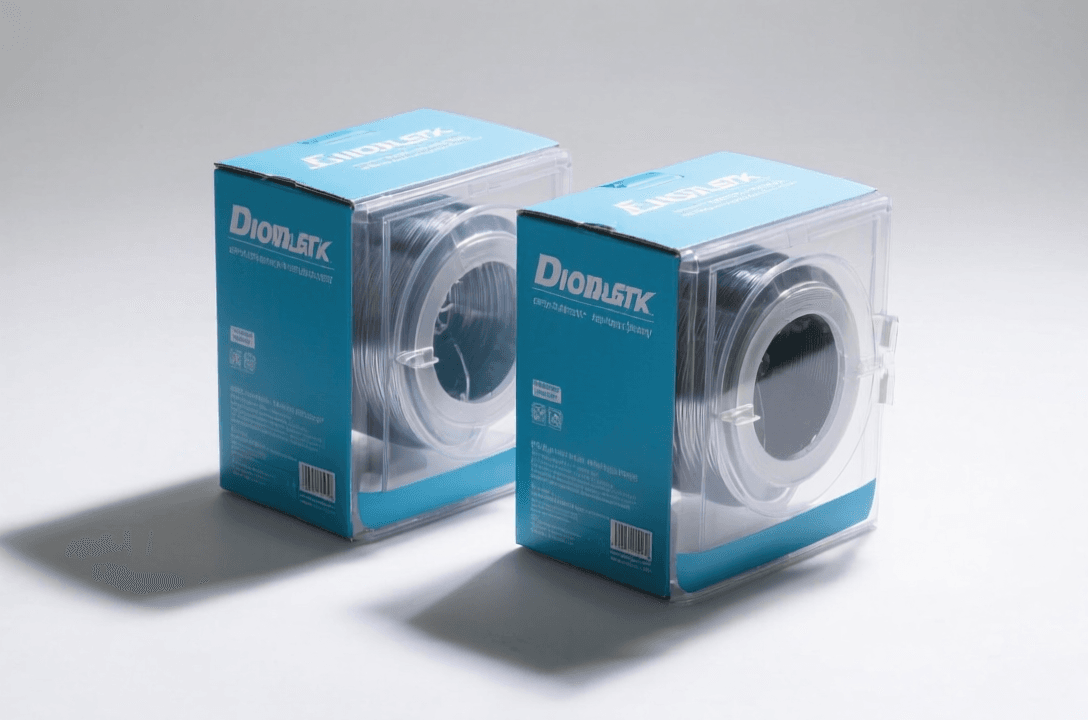
Prevent moisture-caused print failures with the right drying solution
This article contains affiliate links. If you purchase through these links, we may earn a small commission at no extra cost to you. This helps support our site and allows us to continue creating valuable content for 3D printing enthusiasts.
Moisture is the silent killer of 3D print quality. Even a small amount of absorbed water in your filament can cause bubbles, stringing, poor layer adhesion, and nozzle clogs. Whether you live in a humid climate or have older filament that’s been sitting on the shelf, a filament dryer is essential for achieving flawless prints.
In this comprehensive guide, we’ll explore the best filament dryers available in 2026. We’ll cover dedicated dry boxes with temperature control, storage solutions with desiccants, and DIY drying options for every budget.
Why Filament Absorbs Moisture
The Hygroscopic Problem
Most 3D printing filaments are hygroscopic, meaning they naturally absorb moisture from the air. PLA, PETG, ABS, and nylon are particularly susceptible. Over time, moisture works its way into the filament, where it becomes trapped and causes printing issues.
Signs of Wet Filament
When wet filament enters your hotend, the moisture quickly turns to steam. This causes bubbles to form in the extruded plastic, creating poor surface quality and weak prints. The steam can also cause the filament to pop in the nozzle, resulting in inconsistent extrusion and potential clogs.
Dedicated Filament Dryers
SUNLU S4 Filament Dryer Box – Dual Spool Capacity
Best for: Dual spool drying with excellent value
$60-80
The SUNLU S4 offers dual spool capacity at an excellent price point. Both compartments feature independent temperature control, allowing you to dry different materials simultaneously at their optimal temperatures. The transparent window lets you monitor drying progress without opening the box.
- Dual spool capacity – Dry two spools simultaneously
- Independent temperature control – Optimal temps for each material
- Up to 70°C – Handles PLA, PETG, and ABS
- Transparent window – Monitor progress without opening
- Value price point – Excellent features for the price
EIBOS Filament Dryer Box – Single Spool with LCD Display
Best for: Precise temperature control and monitoring
$70-90
EIBOS offers premium features with a large LCD display for precise temperature monitoring. The single spool capacity is perfect for focused drying of one material type at a time, and the compact design saves desk space.
- Large LCD display – Easy temperature monitoring
- Up to 80°C – Handles nylon and polycarbonate
- Timer function – Set precise drying duration
- Compact design – Minimal desk footprint
- Premium build quality – Durable and reliable
Polymaker PolyDryer – Professional Filament Drying Solution
Best for: Professional-quality drying and brand compatibility
$120-150
The Polymaker PolyDryer represents the professional end of filament drying. Designed by one of the most respected filament manufacturers, it features excellent temperature uniformity, a large capacity, and sophisticated humidity control for the most demanding drying needs.
- Professional quality – Manufactured by Polymaker
- Large capacity – Holds multiple large spools
- Precise temperature control – Excellent uniformity
- Humidity monitoring – Know when drying is complete
- Premium build – Durable and reliable for long-term use
Drying Temperatures and Times
| Filament | Drying Temp | Drying Time |
|---|---|---|
| PLA | 45-55°C | 4-6 hours |
| PETG | 65-75°C | 6-8 hours |
| ABS | 80-90°C | 8-12 hours |
| Nylon | 70-80°C | 12-24 hours |
| Polycarbonate | 80-100°C | 12-24 hours |
Filament Storage Solutions
3D Printing Filament Vacuum Sealing Bags with Pump
Best for: Long-term moisture-free storage
$20-30
Vacuum sealing bags provide excellent long-term storage for filament. After drying your filament, vacuum seal it to prevent moisture reabsorption. The included hand pump makes sealing easy without requiring expensive equipment.
- Vacuum sealing – Removes air and moisture
- Hand pump included – No equipment needed
- Multiple sizes – Accommodate different spools
- Reusable design – Open and reseal as needed
- Cost-effective storage – Cheap moisture prevention
Silica Gel Desiccant Packs for Filament Storage (50 Pack)
Best for: Ongoing moisture control in storage containers
$15-25
Silica gel desiccants absorb moisture from the air inside storage containers. This 50-pack provides long-term moisture control for multiple spools. The indicator packs change color when saturated, making it easy to know when replacement is needed.
- 50 pack value – Multiple storage containers
- Color indicator – Know when replacement needed
- Rechargeable – Heat to dry and reuse
- Cost-effective – Inexpensive moisture control
- Universal compatibility – Works with any storage container
DIY Drying Solutions
Food Dehydrator Method
A food dehydrator can serve as an excellent filament dryer. Set the temperature according to your material’s drying requirements and place the spool inside. Ensure the dehydrator has enough clearance to avoid touching heating elements. Most food dehydrators offer temperature control, making them versatile for multiple filament types.
Oven Drying (With Caution)
A conventional oven can dry filament, but requires extreme care. Set the temperature to your material’s drying temperature and place the spool on the middle rack. Never exceed recommended temperatures, and use an oven thermometer to verify actual temperature. This method carries the highest risk of deformation but is accessible if no other options are available.
Choosing the Right Dryer
For Humid Climates
If you live in a humid environment, a dedicated dryer is essential. Constant humidity will quickly re-moisturize dried filament, so a dryer that stays plugged in and maintains dry air is ideal. Look for models with humidity monitoring to track effectiveness.
For Occasional Use
If you only need to dry filament occasionally, vacuum sealing bags with desiccants provide excellent value. Dry the filament once, vacuum seal it, and it will stay moisture-free for months. This approach requires less investment and desk space.
For High-Volume Printing
High-volume printers benefit from larger capacity dryers or multi-spool designs. SUNLU’s dual spool dryer or Polymaker’s PolyDryer provide excellent solutions for keeping multiple spools dry and ready to print. The investment pays for itself in reduced failed prints and material waste.
Troubleshooting Moisture Issues
Solution: Immediately pause printing and dry the filament. Bubbling indicates significant moisture absorption. After drying, try printing at the material’s minimum effective temperature to minimize any residual moisture issues.
Solution: Dry the filament for the recommended time at its optimal temperature. Check for consistent diameter with calipers – swollen filament from moisture can also cause these symptoms. If problems persist, try a fresh spool from a vacuum-sealed package.
Solution: Moisture causes filament to degrade and become sticky in the nozzle. Dry the filament thoroughly and ensure your hotend temperature is adequate for the material. Regular cold pulls with nylon filament can also clear moisture-related residue from the nozzle.
Conclusion
Moisture in filament is one of the most common causes of 3D printing frustration, but it’s also one of the easiest to solve. A dedicated filament dryer provides consistent, reliable drying for all your materials, while vacuum sealing and desiccants offer excellent storage solutions.
Choose the right solution based on your printing volume and budget. Occasional printers benefit from vacuum bags with desiccants, while high-volume users should invest in a quality dryer like the SUNLU S4 or Polymaker PolyDryer. Your future prints will be dramatically better, with fewer failures, better surface quality, and stronger parts.
Remember that prevention is key – dry your filament when you first receive it, store it properly, and re-dry periodically if you live in a humid climate. Your prints will thank you.
Happy printing!
Where to Buy
As an Amazon Associate, we earn from qualifying purchases.
Frequently Asked Questions
What is the best 3D printing filament for beginners?
PLA is the best starting filament — it prints easily at 190-220°C without an enclosure and produces good results. Once comfortable, PETG offers better strength and temperature resistance for functional parts.
How do I choose the right filament?
Consider the application: PLA for display models, PETG for functional parts, ABS/ASA for heat/sunlight exposure, TPU for flexible parts, and specialty filaments for engineering applications. Each has specific printer requirements.
What temperature should I print different filaments at?
PLA: 190-220°C nozzle / 50-60°C bed. PETG: 220-250°C / 70-80°C. ABS: 230-260°C / 100-110°C (enclosure needed). Nylon: 240-270°C / 70-90°C. Always check manufacturer recommendations for specific brands.
📌 Related Articles
- Best 3D Printer Upgrades That Actually Improve Print Quality: Complete 2026 Guide
- The Ultimate Guide to 3D Printer Calibration: Complete Step-by-Step Manual
- ABS 3D Printing Settings Guide: Temperature, Enclosure, and Cooling for Strong Parts
- 3D Printing Safety Equipment Guide: Respirators, Gloves, and Ventilation for 2026
- Best Budget 3D Printer Upgrades That Actually Improve Print Quality: Belts, Springs, Hotends & More