
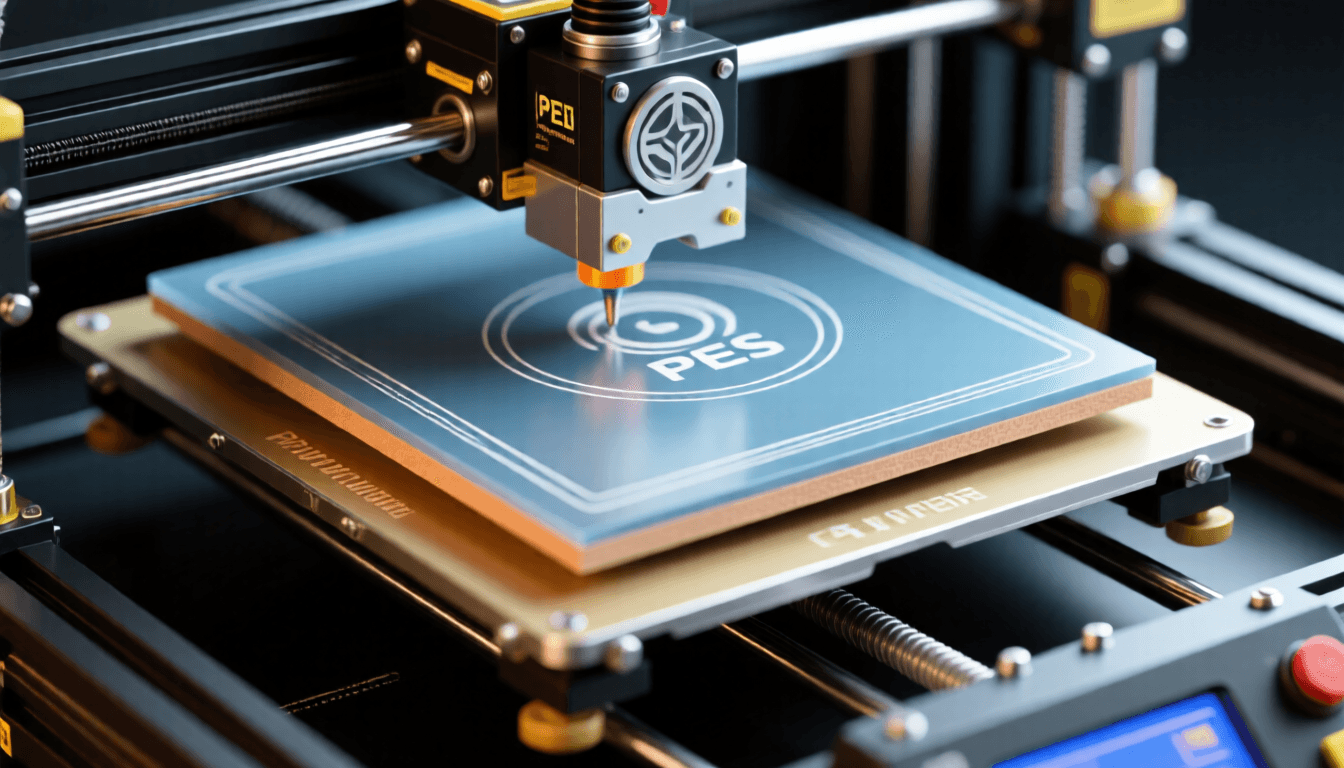
Best 3D Printer Build Surfaces and Bed Materials for 2026: PEI, Glass, and More
A successful 3D print starts with the first layer, and the build surface you choose determines whether your model sticks properly or fails before it even gets going. The best 3D printer build surface depends on the filament you print, the size of your models, and how you prefer to remove finished parts. PEI sheets offer semi-permanent adhesion with minimal preparation, glass beds provide perfect flatness for large prints, spring steel plates let you flex parts off easily, and specialized surfaces like garolite handle high-temperature materials like ABS and nylon.
Disclosure: As an Amazon Associate, 3dput.com earns from qualifying purchases. This supports our independent testing and reviews.
In this guide, we compare the most effective 3D printer bed materials and build surfaces, explain which materials work best with different filaments, and cover proper maintenance and troubleshooting techniques.
Quick Picks
- Best Overall: PEI Spring Steel Sheet with Magnetic Base
- Best for Easy Removal: Double-Sided Spring Steel Sheet
- Best for Large Prints: Borosilicate Glass Build Plate Kit
- Best for High-Temp Materials: Garolite Build Plate Sheet
Comparison Table
| Surface Type | Best For | Compatibility | Removal |
|---|---|---|---|
| PEI Spring Steel | Daily printing, multiple materials | PLA, PETG, ABS, TPU | Easy |
| Textured PEI | PLA, PETG without adhesives | PLA, PETG | Easy |
| Borosilicate Glass | Large prints, flatness critical | PLA, PETG | Medium |
| Garolite | ABS, Nylon, high-temp materials | ABS, PETG, Nylon | Medium |
Best 3D Printer Build Surfaces
3D Printer PEI Sheet – Spring Steel Platform with Magnetic Base
Best for: Printers who want versatility and easy part removal without sacrificing adhesion.
This spring steel PEI sheet combines the flexible removal benefits of magnetic systems with the reliable adhesion of PEI coating. The magnetic base makes plate swaps quick, and the steel construction stays flat over time even with repeated heating and cooling. The PEI surface works with PLA, PETG, and ABS without additional adhesives, though a light cleaning with IPA before each print is recommended.
- Pros: Flexible removal, excellent adhesion, stays flat, easy to swap
- Cons: PEI coating wears over time, may need replacement after heavy use
Textured PEI Build Plate with Magnetic Base for Ender 3/V2/Pro/S1
Best for: Ender 3 series users printing PLA and PETG who want a textured bottom finish.
This textured PEI surface provides excellent adhesion for PLA and PETG without the need for glues, hairspray, or tapes. The textured surface creates a professional-looking bottom finish on parts and helps with part release when the bed cools. The magnetic base allows easy removal from the printer, and the PEI coating can be refreshed with light sanding when adhesion starts to decline.
- Pros: Textured finish, good PLA/PETG adhesion, no extra adhesives needed
- Cons: Textured surface not ideal for all applications, may struggle with ABS
Borosilicate Glass Build Plate Kit for Ender 3, Prusa i3 MK3S, and CR-10
Best for: Large prints where bed flatness is critical and users prefer glass durability.
Borosilicate glass offers exceptional flatness and thermal stability, making it ideal for large models that require precise first-layer geometry. This kit includes glass plates compatible with popular printer models, and the glass surface can be used with adhesives like hairspray, glue sticks, or painter’s tape. Glass is nearly indestructible and lasts for years, though it requires adhesive application for most materials.
- Pros: Perfectly flat, durable for years, easy to clean, works with any adhesive
- Cons: Requires adhesives for most filaments, parts can stick too hard
3D Printer Spring Steel Sheet with PEI Coating – Double-Sided Smooth/Textured
Best for: Users who want one surface for both smooth and textured finishes.
This double-sided spring steel sheet offers versatility with smooth PEI on one side and textured PEI on the other. The smooth side works well for most printing applications and provides clean bottom surfaces, while the textured side adds grip for difficult materials. Spring steel construction allows you to flex the plate to pop parts off easily, and the PEI coating provides reliable adhesion for multiple filament types.
- Pros: Two surfaces in one, flexible removal, good adhesion, stays flat
- Cons: PEI coating wears on both sides, may require replacement periodically
Garolite Build Plate Sheet – High Temperature Resistant for ABS, PETG, Nylon
Best for: High-temperature materials like ABS, PETG, and nylon that require sustained bed heat.
Garolite is a fiberglass-reinforced material that withstands high bed temperatures without warping or degrading, making it ideal for ABS, nylon, and other temperature-sensitive filaments. The surface provides good adhesion with minimal preparation and can be used with ABS juice, glue stick, or PVA glue for enhanced grip. Garolite maintains flatness at high temperatures and resists thermal cycling.
- Pros: High-temp resistant, stays flat when hot, good for ABS/nylon, durable
- Cons: Requires adhesives for best results, not as flexible as spring steel
Masking Tape Blue Painter’s Tape – 2-inch 60-yard Roll for Adhesion Boost
Best for: PLA and PETG printers needing a simple, inexpensive adhesion boost.
Blue painter’s tape works particularly well with PLA. The tape provides a slightly rough surface that helps the first layer grip, and parts can usually be removed by peeling the tape away from the bed. This 2-inch roll offers good coverage for most bed sizes, and the tape is easy to apply and replace when worn or contaminated.
- Pros: Inexpensive, easy to apply, works well with PLA, easy cleanup
- Cons: Not suitable for high-temp materials, tape edges can print through
Kapton Tape High Temperature Polyimide Tape
Best for: ABS and high-temperature prints requiring a heat-resistant adhesion surface.
Kapton tape can withstand bed temperatures up to 260°C, making it suitable for ABS and other high-temp materials. The tape provides a smooth surface that helps with first-layer adhesion while allowing part removal when cooled. Unlike painter’s tape, Kapton does not leave residue and can be reused multiple times if kept clean.
- Pros: High-temp resistant, smooth surface, reusable, no residue
- Cons: More expensive than painter’s tape, harder to apply smoothly
Hair Spray for 3D Printing Bed Adhesion – Professional Formula
Best for: Printers using glass or metal surfaces who want a versatile adhesion solution.
This professional hair spray formula provides excellent adhesion for PLA, PETG, and ABS when applied to glass or metal build surfaces. The spray creates a thin, even coating that helps the first layer stick and can be adjusted for more or less grip depending on application thickness. It works particularly well with glass beds and can be cleaned off with IPA.
- Pros: Versatile for multiple materials, adjustable adhesion, works on glass and metal
- Cons: Can be messy to apply, requires ventilation, may need reapplication
Buying Guide: Choosing the Right Build Surface
Filament Compatibility
PLA works well with PEI, textured surfaces, painter’s tape, or hairspray. PETG benefits from textured PEI, smooth PEI with slight adhesion boost, or glass with hairspray. ABS requires PEI with glue stick, garolite with ABS juice, or Kapton tape at high bed temperatures. TPU prints best on PEI surfaces with increased bed temperature and textured surfaces for better grip. Nylon and other high-temperature materials perform well on garolite or PEI with PVA glue.
Surface Type Tradeoffs
PEI sheets offer semi-permanent adhesion with minimal daily preparation and work with multiple materials, but the coating wears over time and typically needs replacement every 3-6 months. See also: Best 3D Printer Upgrades That Actually Improve Pri…. Glass beds provide perfect flatness and last for years, but they require adhesives for most filaments. Spring steel sheets combine flexible removal with good adhesion and stay flat better than flexible films alone. Garolite excels at high-temperature printing but requires adhesive application.
Maintenance and Bed Leveling
Clean your build surface with isopropyl alcohol before each print to remove oils and residue that affect adhesion. For PEI surfaces, lightly burnish with fine steel wool or sandpaper when adhesion starts to decline. Avoid metal scrapers on delicate surfaces like PEI to prevent scratches. Proper bed leveling is critical regardless of surface type. Use the paper method or a feeler gauge to set the correct nozzle height across the entire bed for even first-layer thickness.
Troubleshooting Common Issues
If prints are not sticking, clean the surface with IPA, increase bed temperature slightly, or add a light adhesive coating. If parts are stuck too hard, try lowering the bed temperature, using adhesive more sparingly, or switching to a different surface with less aggressive grip. Warping and edge lifting can be reduced by using an enclosure, reducing part cooling fan speed, or choosing a textured surface with adhesives.
Which Build Surface Is Best for You?
Choose a PEI spring steel sheet with magnetic base if you want versatility and easy removal for daily printing with multiple materials. Pick textured PEI if you primarily print PLA and PETG and prefer a professional bottom finish without additional adhesives. Select borosilicate glass for large prints where bed flatness is critical. Choose garolite for ABS, nylon, and other high-temperature materials. Start with painter’s tape or hairspray if you are on a budget.
FAQ
How often should I clean my 3D printer build surface?
Clean your build surface with isopropyl alcohol before every print to remove oils, dust, and residue that affect first-layer adhesion. A quick wipe with IPA takes seconds and prevents many common printing problems.
Why does my first layer not stick even with PEI?
PEI surfaces can become contaminated with oils from handling or leftover filament residue. Clean thoroughly with IPA, and if adhesion is still poor, lightly sand or burnish the surface with fine steel wool to refresh the PEI coating.
Can I use the same build surface for PLA and ABS?
Yes, PEI surfaces work for both PLA and ABS, though ABS typically requires additional adhesive like glue stick or ABS juice for reliable adhesion. Garolite and certain glass surfaces with proper adhesives also handle both materials well.
How do I remove parts that are stuck too hard to the bed?
Let the bed cool completely, then use a thin scraper or razor blade at a shallow angle. For magnetic spring steel plates, gently flex the sheet to release parts. Avoid prying aggressively to prevent surface damage.
When should I replace my PEI sheet?
Replace your PEI sheet when adhesion becomes inconsistent even after cleaning and burnishing, when you see visible scratches or delamination, or when the surface starts to bubble or peel at the edges. Most PEI sheets last 3-6 months with regular use.
Do I need adhesives with PEI surfaces?
PEI generally works well for PLA and PETG without additional adhesives. However, ABS, nylon, TPU, and other materials often benefit from glue stick, hairspray, or specialized adhesives even on PEI surfaces.
What is the best build surface for TPU printing?
Textured PEI surfaces or smooth PEI with slightly increased bed temperature work well for TPU. The flexible nature of TPU benefits from surfaces that provide consistent grip without being too aggressive, as overly sticky surfaces can make flexible parts difficult to remove.
Where to Buy
Conclusion
The right 3D printer build surface transforms your printing experience from frustrating to reliable. PEI sheets with magnetic bases offer the best balance of versatility and convenience for most users, while glass beds provide unmatched flatness for large prints. Specialized surfaces like garolite handle high-temperature materials effectively, and adhesion aids like painter’s tape, Kapton tape, and hairspray provide inexpensive solutions for specific applications. Match your surface choice to the materials you print most often, maintain it properly with regular cleaning, and adjust your bed leveling and first-layer settings to optimize for your specific setup. With the right surface and proper technique, first-layer problems become a thing of the past.
📌 Related Articles
- ABS 3D Printing Settings Guide: Temperature, Enclosure, and Cooling for Strong Parts
- Best 3D Printer Upgrades That Actually Improve Print Quality: Complete 2026 Guide
- 3D Printing Safety Equipment Guide: Respirators, Gloves, and Ventilation for 2026
- Best Budget 3D Printer Upgrades That Actually Improve Print Quality: Belts, Springs, Hotends & More
- Creality Creality Ender 3 V3 Plus vs Creality Ender 3 Pro: Full Specs Comparison & Buyer’s Guide