
Researchers from Spain are investigating more effective 3D printing materials with different techniques in the recently released ‘Investigation of a Short Carbon Fibre-Reinforced Polyamide and Comparison of Two Manufacturing Processes: Fused Deposition Modelling (FDM) and Polymer Injection Moulding (PIM).’
FDM 3D printing is extremely common for digital fabrication by users on all levels, beneficial due to affordability and accessibility—and offering a way to create complex structures for many different applications today, from medical to bioprinting, automotive, and aerospace. Selective laser sintering (SLS) and selective laser melting (SLM) are also methods preferred in manufacturing today, although the researchers note that FDM 3D printing is ‘more developed,’ with the following popular polymers:
- Acrylonitrile butadiene styrene (ABS)
- Polylactic acid (PLA)
- Polyvinyl alcohol (PVA)
- Polyamides (PA)
- Polyether ether ketone (PEEK)
Poor mechanical properties are an ongoing issue, related to varying parameters, issues with adhesion, and materials which are not suitable. Composites are often used as a solution, with many different projects employing additives making up new materials like bronze PLA, composite hydrogels, and numerous metals. Carbon and glass are common additions used for strengthening the polymeric matrix, but the researchers note that they have not been the subject of comprehensive studies.
The Role of 3D Printing in Medicine
CarbonXTM CRF-Nylon was used with an Ultimaker 2 Extended + to fabricate the samples, designed with Autodesk Inventor, and sliced with Cura 3.5.1.
Biocompatible Materials and Processes
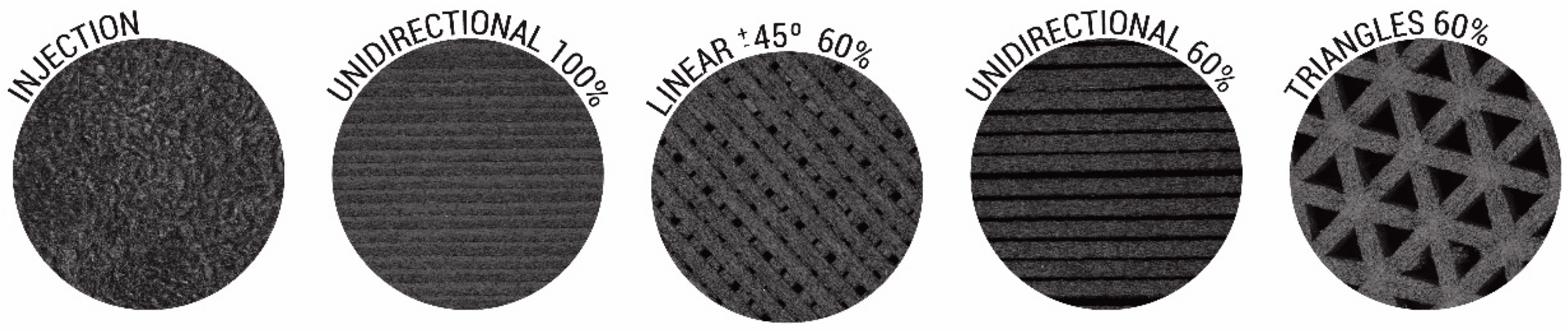
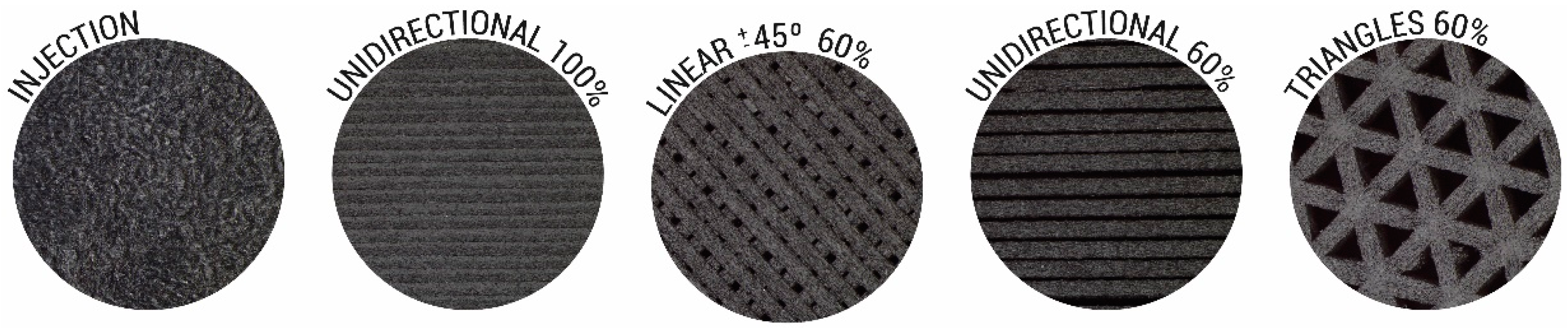
Stereomicroscope images (×1.25) of the appearance of the injected and different patterned printed samples.
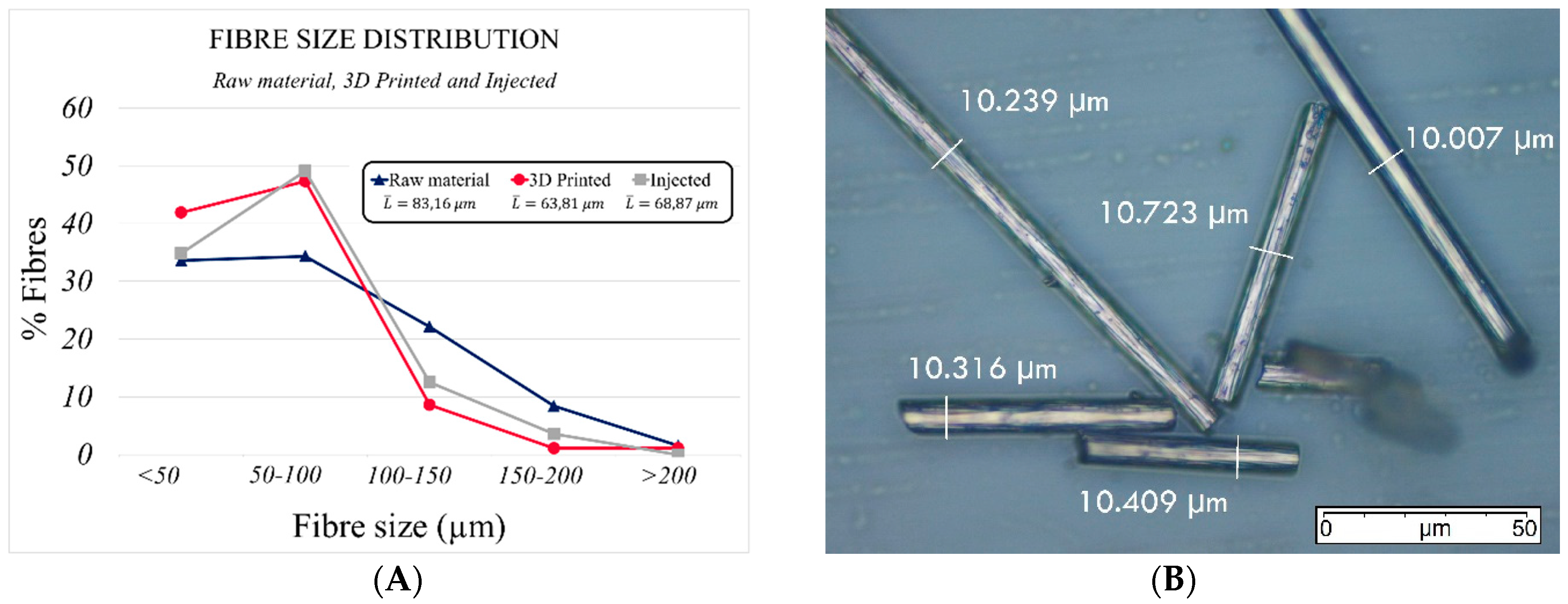
The authors, comparing 3D printing and injection molding capabilities, evaluated fiber length first.
Clinical Applications and Case Studies
Results of the fibre length distribution in the raw material, injected and printed samples (A) and measurement of diameters in fibres using 400× with a microscope (B).
“The critical length obtained by Equation (1) was Lc=253 μm. Therefore, as the length of the fibers inside the matrix was shorter than the critical theoretical value, the reinforcing effect would be lower than for a fiber length longer than the critical one, especially in the tensile test,” explained the researchers. “Nevertheless, fibers with a longer length than the critical one was observed after both manufacturing processes; that is, 3D-printing and injection molding. As a result, the reinforcing effect would take place, but to a lower extent and only as a result of the longest fibers.”
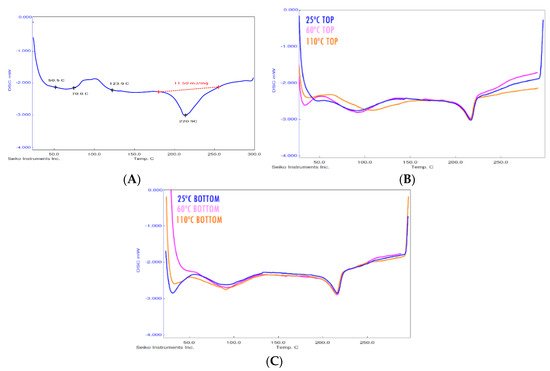
Results also displayed no variations in the crystallization peak, whether evaluating the start or ending point.
Regulatory Considerations and Safety
The DSC analysis of the samples printed at different built plate temperatures to analyse the influence of the thermal environment on the degree of crystallinity. The DSC analysis of raw material is shown in (A), the top parts are the analyses shown in (B) and the bottom parts are the analyses shown in (C).
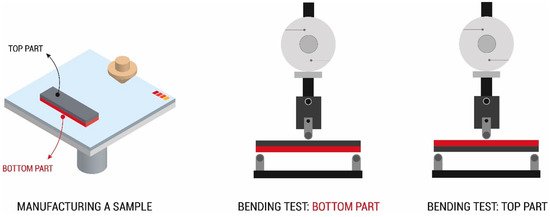
Positioning samples in the bending test, labelled (top and bottom) according to printing placement.
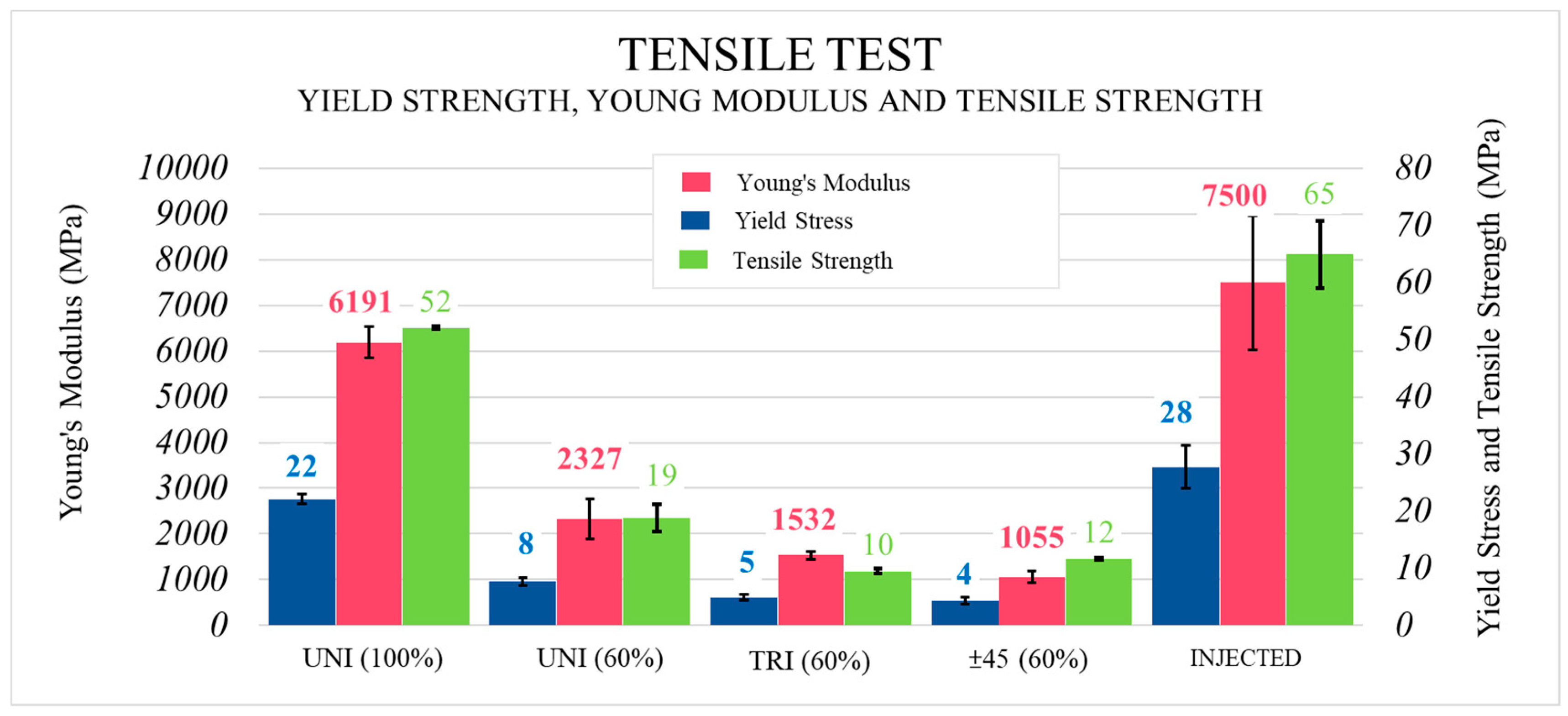
‘Marked differences’ were found when comparing 60 percent and 100 percent filled parts—with infill density showing a noticeable impact on mechanical parameters.
Research Breakthroughs and Innovations
Tensile test. See also: Best 3D Printer Upgrades That Actually Improve Pri…. Results obtained for Young’s Modulus, yield strength and tensile strength of the injected and 3D printed samples.
“Compared to tensile tests, compression tests revealed a more similar behavior of 3D printed parts and IM parts (only 4% improvement). Printed samples had higher stiffness values than the IM parts,” concluded the researchers. “This phenomenon has not been reported by other researchers. The selection of pattern is a determinant in this case since a hardening effect with the strain appeared for those manufactured using a non-unidirectional pattern, but without reaching the best results.”
“The comparison between the tensile and compression tests revealed that this reinforced polyamide did not behave the same under compressive and stretching loads, regardless of the manufacturing process. Consequently, as previously reported in the literature, it is crucial to analyze the application for which parts are designed. These outcomes are a novel contribution to the existing literature.”
What do you think of this news? Let us know your thoughts! Join the discussion of this and other 3D printing topics at 3DPrintBoard.com.
The Future of Bioprinting and Medical AM
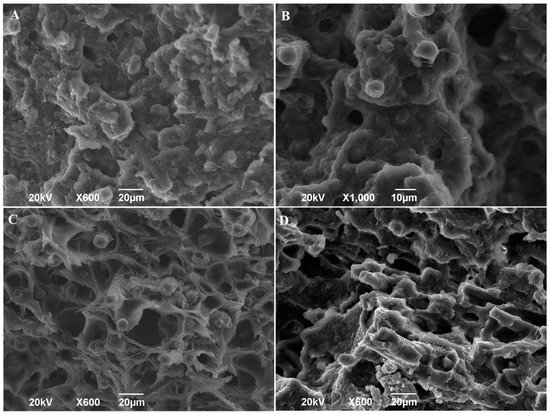
Fractographies of tested tensile samples: (A) Injection moulding 600×; (B) injection moulding 1000×; (C) 3D printed unidirectional 0° 600×; (D) 3D printed ±45° 600×.
[Source / Images: ‘Investigation of a Short Carbon Fibre-Reinforced Polyamide and Comparison of Two Manufacturing Processes: Fused Deposition Modelling (FDM) and Polymer Injection Moulding (PIM)’]
The post Short Carbon Fibre-Reinforced Polyamide Using FDM 3D Printing vs. Polymer Injection Molding appeared first on 3DPrint.com | The Voice of 3D Printing / Additive Manufacturing.
Frequently Asked Questions
How is 3D printing used in medicine?
3D printing is used in medicine for surgical planning models, custom implants, bioprinting tissue scaffolds, drug delivery systems, dental aligners, and prosthetics. It enables patient-specific solutions that improve outcomes and reduce surgery time.
What materials are biocompatible for 3D printing?
Common biocompatible materials include PEEK, titanium alloys (Ti6Al4V), bio-ceramics (hydroxyapatite), medical-grade resins, PLA for temporary implants, and hydrogels for bioprinting. Material choice depends on the application and required mechanical properties.
Is 3D printed medical equipment FDA approved?
Yes, several 3D printed medical devices have FDA clearance, including orthopedic implants, dental restorations, and surgical guides. Each device must go through the appropriate regulatory pathway based on its risk classification.
📌 Related Articles
- The Current State of Metal 3D Printing in 2020
- Best 3D Printer Upgrades That Actually Improve Print Quality: Complete 2026 Guide
- 3D Printing Tungsten Carbide: How Hot-Wire Laser Technology Creates Metal Harder Than Steel
- Best Budget 3D Printer Upgrades That Actually Improve Print Quality: Belts, Springs, Hotends & More
- 3D Printing News: Multi-Material Breakthrough and Aerospace Market Boom