
At the moment, there are news stories about various ways that 3D printing is being used to address the COVID-19 coronavirus pandemic. Many of these stories are being sent to us directly, hoping to spread the word. For this reason, we will be publishing a series of articles discussing some of the ways that additive manufacturing (AM) has so far served medical efforts. However, it’s important during a time of overwhelming media hype and disinformation, that we look at these stories with a critical eye.
We’ve already learned how information about the current pandemic can be notoriously questionable. The reporting methods for the virus are varying from country to country, even town to town, as is the testing. Exact government responses to the pandemic are being challenged, making it difficult to find decent authorities on the topic. And, thanks to the power of social media, everyone has become an expert. As the exact origins of the virus are still hotly debated, conspiracy theories are abound that ask whether or not it came from a seafood market, leaked from a bioweapons lab in China or the U.S., is part of an economic war between the U.S. and China, was linked to the “vaping flu” that was reported in fall of 2019, or has something to do with research conducted by the Bill & Melinda Gates Foundation. Even massive celebrities are chiming in with their own conspiracies.
Just as muddled as this information is, so too can the news about the use of 3D printing to respond to the medical emergency. How helpful are 3D-printed medical devices? Are they safe? Are they sanitary? If you remember the wave of news coverage related to 3D-printed prosthetics several years ago, you can get a sense for the questions we ought to be asking about the current wave of stories related to 3D printing in response to COVID-19. Though they are full of potential, are an important method for framing the question about the cost of medical devices, many 3D-printed prosthetics are not strong enough to serve a functional purpose beyond aesthetics and simple grasping.
The Role of 3D Printing in Medicine
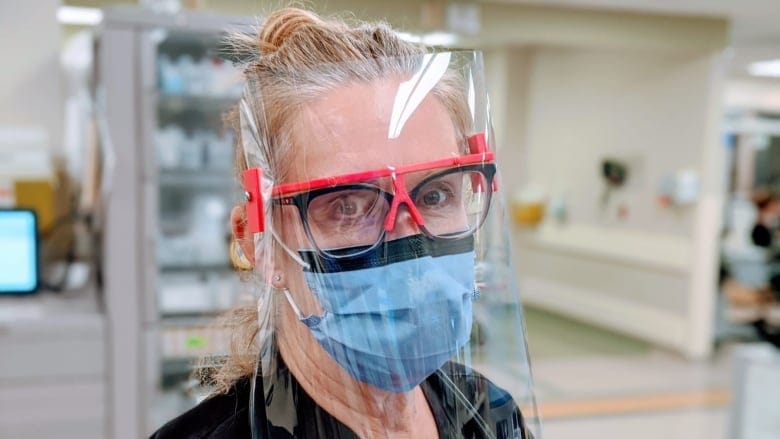
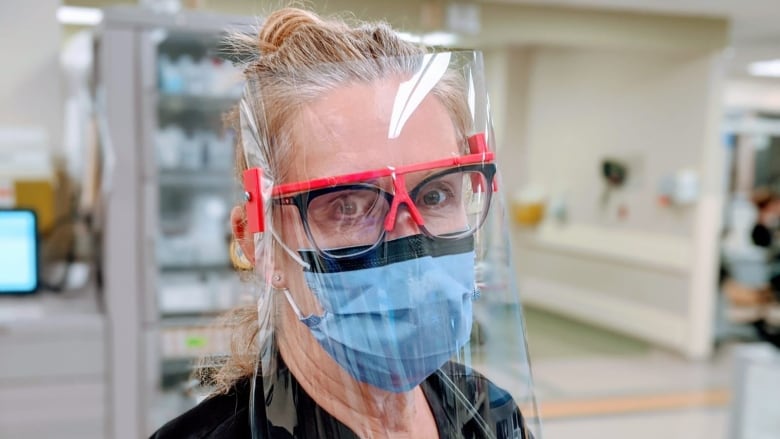
An example of this with regard to the current coronavirus outbreak is the difference between a 3D-printed part that can be used to hold a mylar sheet to create a face mask and a completely 3D-printed ventilator mask. The former, created by Dr. Tarek Loubani in London, Canada, would appear to be relatively safe due to the fact that its main function is to act as an interface for wearing a piece of mylar, which will not suffer from the porosity typically associated with 3D printing. The latter, recently introduced by the generally admirable WASP company in Italy raises questions about how to sterilize such a device, given the likely porosity of the parts. That isn’t to say that the latter device may not be useful, especially if needed quickly or later on when medical standards are in place, but just that its safety is not fully accounted for. We will cover both of these stories in more depth in subsequent articles in this series, but wanted to introduce them here to provide a sense of the potential issues associated with these stories.
Biocompatible Materials and Processes
A face mask 3D printed by Dr. Tarek Loubani. Image courtesy of Tarek Loubani.
Not only do we have to be concerned about the validity and safety of the current string of coronavirus-3D printing news stories, but many responses from the AM industry and from industry in general can seem as though they are attempting to exploit the situation for financial gain. See also: ABS 3D Printing Settings Guide: Temperature, Enclo…. Similar to how 3D printing a controversial or novel product (e.g., sex toys, food, etc.) can bring attention to one’s business, so too can printing medical devices in an emergency. Piling up alongside emails from care letters from our credit card companies, video streaming services, and companies whose products we purchased once five years ago, are the innumerable emails from 3D printing businesses about how AM can be used to continue design and engineering work while quarantined at home.
All of this is to say that we should be skeptical when approaching the topic of how 3D printing can aid in the current COVID-19 pandemic. Nevertheless, there is a large possibility that AM could be very helpful, particularly in cases where medical supplies may be lacking. It is for this reason that we will be covering the news of 3D printing’s applications for dealing with the COVID-19 release, but hope to do so with healthy skepticism.
Clinical Applications and Case Studies
The post The Possibilities of 3D Printing for COVID-19, Part One appeared first on 3DPrint.com | The Voice of 3D Printing / Additive Manufacturing.
Related Articles
Frequently Asked Questions
How is 3D printing used in medicine?
3D printing is used in medicine for surgical planning models, custom implants, bioprinting tissue scaffolds, drug delivery systems, dental aligners, and prosthetics. It enables patient-specific solutions that improve outcomes and reduce surgery time.
What materials are biocompatible for 3D printing?
Common biocompatible materials include PEEK, titanium alloys (Ti6Al4V), bio-ceramics (hydroxyapatite), medical-grade resins, PLA for temporary implants, and hydrogels for bioprinting. Material choice depends on the application and required mechanical properties.
Is 3D printed medical equipment FDA approved?
Yes, several 3D printed medical devices have FDA clearance, including orthopedic implants, dental restorations, and surgical guides. Each device must go through the appropriate regulatory pathway based on its risk classification.
📌 Related Articles
- The Current State of Metal 3D Printing in 2020
- ABS 3D Printing Settings Guide: Temperature, Enclosure, and Cooling for Strong Parts
- 3D Printing News: Multi-Material Breakthrough and Aerospace Market Boom
- Best 3D Printer Upgrades That Actually Improve Print Quality: Complete 2026 Guide
- 3D Printing Safety Equipment Guide: Respirators, Gloves, and Ventilation for 2026